
Table of Contents
ToggleIntroduction
Freight services for businesses are essential for maintaining efficient supply chains, supporting inventory movement, and ensuring products reach customers on time across Canada and the United States. From regional distribution to cross-border shipping, businesses depend on structured transportation systems to keep operations running smoothly.
Modern business freight services involve more than moving cargo between locations. They include logistics planning, route optimization, freight coordination, and delivery management. Commercial shipping solutions are designed to help businesses manage shipment volume, improve delivery reliability, and maintain operational flexibility in competitive markets.
Freight transport companies support a wide range of industries, including manufacturing, retail, construction, industrial supply chains, and wholesale distribution. These sectors rely on reliable logistics for businesses to reduce delays, improve inventory flow, and respond quickly to changing demand.
Cross-border freight services are particularly important for companies operating between Canada and the United States. These shipments require customs coordination, compliance management, and structured routing to ensure cargo moves efficiently across international trade corridors.
As businesses grow and supply chains become more complex, scalable freight services for businesses become critical for maintaining efficiency and long-term operational stability. Partnering with experienced transportation providers helps organizations improve delivery performance while reducing logistics challenges.
What Freight Services Businesses Need
Freight services for businesses include a broad range of transportation and logistics solutions designed to support daily operations, inventory movement, distribution efficiency, and customer fulfillment across commercial supply chains. In modern business environments, freight transportation is no longer limited to simply moving cargo from one location to another. Instead, businesses depend on integrated logistics systems that combine transportation planning, scheduling coordination, shipment visibility, and operational flexibility to maintain stable and scalable supply chain performance.
Different industries require different transportation models depending on shipment size, freight frequency, delivery urgency, and geographic coverage. Some companies require recurring regional distribution, while others depend on national freight movement or cross-border transport systems. Because operational needs vary significantly between industries, freight services for businesses must remain flexible enough to support multiple freight types, delivery schedules, and logistics requirements.
Businesses operating within manufacturing, retail distribution, construction, warehousing, industrial supply, agriculture, and e-commerce sectors all rely heavily on structured transportation systems to maintain operational continuity. Efficient freight movement allows organizations to keep inventory flowing consistently between suppliers, production facilities, warehouses, and customers while minimizing delays and reducing operational inefficiencies.
Modern freight services for businesses also play a critical role in helping organizations adapt to changing market conditions, fluctuating shipment demand, seasonal inventory cycles, and expanding distribution networks. As supply chains become more interconnected and customer expectations continue increasing, businesses require transportation systems capable of maintaining both reliability and scalability across evolving logistics environments.
Core Components of Business Freight Services
The operational structure behind freight services for businesses typically includes multiple integrated transportation and logistics functions working together to maintain efficient cargo movement across supply chains.
These services commonly include:
- Freight transportation
- Route planning and optimization
- Shipment tracking and visibility
- Cargo handling and freight coordination
- Delivery scheduling
- Carrier management
- Freight consolidation
- Cross-docking operations
- Warehouse coordination
- Inventory movement support
Freight transportation remains the foundation of freight services for businesses, providing the physical movement of goods across regional, national, and international transport networks. However, transportation alone is not enough to maintain modern supply chain efficiency. Structured logistics coordination is equally important for ensuring shipments move according to schedule while supporting operational planning and customer fulfillment requirements.
Route planning and optimization are critical elements of efficient freight services for businesses. Logistics providers analyze freight corridors, delivery schedules, infrastructure conditions, traffic patterns, and shipment priorities to improve transport efficiency and reduce unnecessary transit delays.
Optimized routing helps businesses reduce fuel consumption, improve delivery reliability, and maintain more predictable shipment timelines across commercial distribution networks.
Shipment tracking and operational visibility have also become essential components of modern freight services for businesses. Businesses increasingly require real-time shipment updates, estimated delivery timelines, and freight status visibility to improve inventory planning and operational coordination.
Advanced tracking systems allow companies to:
- Monitor freight movement
- Anticipate delivery schedules
- Respond quickly to delays
- Improve warehouse planning
- Maintain customer communication
- Strengthen supply chain transparency
Cargo handling and freight coordination also play a major role in maintaining reliable freight movement. Different shipment types may require specialized handling procedures, palletization standards, loading methods, or equipment coordination depending on freight size, fragility, or operational requirements.
Many providers of freight services for businesses also integrate warehouse coordination, cross-docking, and freight consolidation systems to improve supply chain efficiency. These systems help streamline cargo transfers, reduce storage delays, and maintain efficient inventory movement throughout commercial logistics operations.

Role of Freight Transport Companies in Supply Chains
Freight transport companies serve as critical operational links within modern supply chains. Providers of freight services for businesses connect suppliers, production facilities, warehouses, distribution centers, and customers through organized transportation networks that maintain steady cargo movement across commercial markets.
Without structured transportation coordination, supply chains can quickly experience delays, inventory disruptions, missed delivery schedules, and operational inefficiencies.
Freight transport companies supporting freight services for businesses are responsible for coordinating:
- Pickup and delivery scheduling
- Route optimization
- Carrier allocation
- Freight visibility
- Shipment monitoring
- Operational communication
- Delivery execution
One of the most important roles of freight services for businesses is maintaining stable inventory flow. Reliable transportation systems ensure that products, raw materials, and commercial freight move consistently between operational locations without creating bottlenecks or delays.
This reliability becomes especially important for businesses operating under:
- Just-in-time inventory systems
- Recurring shipment cycles
- Regional distribution networks
- Time-sensitive supply chains
- High-frequency commercial delivery operations
Freight transport companies also improve operational flexibility by helping businesses adapt to changing shipment volumes, seasonal demand increases, or expanding geographic markets.
As businesses grow, transportation operations often become more complex. Providers of freight services for businesses help organizations scale freight movement efficiently without requiring significant investment in internal fleet operations or logistics infrastructure.
Technology further strengthens the role of freight providers within commercial supply chains. Modern logistics systems use tracking platforms, route monitoring software, dispatch coordination tools, and communication systems to improve shipment visibility and operational control.
This technology allows businesses to maintain stronger coordination between suppliers, warehouses, carriers, and customers while improving overall supply chain performance.
Another important advantage of using professional freight services for businesses is reduced operational risk. Structured logistics systems help minimize disruptions caused by inefficient routing, missed delivery schedules, communication gaps, or inconsistent freight coordination.
As commercial supply chains continue evolving and becoming more interconnected, businesses increasingly depend on scalable transportation systems that combine freight movement, logistics coordination, shipment visibility, and operational efficiency into one integrated process.
By supporting reliable cargo flow, efficient transportation planning, and scalable distribution operations, freight services for businesses play a central role in helping organizations maintain competitive supply chain performance, improve customer service, and support long-term operational growth.
Domestic and Cross-Border Freight Options
Freight services for businesses can operate within domestic markets or across international borders depending on operational requirements, shipment complexity, and distribution strategy. Modern supply chains rarely function within a single geographic area, which is why many organizations depend on a combination of regional, national, and cross-border transportation systems to maintain continuous freight movement and support long-term business growth.
As companies expand into new markets, manage larger distribution networks, or increase shipment frequency, transportation operations become more complex. Businesses must coordinate deliveries across varying distances, infrastructure conditions, regulatory environments, and customer expectations. Structured freight services for businesses help manage this complexity by integrating transportation planning, route coordination, shipment visibility, and logistics execution into organized freight systems.
Commercial shipping operations must also adapt to different freight demands. Some businesses require short-distance regional distribution, while others depend on nationwide transport networks or cross-border shipping systems connecting Canada and the United States. Because each transport environment introduces unique operational requirements, freight services for businesses must remain flexible, scalable, and capable of supporting both domestic and international freight movement efficiently.
Regional and National Commercial Shipping Solutions
Domestic transportation systems form the operational foundation of many freight services for businesses across Canada. These transport networks support freight movement between suppliers, manufacturing facilities, warehouses, retail distribution centers, industrial sites, and end customers.
Regional freight systems typically focus on shorter transport distances and recurring delivery cycles within defined geographic areas. Businesses using regional freight services for businesses often require faster turnaround times, recurring shipment schedules, and flexible delivery coordination across nearby commercial markets.
National shipping systems, by contrast, support long-distance freight movement across provinces and major commercial corridors throughout Canada. These operations require highly organized logistics coordination to maintain delivery consistency across extended transport routes.
Freight transport companies supporting domestic freight services for businesses coordinate several critical logistics functions, including:
- Route optimization
- Delivery scheduling
- Cargo handling
- Shipment tracking
- Carrier coordination
- Freight consolidation
- Regional distribution planning
Efficient route planning is particularly important for maintaining reliable freight movement. Domestic transport systems rely on optimized freight corridors that reduce transit delays, improve fuel efficiency, and maintain predictable delivery timelines.
Businesses also benefit from improved scalability through organized domestic freight services for businesses. As shipment volume increases or operations expand into additional regional markets, transportation systems can scale more efficiently without disrupting delivery performance.
Industries commonly relying on domestic freight services for businesses include:
- Manufacturing
- Retail distribution
- Construction
- Agriculture
- Industrial supply chains
- Warehousing and logistics
- E-commerce fulfillment
Another major advantage of structured domestic freight systems is operational visibility. Tracking platforms and communication tools allow businesses to monitor freight movement, anticipate delivery schedules, and coordinate inventory planning more effectively throughout the supply chain.
Cross-Border Freight Services Between Canada and the USA
Cross-border transportation is another major component of modern freight services for businesses, particularly for organizations engaged in trade between Canada and the United States.
Businesses shipping internationally require transportation systems capable of handling not only freight movement but also customs coordination, regulatory compliance, and international logistics planning. Cross-border shipping operations introduce additional complexity because shipments must comply with customs regulations and documentation requirements in both countries.
Providers of freight services for businesses supporting Canada–USA trade coordinate several important operational processes, including:
- Customs documentation preparation
- Freight classification
- Border clearance coordination
- Regulatory compliance management
- Carrier scheduling
- Cross-border route planning
- Shipment tracking and communication
Cross-border freight systems depend heavily on accurate documentation and structured planning. Commercial invoices, bills of lading, customs declarations, certificates of origin, and shipment classifications must all be prepared correctly to prevent delays at border crossings.
Experienced providers of freight services for businesses help organizations manage these requirements efficiently while reducing the risk of inspection delays, clearance issues, or operational disruptions.
Another important aspect of cross-border transport is timing coordination. Border congestion, inspection procedures, and customs processing can all affect delivery schedules if shipments are not properly planned.
To maintain reliable freight movement, providers of freight services for businesses optimize border routing, coordinate customs procedures in advance, and monitor shipment progress throughout transit.
Cross-border transportation is especially important for industries such as:
- Manufacturing supply chains
- Automotive distribution
- Retail inventory movement
- Industrial equipment transport
- Food and agricultural shipping
- Commercial distribution operations
As trade between Canada and the United States continues expanding, businesses increasingly rely on structured cross-border freight services for businesses to maintain efficient international cargo movement and stable supply chain performance.
Choosing the Right Freight Model for Operations
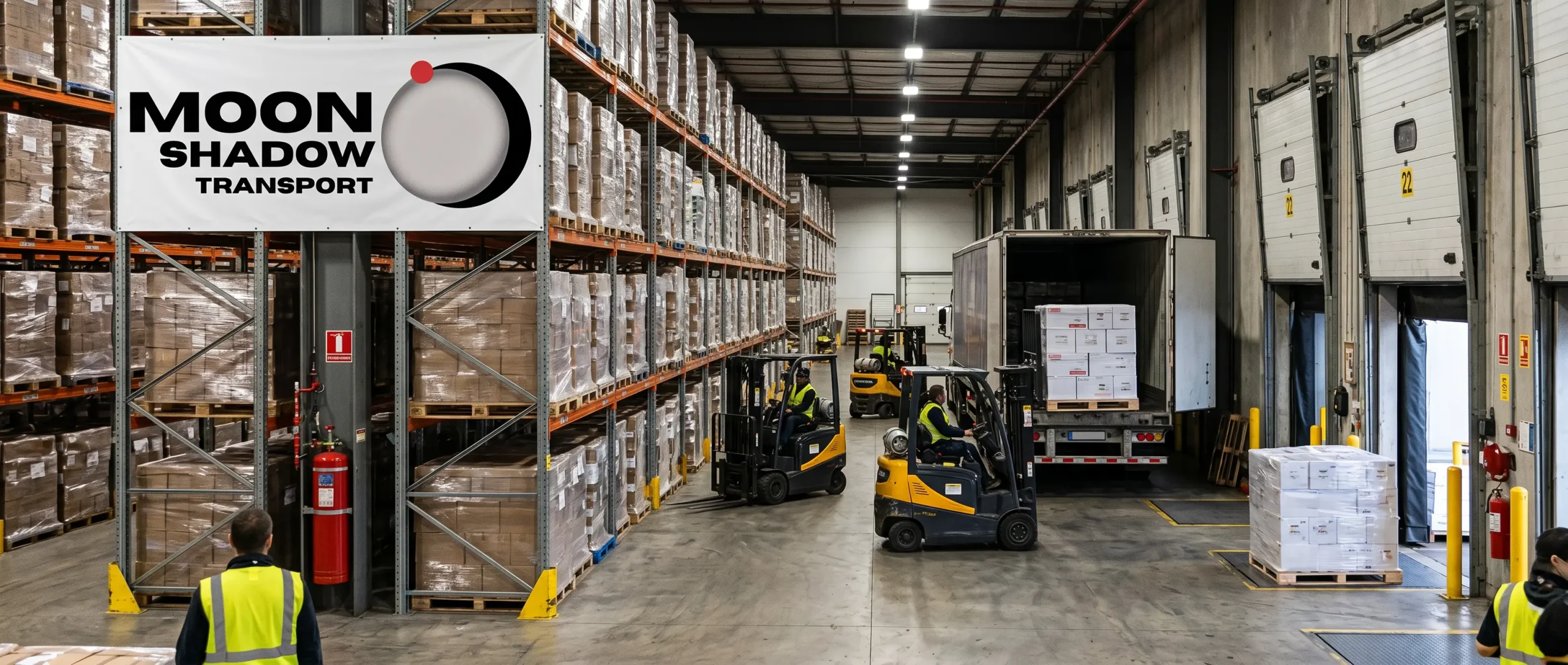
Selecting the right transportation model is one of the most important decisions businesses make when organizing freight operations. Different shipment types, delivery timelines, cargo volumes, and operational goals require different transport strategies.
Providers of freight services for businesses typically offer multiple freight models designed to support varying logistics requirements, including:
- Full truckload shipping
- Less than truckload transport
- Expedited freight services
- Regional distribution systems
- Cross-border transport
- Dedicated freight operations
- Shared freight networks
Businesses moving large shipment volumes or time-sensitive cargo often choose full truckload transport because it provides dedicated trailer capacity and more predictable transit performance.
Companies managing smaller recurring shipments may benefit more from shared freight systems where transportation costs are distributed across multiple shipments.
Expedited freight solutions are commonly used for urgent deliveries requiring faster transit times and priority scheduling coordination.
When evaluating transportation models, businesses typically consider several factors, including:
- Shipment volume and frequency
- Delivery deadlines
- Cargo sensitivity
- Geographic coverage
- Budget requirements
- Inventory management strategy
- Operational scalability
The most effective freight services for businesses are those aligned closely with operational objectives and long-term logistics planning.
Another important consideration is scalability. As businesses grow, transportation systems must adapt efficiently to increasing shipment demand, expanding distribution networks, and changing operational complexity.
Structured freight systems allow organizations to scale cargo movement while maintaining delivery reliability, shipment visibility, and operational control.
Technology also plays a major role in choosing the right freight strategy. Tracking systems, route optimization tools, scheduling platforms, and freight visibility systems help businesses coordinate transportation operations more effectively across all freight models.
As supply chains continue evolving, businesses increasingly depend on flexible and scalable freight services for businesses that support both immediate operational requirements and long-term commercial growth across domestic and international markets.
How Freight Services Support Operations
Freight services for businesses play a direct and essential role in maintaining operational efficiency, inventory flow, customer satisfaction, and overall supply chain stability. In modern commercial environments, transportation systems are deeply connected to daily business performance. Companies depend on organized freight movement to ensure products, materials, and inventory arrive where they are needed without disrupting production schedules, distribution cycles, or customer commitments.
As supply chains become more complex and customer expectations continue increasing, businesses require transportation systems that provide consistency, visibility, and operational flexibility. Structured freight services for businesses help organizations manage these demands by integrating logistics coordination, route planning, shipment tracking, and delivery execution into reliable transport operations.
Efficient freight movement supports nearly every area of business operations. Manufacturing facilities rely on inbound materials arriving on time to avoid production delays. Retail operations depend on consistent inventory replenishment to maintain product availability. Distribution centers require organized transport coordination to keep goods flowing efficiently between warehouses and customers.
Without dependable transportation systems, businesses often experience operational bottlenecks, delayed shipments, rising costs, and reduced customer satisfaction. This is why many organizations invest heavily in scalable and organized freight services for businesses that support long-term operational reliability and supply chain performance.
Improving Inventory Flow and Delivery Performance
One of the most important ways freight services for businesses support operations is by improving inventory flow throughout the supply chain. Efficient transportation systems ensure goods move consistently between suppliers, warehouses, production facilities, and distribution centers without unnecessary delays or interruptions.
Inventory flow directly affects how efficiently a business operates. If shipments arrive late or inconsistently, companies may experience stock shortages, production downtime, delayed customer orders, or excess inventory buildup. Reliable freight systems reduce these risks by maintaining predictable shipment movement and structured delivery coordination.
Providers of freight services for businesses help improve delivery performance through:
- Optimized route planning
- Coordinated scheduling systems
- Shipment tracking and visibility
- Carrier management
- Freight consolidation
- Real-time communication systems
Reliable scheduling is especially important for maintaining operational continuity. Businesses operating under recurring shipment cycles or just-in-time inventory systems require freight movement that aligns closely with operational timelines.
Structured freight services for businesses allow organizations to coordinate:
- Supplier deliveries
- Warehouse replenishment
- Production inventory movement
- Regional distribution cycles
- Customer fulfillment operations
Shipment visibility also plays a major role in improving operational efficiency. Modern transportation systems use tracking technology and communication platforms that allow businesses to monitor freight progress in real time.
This visibility helps companies:
- Anticipate shipment arrivals
- Respond quickly to delays
- Improve inventory planning
- Coordinate warehouse operations
- Maintain customer communication
Freight transport companies supporting freight services for businesses also help reduce operational uncertainty by improving delivery consistency across regional and national transport networks.
As delivery reliability improves, businesses gain stronger operational control, more accurate forecasting capabilities, and greater confidence in supply chain performance.
Logistics for Businesses and Operational Scalability
As companies grow, transportation and logistics requirements become significantly more demanding. Increasing shipment volumes, expanding geographic coverage, and tighter delivery timelines all create additional operational complexity.
To support this growth efficiently, freight services for businesses must provide scalable logistics systems capable of adapting to changing operational requirements without sacrificing delivery reliability or transport efficiency.
Scalable transportation systems allow businesses to expand operations more effectively while maintaining structured freight coordination and consistent cargo movement.
Providers of freight services for businesses support scalability through:
- Flexible transport capacity
- Expanded carrier networks
- Regional and national freight coordination
- Advanced route optimization
- Distribution planning systems
- Integrated shipment visibility tools
As businesses enter new regional markets or increase customer demand, transportation systems must scale alongside operational growth. Structured freight systems allow organizations to increase shipping activity without needing to build large internal logistics infrastructures from scratch.
This scalability becomes especially valuable for businesses experiencing:
- Rapid operational growth
- Seasonal shipment increases
- Expanding distribution networks
- Growing customer demand
- Increased inventory movement
- Multi-location operations
Another important advantage of scalable freight services for businesses is operational flexibility. Businesses can adapt to fluctuating shipment demand more efficiently while maintaining delivery performance and transportation cost control.
Modern logistics technology also strengthens operational scalability. Tracking systems, scheduling platforms, route optimization tools, and freight coordination software help businesses manage increasingly complex transportation operations with greater accuracy and efficiency.
As supply chains continue evolving, scalable transportation systems become critical for maintaining long-term operational performance and competitive business growth.
Reducing Delays and Transportation Inefficiencies
Transportation delays and logistics inefficiencies can significantly disrupt business operations. Missed deliveries, poor route planning, inconsistent scheduling, or communication breakdowns often lead to inventory shortages, production interruptions, delayed customer orders, and increased operational costs.
Providers of freight services for businesses help reduce these risks by implementing structured logistics coordination systems designed to improve shipment efficiency and maintain delivery consistency across commercial transport networks.
Optimized routing is one of the primary ways transportation inefficiencies are reduced. Efficient route planning minimizes unnecessary mileage, reduces fuel consumption, and shortens transit times while improving overall delivery reliability.
Structured scheduling systems also help businesses maintain more predictable freight movement by coordinating:
- Pickup timing
- Delivery windows
- Carrier availability
- Freight consolidation
- Distribution sequencing
Real-time communication systems further improve operational efficiency within freight services for businesses. Shipment monitoring platforms allow logistics teams to identify delays quickly, communicate updates effectively, and adjust transportation plans proactively when disruptions occur.
Cross-border freight operations introduce additional complexity because shipments must comply with customs regulations, documentation requirements, and international transport procedures.
Cross-border freight services for businesses improve operational efficiency by managing:
- Customs coordination
- Regulatory compliance
- Freight documentation
- Border scheduling
- International shipment tracking
By proactively managing these processes, transportation providers help businesses reduce delays associated with inspections, incomplete paperwork, or customs processing issues.
Another important operational advantage is reduced supply chain variability. Consistent freight coordination helps businesses maintain stable delivery cycles and minimize unexpected disruptions that affect inventory flow or customer fulfillment operations.
Industries relying heavily on efficient freight services for businesses include:
- Manufacturing
- Retail distribution
- Construction
- Industrial supply chains
- Agriculture
- Warehousing and logistics
- E-commerce operations
As transportation demands continue increasing and supply chains become more interconnected, businesses increasingly depend on organized freight systems that combine operational visibility, logistics coordination, scalable transport capacity, and delivery reliability into one integrated transportation strategy.
By improving inventory flow, supporting operational scalability, and reducing transportation inefficiencies, freight services for businesses play a critical role in maintaining efficient commercial operations and long-term supply chain success.
Choosing the Right Freight Partner
Selecting the right provider of freight services for businesses is one of the most important decisions organizations make when building reliable and scalable supply chain operations. Freight transportation affects nearly every stage of business performance, including inventory flow, production continuity, customer fulfillment, operational efficiency, and long-term growth. A strong transportation partner does far more than simply move cargo from one location to another—it becomes an integrated part of the business’s logistics strategy and operational infrastructure.
As supply chains become increasingly complex and customer expectations continue rising, businesses require transportation providers capable of delivering consistent performance across regional, national, and cross-border operations. Reliable freight services for businesses help organizations maintain stable delivery schedules, improve operational visibility, reduce transportation disruptions, and adapt to changing shipment demands more efficiently.
Choosing the wrong transportation provider can create operational instability, inconsistent delivery performance, inventory shortages, customer dissatisfaction, and rising logistics costs. For this reason, businesses should evaluate freight partners not only on pricing, but also on reliability, communication, scalability, technology integration, and long-term operational alignment.
Modern transportation partnerships are increasingly strategic in nature. Businesses that work with experienced providers of freight services for businesses gain access to logistics expertise, structured transportation systems, optimized freight coordination, and scalable delivery networks that support long-term operational success.
Evaluating Reliability and Service Capability
Reliability is one of the most critical factors when selecting providers of freight services for businesses. Consistent delivery performance directly impacts production schedules, warehouse operations, customer fulfillment, and inventory management across the supply chain.
Reliable freight transport companies maintain organized scheduling systems, disciplined operational processes, and structured route coordination that help shipments move predictably across transport networks.
When evaluating transportation providers, businesses should assess several operational areas, including:
- Delivery consistency
- Safety standards and compliance practices
- Geographic coverage
- Fleet and carrier capacity
- Experience handling specific freight types
- Shipment visibility systems
- Scheduling accuracy
- Response to operational disruptions
Experienced providers of freight services for businesses understand how to manage changing shipment conditions, fluctuating demand, and regional logistics challenges while maintaining reliable cargo movement.
Geographic coverage is another important consideration. Businesses operating regionally may require transportation partners with strong local route familiarity, while organizations shipping nationally or internationally need providers capable of coordinating larger freight networks efficiently.
Service capability should also align with the specific operational requirements of the business. Some organizations require recurring palletized freight movement, while others depend on full truckload shipping, less than truckload transport, expedited delivery, or cross-border logistics coordination.
Effective freight services for businesses should support:
- Shipment volume requirements
- Delivery timeline expectations
- Freight handling specifications
- Regional or national distribution goals
- Seasonal shipping fluctuations
- Long-term operational scalability
Another key factor is operational flexibility. Transportation providers should be capable of adapting to changing freight demands without compromising delivery performance or communication quality.
Businesses that carefully evaluate service reliability and logistics capability are more likely to establish transportation systems that support long-term operational stability and supply chain efficiency.
Commercial Freight Services Built for Growing and Scalable Businesses class=”ms-cta-em”>
Let’s keep it simple:
You might also like..
Technology, Communication, and Logistics Coordination
Modern freight services for businesses rely heavily on technology, shipment visibility, and communication systems to maintain efficient logistics coordination across increasingly complex supply chains.
Transportation operations today require more than physical cargo movement. Businesses expect real-time shipment visibility, accurate scheduling updates, responsive communication, and proactive issue management throughout the freight process.
Providers of freight services for businesses that invest in modern logistics technology help organizations maintain stronger operational control and reduce uncertainty across transport operations.
Important technology and communication capabilities include:
- Real-time shipment tracking
- Route monitoring systems
- Delivery notifications and updates
- Scheduling coordination platforms
- Freight visibility dashboards
- Electronic documentation systems
- Customer support responsiveness
Shipment visibility is especially important for businesses managing inventory-sensitive or time-critical operations. Tracking systems allow companies to monitor freight movement in real time, anticipate delivery timelines, and respond quickly to operational disruptions when necessary.
Strong communication systems also improve coordination between:
- Suppliers
- Warehouses
- Distribution centers
- Transportation providers
- Customers
- Internal logistics teams
This level of coordination reduces confusion, minimizes delays, and strengthens overall supply chain performance.
Cross-border operations introduce additional logistics complexity. Providers offering international freight services for businesses must coordinate customs documentation, regulatory compliance, border scheduling, and communication between multiple agencies and operational stakeholders.
Efficient cross-border freight systems require:
- Customs coordination expertise
- Accurate documentation management
- Compliance monitoring
- International shipment visibility
- Border scheduling optimization
Transportation providers with strong coordination systems help businesses reduce border delays, improve international delivery performance, and maintain stable freight movement across Canada–USA shipping corridors.
Technology also supports scalability. As businesses grow and shipment volumes increase, integrated logistics systems allow transportation operations to expand more efficiently while maintaining delivery consistency and operational visibility.
Long-Term Value of Strategic Freight Partnerships
Long-term transportation partnerships create significant operational advantages for businesses managing ongoing freight movement and expanding supply chain operations. Providers of freight services for businesses become more valuable over time as they gain deeper understanding of operational requirements, shipment patterns, delivery expectations, and business growth objectives.
Strategic freight partnerships help organizations improve:
- Delivery consistency
- Transportation scalability
- Cost control
- Inventory flow
- Supply chain coordination
- Operational planning accuracy
One major advantage of long-term freight relationships is operational familiarity. Transportation providers that regularly support the same business operations can optimize routing, scheduling, freight handling, and delivery coordination more effectively over time.
This familiarity improves efficiency and reduces operational disruptions across recurring shipment cycles.
Long-term providers of freight services for businesses can also help organizations plan for future growth by scaling transportation systems alongside operational expansion. As shipment volume increases or businesses enter new markets, structured freight systems can adapt more efficiently when supported by experienced logistics partners.
Cost management is another important long-term benefit. Strategic freight partnerships often improve pricing consistency, transportation efficiency, and route optimization while reducing the operational risks associated with constantly changing providers.
Another critical advantage is improved problem resolution. Experienced transportation partners understand the business’s operational priorities and can respond more effectively to unexpected disruptions, urgent freight needs, or changing delivery conditions.
Businesses that integrate freight services for businesses into broader logistics strategy and growth planning gain stronger operational control and long-term supply chain stability.
As commercial transportation continues evolving, organizations increasingly depend on transportation partners that combine logistics expertise, scalable freight systems, operational visibility, communication strength, and delivery reliability into a fully integrated transportation solution.
By selecting experienced providers of freight services for businesses, companies position themselves to maintain efficient freight movement, improve supply chain performance, and support sustainable long-term operational growth across increasingly competitive commercial markets.
Request Business Freight Services
Engaging professional freight services for businesses begins with organized operational planning, accurate shipment information, and clear logistics requirements. In modern supply chains, efficient transportation coordination is essential for maintaining delivery consistency, inventory flow, and operational stability across regional, national, and cross-border distribution networks.
Businesses that prepare freight requirements early often experience stronger scheduling accuracy, more predictable transportation costs, and improved overall logistics performance. Structured planning allows transportation providers to coordinate routes, allocate equipment, optimize carrier capacity, and manage shipment timelines more efficiently.
As commercial operations grow and supply chains become more complex, reliable freight services for businesses help organizations maintain scalable transportation systems capable of adapting to changing shipment demand and evolving operational requirements.
When Businesses Should Outsource Freight Operations
Many companies begin outsourcing transportation operations when internal logistics systems become difficult to manage efficiently. As shipment volumes increase, delivery regions expand, and customer expectations rise, freight coordination often requires more advanced infrastructure, planning systems, and operational oversight than internal teams can support effectively.
Businesses commonly rely on external freight services for businesses when managing:
- Growing shipment volumes
- Expanding regional distribution networks
- National freight operations
- Cross-border shipping requirements
- Time-sensitive delivery schedules
- Recurring commercial freight movement
- Multi-location inventory distribution
Instead of investing heavily in internal fleet management, dispatch operations, equipment acquisition, and transportation staffing, businesses can access established logistics infrastructure and operational expertise through experienced transportation providers.
Providers of freight services for businesses offer organized transportation systems that already include:
- Carrier coordination networks
- Freight scheduling systems
- Route optimization tools
- Shipment visibility platforms
- Cross-border logistics support
- Regional and national delivery infrastructure
This allows organizations to scale transportation operations more efficiently while focusing internal resources on core business activities such as production, inventory management, customer service, sales, and operational growth.
Outsourcing freight operations also improves operational flexibility. Businesses can adapt more effectively to changing shipment demand, seasonal freight increases, and expanding customer distribution requirements without overextending internal logistics resources.
Commercial transportation support becomes especially valuable for businesses managing:
- Regional freight distribution
- Nationwide commercial shipping
- Canada–USA cross-border freight movement
- Warehouse replenishment systems
- Recurring inventory transport cycles
As logistics complexity increases, professional freight services for businesses help organizations maintain delivery consistency while reducing operational strain across supply chain operations.
Information Required for Accurate Freight Planning and Quotes
Accurate transportation planning is one of the most important components of effective freight services for businesses. Efficient logistics coordination depends heavily on complete and detailed shipment information provided before freight movement begins.
Without accurate operational data, transportation planning becomes less efficient, route coordination may suffer, equipment allocation can become inaccurate, and unexpected operational costs may arise during shipment execution.
To create accurate freight quotes and optimized transportation plans, providers of freight services for businesses typically require several key operational details, including:
- Cargo type and freight classification
- Shipment dimensions and total weight
- Pickup and delivery locations
- Shipment frequency and volume
- Required delivery timelines
- Special handling instructions
- Equipment requirements
- Cross-border customs information when applicable
Cargo specifications are especially important because different freight types may require different transportation methods, trailer configurations, handling procedures, or regulatory coordination.
Detailed shipment information allows providers of freight services for businesses to:
- Optimize routing efficiency
- Allocate proper equipment
- Coordinate carrier availability
- Improve scheduling precision
- Reduce transit delays
- Maintain cost stability
For cross-border operations, additional customs and regulatory information may also be necessary. International freight movement often requires customs documentation, freight classification details, import/export coordination, and compliance management.
Providing complete information early in the planning process helps transportation providers maintain efficient cargo movement while reducing the likelihood of delays, scheduling conflicts, or operational disruptions.
Accurate freight planning also strengthens communication throughout the supply chain. Clear operational details allow carriers, warehouses, dispatch teams, suppliers, and receiving facilities to coordinate more effectively around shipment timing and delivery expectations.
As transportation operations scale, organized planning becomes increasingly important for maintaining reliable freight services for businesses across evolving commercial logistics networks.
Frequently Asked Questions (FAQs)
What freight services do businesses typically need?
Businesses commonly rely on freight services for businesses that include freight transportation, logistics coordination, warehousing support, regional distribution, national shipping, and cross-border freight solutions.
How do freight services support business operations?
Structured freight services for businesses improve inventory flow, maintain delivery schedules, reduce operational disruptions, and support efficient supply chain coordination.
What is the difference between domestic and cross-border freight?
Domestic freight operates within a single country, while cross-border freight involves international shipping, customs clearance, and regulatory compliance between countries.
How do companies choose freight service providers?
Businesses evaluate providers of freight services for businesses based on reliability, communication systems, logistics expertise, geographic coverage, operational scalability, and delivery performance.
When should businesses outsource freight operations?
Organizations often outsource transportation when shipment demand increases, delivery operations expand, or logistics coordination becomes too complex to manage internally.
Efficient freight operations are essential for businesses that depend on consistent inventory movement, reliable delivery schedules, and scalable logistics coordination across Canada and the United States.
Whether you're managing regional distribution, national shipping, or cross-border freight operations, working with the right transportation partner helps improve operational efficiency and long-term supply chain performance.
Connect with our team to explore freight solutions tailored to your business operations.

Conclusion
Freight services for businesses provide the transportation structure, logistics coordination, and operational scalability organizations need to maintain efficient supply chain performance across Canada and the United States.
By combining organized freight movement, scalable transportation systems, shipment visibility, and reliable logistics coordination, businesses can improve delivery consistency, reduce operational inefficiencies, and strengthen long-term supply chain stability.
As commercial operations continue expanding and transportation requirements become more demanding, experienced providers of freight services for businesses help organizations maintain operational flexibility, delivery reliability, and scalable logistics performance across increasingly complex transportation networks.
For businesses seeking long-term efficiency, stable freight coordination, and sustainable operational growth, partnering with trusted providers of freight services for businesses represents a strategic investment in reliable transportation infrastructure and future supply chain success.






No comment