
Freight Broker Alternatives in Canada
Introduction
Businesses moving commercial freight across Canada have several ways to organize transportation. Traditional freight brokers are one option, but they are not the only model available. Direct carrier relationships, asset-based transportation providers, dedicated freight services, logistics companies, transportation management partners, and digital freight platforms can all provide different approaches to moving cargo.
Interest in Freight Broker Alternatives Canada often begins when a business wants greater visibility into freight movement, more direct operational communication, consistent transportation capacity, or a long-term relationship with the team responsible for coordinating pickup and delivery.
The right transportation model depends on how a business ships. A company moving freight occasionally across changing routes may have very different requirements from a manufacturer managing recurring truckloads, a distributor operating regular freight lanes, or an industrial business requiring specialized equipment.
Transportation planning insight: A freight broker alternative is not automatically better for every shipment. The practical goal is to choose a transportation structure that matches freight volume, route consistency, equipment requirements, communication expectations, and the level of operational control a business needs.
Understanding Freight Broker Alternatives Canada helps businesses compare more than freight rates. Carrier access, dispatch coordination, equipment capability, service coverage, shipment visibility, and long-term transportation reliability all influence whether a direct carrier, broker, logistics provider, or digital freight network is the right fit.
This guide explores the most common freight broker alternatives, compares direct carriers with traditional brokerage models, and explains how businesses can choose a smarter transportation structure for recurring, specialized, regional, Canada-wide, and cross-border freight.
What Are Freight Broker Alternatives?

Canada’s freight transportation sector includes several distinct transportation arrangement models rather than a single brokerage structure. Statistics Canada has identified customs brokers, freight forwarders, and third-party logistics providers as separate types of freight transportation arrangement businesses, while also distinguishing companies based on whether they own transportation assets such as trucks. This distinction reinforces why businesses comparing freight broker alternatives should evaluate both the provider’s operational role and its level of direct control over transportation resources.
Freight broker alternatives are transportation models that allow businesses to organize commercial freight without relying exclusively on a traditional brokerage arrangement. These alternatives may include direct carrier relationships, asset-based trucking companies, dedicated freight providers, transportation management companies, logistics teams, and technology-based freight networks.
Businesses researching Freight Broker Alternatives Canada are often trying to identify a transportation structure that provides the right balance of capacity, communication, operational visibility, and service consistency. The best option depends on how frequently freight moves, the lanes a business uses, the equipment required, and how closely the shipper wants to work with transportation operations.
Direct carrier perspective: The main advantage of a direct relationship is often the shorter operational communication path. The shipper can coordinate freight requirements with the transportation team managing active equipment, drivers, dispatch schedules, and delivery execution.
Asset-Based Freight Providers
Asset-based freight providers are one of the most important Freight Broker Alternatives Canada businesses may consider when they need more direct transportation control. These providers own or directly manage freight equipment such as trucks, trailers, and other cargo-moving assets used to transport commercial shipments.
Depending on the carrier, asset-based operations may support dry van freight, flatbed transportation, dedicated truckload services, specialized cargo, regional freight, or other commercial shipping requirements. For companies comparing Freight Broker Alternatives Canada, this model can be valuable because the transportation provider has direct visibility into at least part of its own fleet, equipment availability, and operational capacity.
An asset-based carrier can evaluate whether available trucks, trailers, drivers, and routes match a shipment’s freight type, delivery timeline, and service requirements. This may create more direct communication between the shipper and the transportation team responsible for moving the load.
However, fleet ownership alone does not guarantee strong service quality. When reviewing Freight Broker Alternatives Canada, businesses should still evaluate dispatch strength, equipment condition, safety practices, route coverage, maintenance standards, driver reliability, and communication quality.
A strong asset-based provider can offer consistency, but the best results come when fleet capacity is supported by disciplined operations and clear freight coordination.

Logistics and Transportation Management Companies
Logistics and transportation management companies are another major category of Freight Broker Alternatives Canada for businesses that need broader freight coordination beyond a single truck movement. These providers may support carrier coordination, shipment planning, route management, freight scheduling, transportation visibility, and broader supply chain logistics.
This model can be useful for companies managing multiple freight lanes, different shipment types, recurring deliveries, or transportation requirements that cannot always be handled by one carrier or equipment category.
Among Freight Broker Alternatives Canada, logistics and transportation management providers offer a wider coordination layer. They help businesses organize freight movement, compare service options, manage scheduling, and improve visibility across transportation activity.
Still, businesses should review how these providers select carriers, how shipment updates are communicated, and who is responsible for resolving operational issues if delays or service problems occur. A logistics provider can add value, but accountability and communication remain essential.
For businesses evaluating Freight Broker Alternatives Canada, transportation management companies may provide a flexible option when freight needs are complex, variable, or spread across multiple regions.
Freight Broker vs Direct Carrier: What Is the Difference?
The difference between a freight broker and a direct carrier is one of the most important points to understand when comparing Freight Broker Alternatives Canada. A freight broker primarily acts as an intermediary, connecting shippers with carriers that have available capacity. A direct carrier, on the other hand, physically moves the freight using its own trucks, trailers, drivers, and operational resources.
For businesses reviewing Freight Broker Alternatives Canada, this distinction can affect communication, shipment visibility, equipment access, pricing structure, and how transportation issues are managed during freight movement.
A broker may be useful when a business needs access to a broad carrier network, especially across changing lanes or unfamiliar regions. A direct carrier may be more suitable when a business has recurring freight, consistent lanes, or specific service expectations that benefit from direct operational familiarity.
Understanding both models helps businesses choose the transportation relationship that best fits their shipment volume, delivery expectations, and long-term logistics strategy.
How Freight Brokers Coordinate Shipments
Freight brokers coordinate shipments by acting as a connection point between businesses that need freight moved and carriers that have available capacity. After reviewing shipment details, a broker may identify a suitable carrier, coordinate pricing, share load information, and support communication between the shipper and the transportation provider.
This model can be useful when shipment lanes change frequently, freight demand is irregular, or a business does not already have a direct relationship with carriers serving a specific route.
However, when comparing Freight Broker Alternatives Canada, businesses should understand that brokers generally do not operate the trucks themselves. Their value comes from coordination, carrier access, and market knowledge rather than direct control over transportation assets.
Because of this, communication quality and carrier selection standards become very important. Businesses using brokers should understand how carriers are vetted, how shipment updates are handled, and how problems are resolved if delays occur.
How Direct Carriers Move Freight
A direct carrier is responsible for the physical movement of freight using its own transportation resources. This includes trucks, trailers, drivers, dispatch teams, and fleet operations. For many businesses comparing Freight Broker Alternatives Canada, working directly with a carrier can provide clearer communication and stronger operational familiarity.
When working with a direct carrier, the shipper coordinates pickup requirements, equipment needs, delivery schedules, and shipment updates directly with the company responsible for transporting the load.
For recurring lanes and consistent freight demand, this relationship can become especially valuable. Dispatch teams may become familiar with regular facilities, loading procedures, receiving windows, freight characteristics, and customer expectations.
Among Freight Broker Alternatives Canada, direct carriers are often preferred when businesses want more direct operational contact, consistent service patterns, and stronger visibility into how freight is being moved.
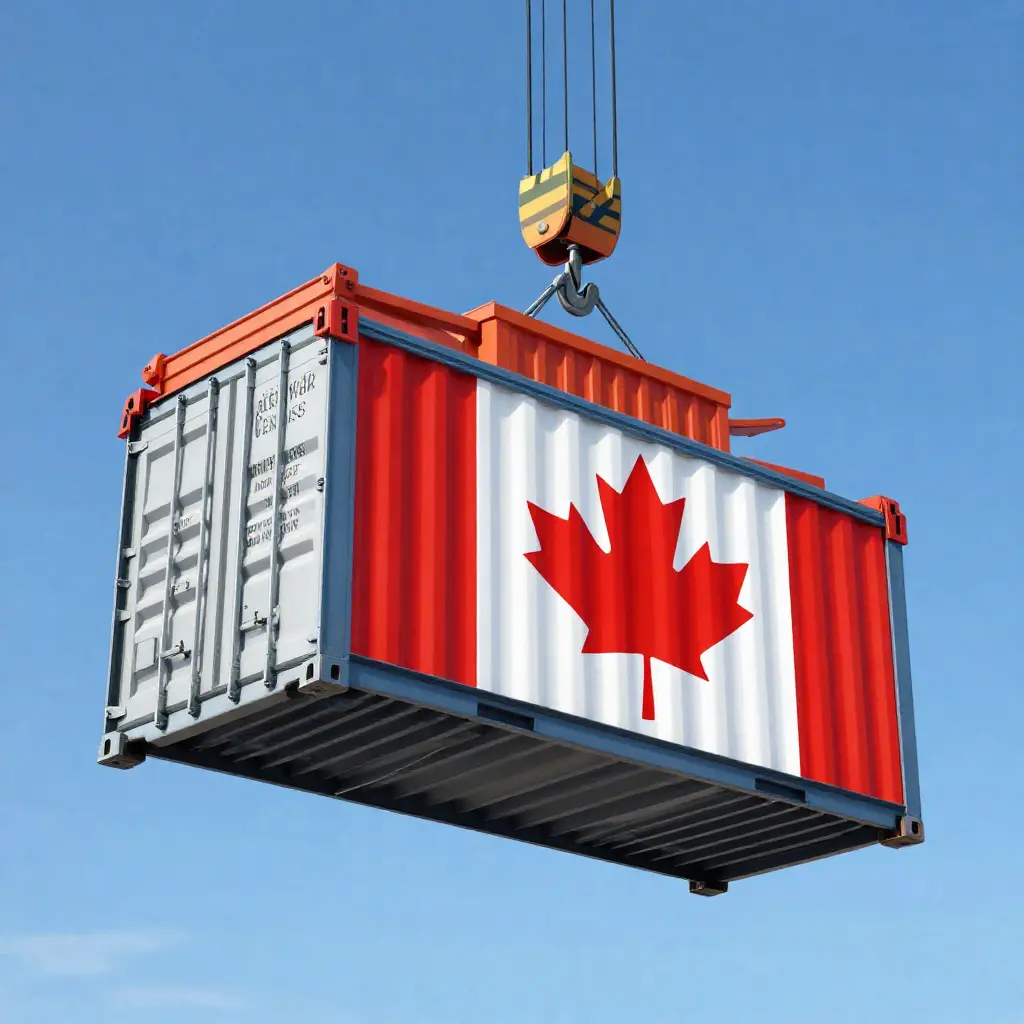
Ultimately, the right choice depends on the business’s freight profile. Some companies benefit from broker flexibility, while others gain more value from direct carrier relationships or logistics management providers. A clear understanding of Freight Broker Alternatives Canada helps businesses build a freight strategy that supports reliability, communication, and long-term transportation performance.
Freight Broker
Coordinates transportation between the shipper and available carriers.
May provide access to a broader network of transportation providers.
Can be practical for changing routes, irregular demand, and one-off freight requirements.
Direct Freight Carrier
Operates the transportation resources responsible for moving the freight.
Creates a more direct communication path with dispatch and carrier operations.
Can be practical for recurring lanes, consistent freight volumes, and long-term transportation relationships.
Visibility, Communication, and Accountability Differences
Visibility, communication, and accountability are some of the most important factors businesses should review when comparing transportation models and evaluating Freight Broker Alternatives Canada. The way shipment information moves between parties can directly affect delivery confidence, response time, and overall freight reliability.
In a brokerage model, communication may pass through several layers. Shipment updates can move from the carrier to the broker, then from the broker to the shipper. In some cases, information may also involve the carrier operations team, dispatch staff, the driver, and the receiving location. This structure can work well when communication is managed carefully, but it also creates more points where updates may become delayed, incomplete, or unclear.
With a direct freight carrier relationship, the shipper may communicate more directly with the dispatch or operations team responsible for managing the truck, trailer, and driver. Among Freight Broker Alternatives Canada, this direct communication path can be valuable for businesses that require faster updates, tighter scheduling control, or more immediate visibility into pickup and delivery conditions.
Direct carrier communication may help businesses review:
- Pickup readiness
- Driver status
- Schedule changes
- Loading or receiving issues
- Equipment availability
However, accountability should still be evaluated carefully in every model. Even when businesses compare Freight Broker Alternatives Canada, the key question is not only who arranges the shipment, but who is responsible for communication when something changes.
When Each Model Makes Sense
Different transportation models make sense for different freight situations. There is no single structure that works for every business, shipment, or route. When evaluating Freight Broker Alternatives Canada, businesses should compare each option against their actual freight volume, service area, cargo type, delivery timelines, and communication expectations.
Freight brokers may be useful for businesses with irregular shipment volumes, changing freight lanes, seasonal demand, or temporary capacity requirements. Because brokers can access multiple carriers, they may provide flexibility when transportation needs are difficult to predict or when a business does not already have direct relationships with carriers in a specific market.
Direct carriers may be a stronger option when businesses move freight consistently across established routes, require dedicated equipment, value direct dispatch communication, or want to develop a long-term transportation relationship. Among Freight Broker Alternatives Canada, direct carrier relationships can offer more operational familiarity over time, especially when shipments involve recurring lanes, repeat facilities, predictable cargo types, or specific service expectations.
Logistics and transportation management providers may also make sense when businesses need broader coordination across multiple carriers, freight types, or service regions. This option can provide a structured logistics layer without relying entirely on one carrier or one equipment category.
The best choice depends on the shipment profile. Businesses reviewing Freight Broker Alternatives Canada should consider:
- Shipment frequency
- Route consistency
- Freight volume
- Equipment requirements
- Communication needs
- Service expectations
- Long-term growth plans
- Risk tolerance
Ultimately, evaluating Freight Broker Alternatives Canada helps businesses choose a transportation structure that supports reliability, visibility, communication clarity, and long-term freight performance.

Frequently Asked Questions About Freight Broker Alternatives in Canada
What are freight broker alternatives in Canada?
Freight broker alternatives include direct freight carriers, asset-based trucking companies, dedicated freight carriers, logistics providers, transportation management companies, freight marketplaces, carrier network platforms, and in-house shipping or dispatch operations. Each model provides a different level of transportation control, carrier access, and operational involvement.
Is working directly with a carrier better than using a freight broker?
Working directly with a carrier may improve communication, operational visibility, and familiarity with recurring freight requirements. A freight broker may be more practical when a business needs access to broader carrier capacity, changing routes, or transportation support for irregular shipment demand.
What is the difference between a freight broker and a carrier?
A freight broker coordinates transportation by connecting a shipper with available carriers. A freight carrier operates the trucks, trailers, drivers, and transportation resources used to physically move the shipment. The communication and operational structure can therefore differ between the two models.
What is an asset-based carrier?
An asset-based carrier is a transportation company that owns or controls trucks, trailers, drivers, or other freight-moving resources. Working with an asset-based carrier Canada provider may give shippers a more direct connection to operational capacity, although fleet capability, dispatch performance, and service coverage should still be evaluated.
When should a business consider an alternative to a freight broker?
A business may explore freight broker alternatives when it has recurring freight lanes, predictable shipment volumes, dedicated capacity requirements, specialized equipment needs, or a preference for direct dispatch communication. The decision should be based on actual transportation requirements rather than the assumption that one model is always better.
Are freight marketplaces alternatives to brokers?
Yes. A freight marketplace Canada platform or freight matching service can digitally connect shipment requirements with available transportation capacity. However, carrier screening, shipment support, communication, and accountability may vary, so businesses should review how the platform manages active freight.
Can logistics companies replace freight brokers?
In some transportation structures, yes. Logistics companies Canada may provide carrier coordination, route planning, freight scheduling, transportation visibility, and broader supply chain logistics Canada support. Their role can extend beyond arranging a single shipment, depending on the provider and service model.
What is the best freight broker alternative for recurring shipments?
For recurring shipments, a direct freight carrier Canada relationship, dedicated freight carrier, or transportation management partner may provide greater consistency. The best option depends on shipment frequency, lane stability, equipment requirements, freight volume, and the level of operational coordination the business needs.
Can direct carriers handle LTL, FTL, and cross-border freight?
Some direct carriers support multiple freight services, including LTL shipping, FTL truckload transportation, regional freight, and Canada-USA cross-border routes. Service capability depends on the carrier’s fleet, operating network, equipment, licenses, and transportation coverage.
Are direct freight carriers always more cost-effective?
Not always. A cost-effective freight carrier Canada option depends on the route, freight type, equipment requirements, shipment frequency, available capacity, and service expectations. Businesses should compare total transportation value, including reliability and communication, rather than evaluating the line-haul rate alone.
Your business does not need the same transportation structure for every shipment. If recurring freight lanes, direct dispatch communication, equipment availability, or greater operational visibility are becoming priorities, it may be time to explore a more direct freight relationship.
Connect with our transportation team to discuss your routes, shipment volume, and freight requirements—and discover whether a direct carrier solution is the right fit for your operations.
Conclusion
Freight Broker Alternatives Canada give businesses several ways to structure commercial freight transportation beyond a traditional brokerage relationship. Direct freight carriers, asset-based providers, dedicated carriers, transportation management companies, freight marketplaces, carrier network platforms, and internal dispatch teams can each support different shipping requirements.
When comparing a carrier vs freight broker, cost should not be the only consideration. Communication structure, shipment visibility, equipment capability, route coverage, dispatch coordination, accountability, and service consistency can all influence the real performance of commercial freight services.
Businesses evaluating Freight Broker Alternatives Canada should compare transportation providers against their freight volume, lane requirements, cargo characteristics, delivery priorities, and long-term supply chain goals. A well-matched transportation relationship can reduce communication hand-offs, improve freight planning, and create a more dependable structure for regional, Canada-wide, specialized, and cross-border shipping.






No comment