
Introduction
Refrigerated Reefer Freight Canada is an essential component of modern supply chains, supporting the safe transportation of products that require carefully controlled environmental conditions throughout transit. Fresh produce, frozen foods, pharmaceuticals, medical supplies, dairy products, seafood, floral products, and many other temperature-sensitive goods depend on specialized refrigerated transportation systems to preserve quality, safety, and regulatory compliance.
Unlike conventional dry van transportation, reefer freight Canada utilizes insulated trailers equipped with refrigeration units capable of maintaining precise temperatures regardless of external weather conditions. These systems allow carriers to transport sensitive cargo across local routes, regional distribution networks, nationwide freight corridors, and cross-border transportation lanes connecting Canada and the United States.
Maintaining a stable cold chain requires much more than simply lowering the temperature inside a trailer. Successful Refrigerated Reefer Freight Canada operations rely on continuous temperature monitoring, efficient airflow management, specialized loading procedures, preventive maintenance programs, electronic documentation, and constant communication between shippers, dispatchers, drivers, warehouses, and customers.
As Canadian industries continue to expand their reliance on just-in-time inventory management and highly specialized supply chains, the importance of dependable temperature-controlled freight transportation continues to grow. Organizations increasingly depend upon experienced transportation providers that understand regulatory requirements, food safety standards, cold chain logistics, and the operational complexities associated with transporting sensitive products over long distances.
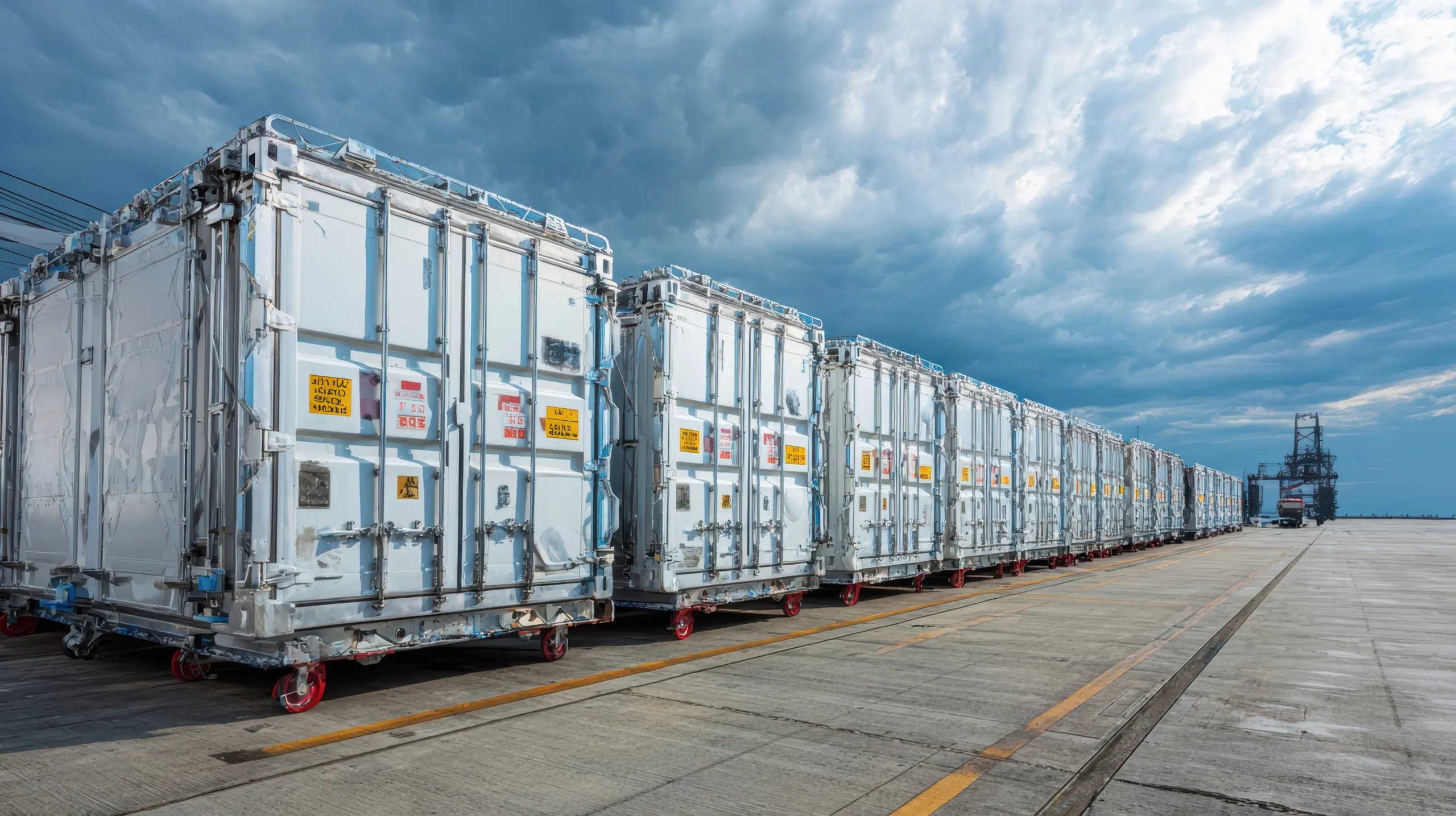
Cold Chain Insight: The effectiveness of Refrigerated Reefer Freight Canada depends on maintaining uninterrupted environmental control throughout every stage of transportation. Even brief temperature fluctuations may affect product quality, safety, shelf life, and regulatory compliance.
Businesses choosing refrigerated transportation providers should evaluate equipment quality, monitoring technology, maintenance procedures, cross-border experience, communication practices, and emergency response capabilities. A reliable carrier protects not only the freight itself but also the integrity of the entire supply chain.
This guide explores every major aspect of Refrigerated Reefer Freight Canada, including reefer equipment, temperature management, industry applications, cold chain logistics, regulatory compliance, transportation technology, and the best practices organizations use to protect temperature-sensitive freight across Canada.
What Is Refrigerated Reefer Freight?

Refrigerated Reefer Freight Canada refers to commercial transportation services that use temperature-controlled trailers designed to maintain specific environmental conditions during transit. These trailers, commonly called reefer trailers, allow businesses to move products safely while minimizing the risks associated with temperature fluctuations, humidity changes, and extended transportation times.
Ready to Ship With Confidence?
Tell us a few details and we'll recommend the most efficient shipping option.
Get Your Freight Quote
Cold chain logistics Canada supports a wide range of industries that rely on precise environmental controls to protect the quality and effectiveness of their products. Whether transporting frozen foods, fresh produce, pharmaceutical products, or laboratory materials, refrigerated transportation plays a vital role in maintaining product integrity throughout the shipping process.
| Transportation Type | Temperature Control | Common Cargo |
|---|---|---|
| Frozen Freight | Below freezing | Frozen food products and seafood |
| Chilled Freight | Refrigerated range | Fresh produce and dairy products |
| Climate-Controlled Freight | Controlled environmental range | Pharmaceutical and medical products |
| Heat-Protected Freight | Protection from extreme conditions | Sensitive chemicals and specialty products |
Understanding Temperature-Controlled Transportation
Temperature-controlled transportation is a specialized form of freight movement designed to maintain specific environmental conditions throughout the entire shipment lifecycle. From initial loading and departure to highway transit, temporary stops, and final delivery, Refrigerated Reefer Freight Canada requires consistent temperature management to protect products that may be sensitive to heat, freezing conditions, humidity changes, or prolonged exposure to unsuitable environments.
Unlike conventional dry freight transportation, Refrigerated Reefer Freight Canada depends on specialized trailers, refrigeration equipment, insulated cargo environments, trained drivers, monitoring technologies, and carefully coordinated operating procedures. Every stage must work together because temperature-sensitive freight can lose quality or become unsuitable for use when required conditions are not maintained.
Different products also require different transportation strategies. Frozen foods, fresh produce, dairy products, beverages, pharmaceuticals, and other temperature-sensitive commodities may each have specific temperature ranges, handling procedures, loading requirements, and delivery expectations. Providers of Refrigerated Reefer Freight Canada therefore need to understand the characteristics of the cargo before transportation begins.
Pre-trip planning is particularly important. Transportation teams may review required temperature settings, transit distance, delivery windows, trailer condition, refrigeration unit performance, loading procedures, and monitoring requirements before the shipment is released. This preparation helps reduce the risk of temperature fluctuations or operational disruptions during transit.
Because Canada has significant seasonal temperature variations and long transportation distances, Refrigerated Reefer Freight Canada also requires careful route and equipment planning. Extremely cold winter conditions, summer heat, traffic disruptions, and extended regional routes can all influence refrigerated transportation operations.
As a result, reliable Refrigerated Reefer Freight Canada combines specialized equipment with disciplined planning, monitoring, communication, and cargo handling to maintain appropriate conditions throughout transportation.
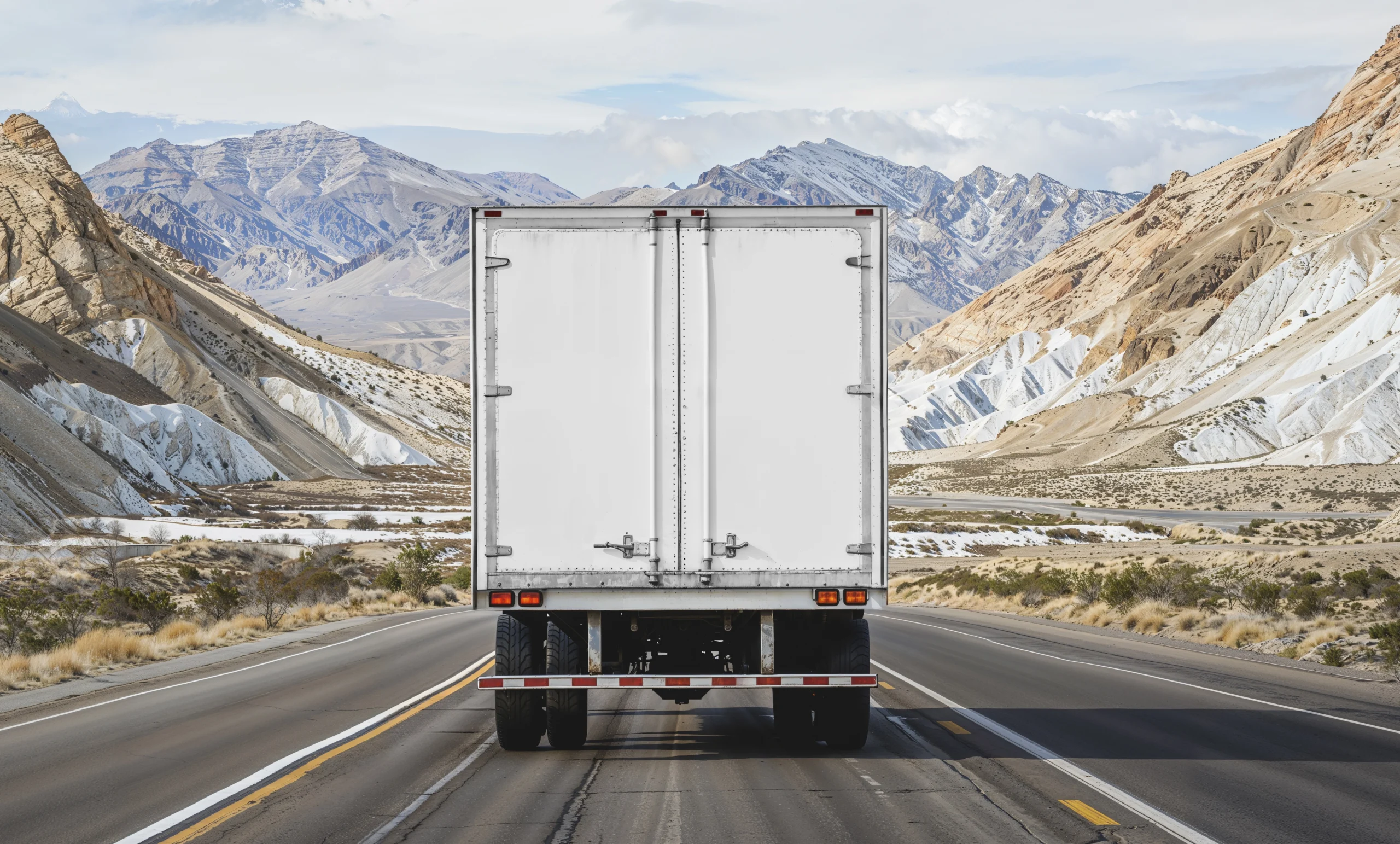
How Reefer Trailers Maintain Consistent Conditions
Reefer trailers are the operational foundation of Refrigerated Reefer Freight Canada. These trailers are designed to create and maintain a controlled cargo environment using insulated construction, refrigeration units, airflow systems, temperature sensors, and automated control technologies.
Insulated trailer walls help separate the internal cargo environment from outside weather conditions. This is particularly important for Refrigerated Reefer Freight Canada, where trucks may travel through significant temperature changes during a single regional or long-distance shipment.
The refrigeration unit works alongside the trailer’s airflow system to circulate conditioned air throughout the cargo area. Proper airflow is essential because maintaining the correct temperature setting alone may not be sufficient if air cannot circulate effectively around the freight. Loading configuration and cargo placement can therefore influence overall temperature consistency.
Modern Refrigerated Reefer Freight Canada operations may also use digital sensors and monitoring systems to track conditions throughout transportation. These systems provide drivers and dispatch teams with greater visibility into trailer performance and can help identify unexpected temperature changes before they become more serious problems.
Remote monitoring technologies can provide another layer of visibility. Depending on the transportation provider and equipment being used, shipment information may be available to operations teams or customers while freight is moving. This allows Refrigerated Reefer Freight Canada providers to maintain closer oversight of sensitive cargo throughout transit.
Equipment inspection is equally important. Refrigeration units, trailer seals, sensors, insulation, and other components should be checked before temperature-sensitive freight is loaded. Strong equipment preparation helps Refrigerated Reefer Freight Canada operations reduce avoidable risks and maintain more consistent transportation conditions from pickup through delivery.
Why Cold Chain Logistics Matters
Temperature control is a critical part of protecting food products throughout refrigerated transportation. The Canadian Food Inspection Agency states that conveyances used to transport food should be capable of maintaining temperature and humidity conditions appropriate for the product and, when necessary, use instruments that control, indicate, and record those conditions. These requirements reinforce the importance of continuous monitoring and properly maintained equipment within Refrigerated Reefer Freight Canada operations.
Cold chain logistics is essential because temperature-sensitive products can be affected by environmental changes at multiple stages of transportation. Effective Refrigerated Reefer Freight Canada helps protect cargo from spoilage, degradation, contamination risks, reduced shelf life, and other quality problems associated with improper temperature management.
Maintaining the cold chain requires more than operating a refrigerated trailer. The entire process must be coordinated, including product preparation, packaging, loading, transportation, monitoring, unloading, and final delivery. A weakness at any stage can affect the overall integrity of the shipment.
For food and beverage products, reliable Refrigerated Reefer Freight Canada can help preserve freshness, quality, and expected shelf life during transportation. For other sensitive commodities, maintaining specified environmental conditions may be important for protecting product characteristics and meeting handling requirements.
Trucking Companies Hiring in BC: Career Paths, Driver Roles, and Opportunities Across British Columbia
Let’s keep it simple:
You might also like
Loading and unloading procedures are particularly important because trailer doors may remain open during these stages, exposing cargo to external conditions. Well-managed Refrigerated Reefer Freight Canada operations coordinate loading schedules and receiving appointments carefully to reduce unnecessary exposure and waiting time.
Sanitation and equipment cleanliness are also important parts of refrigerated transportation. Trailers used for temperature-sensitive cargo should be maintained according to appropriate operational standards, while documentation can provide a record of shipment conditions, inspections, and transportation activities.
Continuous monitoring further strengthens cold chain performance. Temperature information, driver communication, equipment checks, and dispatch oversight allow Refrigerated Reefer Freight Canada providers to identify potential problems and respond more effectively when conditions change.
Ultimately, successful Refrigerated Reefer Freight Canada depends on the combination of appropriate equipment, careful handling, temperature monitoring, route planning, documentation, and operational discipline. When these elements are coordinated effectively, businesses can move temperature-sensitive products across regional and national transportation networks with greater consistency, visibility, and control.
Frequently Asked Questions About Refrigerated Reefer Freight Canada
Businesses considering Refrigerated Reefer Freight Canada often need to understand how temperature-controlled transportation works, which products require reefer service, how freight conditions are monitored, and what risks must be managed throughout the cold chain. The following questions address the most common commercial concerns.
What is refrigerated reefer freight?
Refrigerated reefer freight is temperature-controlled transportation using insulated trailers with refrigeration systems that maintain specific environmental conditions during transit. Refrigerated Reefer Freight Canada supports cargo that may lose quality, safety, stability, or effectiveness when exposed to unsuitable temperatures.
What products are commonly transported in reefer trailers?
Reefer trailers commonly transport fresh produce, frozen foods, dairy products, meat, seafood, pharmaceuticals, medical supplies, chemicals, floral products, beverages, and other temperature-sensitive cargo that requires controlled conditions throughout transportation.
What temperature ranges can reefer trailers maintain?
Depending on the trailer, product, and operating requirements, reefer equipment can maintain frozen, chilled, climate-controlled, or heat-protected conditions. The correct set point should be based on the product specification, packaging, loading temperature, and transportation plan.
Why is cold chain management important?
Cold chain management helps preserve product quality, reduce spoilage, maintain traceability, support food or pharmaceutical compliance, and protect sensitive cargo from temperature deviations. Reliable Refrigerated Reefer Freight Canada depends on maintaining this control through loading, transit, storage, and delivery.
Can refrigerated freight move across the Canada-USA border?
Yes. Many carriers provide cross-border reefer freight between Canada and the United States. These shipments may require customs documentation, regulatory coordination, product-specific records, carrier authority, and careful planning to maintain temperature stability during border processing.
How do carriers monitor temperature during transportation?
Modern reefer fleets may use digital temperature sensors, data loggers, GPS tracking, remote monitoring systems, equipment diagnostics, and electronic records. These technologies allow drivers and dispatch teams to identify temperature deviations earlier and respond before product integrity is compromised.
What is the difference between a reefer trailer and a dry van?
A reefer trailer actively controls temperature using refrigeration and insulated construction. A dry van provides enclosed protection from weather and road conditions but does not regulate the internal environment. Temperature-sensitive shipping generally requires refrigerated equipment.
Which industries depend most on refrigerated transportation?
Agriculture, food processing, retail distribution, hospitality, pharmaceutical manufacturing, healthcare, biotechnology, floral distribution, chemical manufacturing, and cold storage operations all depend on Refrigerated Reefer Freight Canada.
What happens if a reefer unit stops working during transit?
Professional carriers typically use emergency response procedures that may include remote diagnostics, roadside maintenance, backup equipment, freight transfer, alternative transportation, and immediate customer communication. The response depends on product sensitivity, current trailer temperature, location, and expected repair time.
When product quality depends on maintaining precise temperatures throughout transit, choosing the right refrigerated transportation partner becomes a critical part of your supply chain. Refrigerated Reefer Freight Canada solutions help businesses protect perishable, frozen, pharmaceutical, medical, and other temperature-sensitive cargo through dependable equipment, continuous monitoring, careful route planning, and coordinated delivery operations.
Connect with our team to discuss your temperature-controlled freight requirements and build a refrigerated transportation solution designed around your cargo, route, and delivery conditions.
Conclusion
Refrigerated Reefer Freight Canada provides the controlled transportation environment required to protect perishable, frozen, pharmaceutical, medical, floral, and other temperature-sensitive products throughout local, regional, national, and cross-border supply chains. Reliable reefer transportation helps businesses preserve quality, support regulatory compliance, and reduce the financial and operational risks associated with damaged or compromised cargo.
Successful refrigerated transportation depends on more than a functioning refrigeration unit. Trailer condition, pre-cooling, airflow, loading practices, packaging, temperature settings, monitoring technology, driver communication, route planning, and delivery coordination all influence whether the cold chain remains stable from origin to destination.

Businesses evaluating Refrigerated Reefer Freight Canada should review carrier experience, equipment quality, sanitation procedures, temperature-control capabilities, monitoring systems, emergency response planning, and cross-border expertise. A qualified refrigerated freight carrier should understand both the transportation requirements and the operational consequences of temperature deviations.
As food distribution, healthcare supply chains, pharmaceutical transportation, and climate-sensitive commercial shipping continue to expand, dependable Refrigerated Reefer Freight Canada will remain essential to Canadian commerce. Working with an experienced reefer transportation provider helps businesses maintain product integrity, improve shipment visibility, strengthen cold chain performance, and deliver sensitive cargo with greater confidence.






No comment