
Introduction
The Vancouver Freight & Trucking Market plays one of the most important roles in Canada’s transportation network. As the country’s primary Pacific gateway, Vancouver connects international trade with regional distribution, national freight corridors, and cross-border transportation throughout North America. Every day, thousands of commercial shipments move through the region by truck, rail, and marine transportation before continuing to destinations across British Columbia, Alberta, the Prairies, Eastern Canada, and the United States.
Businesses operating within the Vancouver Freight & Trucking Market depend on an extensive network of freight companies Vancouver, trucking companies in Vancouver BC, warehousing facilities, logistics providers, distribution centres, and transportation infrastructure. Whether moving consumer products, industrial equipment, manufacturing supplies, construction materials, refrigerated food, or import containers, efficient freight transportation is essential for maintaining stable supply chains and supporting commercial growth.
The strategic location of Vancouver creates advantages that few other Canadian cities can offer. Direct access to the Port of Vancouver freight network, major railway systems, international highways, border crossings, and modern distribution facilities allows businesses to transport freight efficiently between local markets and international destinations. As a result, the Vancouver Freight & Trucking Market continues to serve as one of the country’s busiest transportation ecosystems.
Modern Vancouver freight services extend well beyond simple truck transportation. Today’s logistics providers coordinate truckload shipping, less-than-truckload (LTL) services, dedicated freight, intermodal transportation, warehousing, cross-border customs coordination, shipment visibility, transportation management systems, and integrated supply chain solutions. Businesses increasingly seek transportation partners capable of managing complete freight operations rather than individual shipments.
Market Insight: The strength of the Vancouver Freight & Trucking Market comes from its ability to connect international imports, domestic freight transportation, regional distribution, industrial supply chains, and Canada–USA trade through one integrated transportation network. This combination makes Metro Vancouver one of the most influential logistics regions in North America.
As freight volumes continue evolving alongside e-commerce, industrial investment, population growth, and international trade, demand for dependable commercial trucking Vancouver providers continues to increase. Companies require transportation partners capable of handling local deliveries, regional freight BC, Canada-wide transport and logistics, and cross-border freight Canada USA while maintaining consistent communication, shipment visibility, and reliable transit performance.
This guide explores every major aspect of the Vancouver Freight & Trucking Market, including transportation infrastructure, freight services, regional shipping networks, industry demand, technology, future trends, and the factors businesses should evaluate when selecting a logistics company in Vancouver. Whether shipping within Metro Vancouver or coordinating freight across North America, understanding this transportation market helps businesses build stronger, more resilient supply chains.
Understanding the Vancouver Freight & Trucking Market
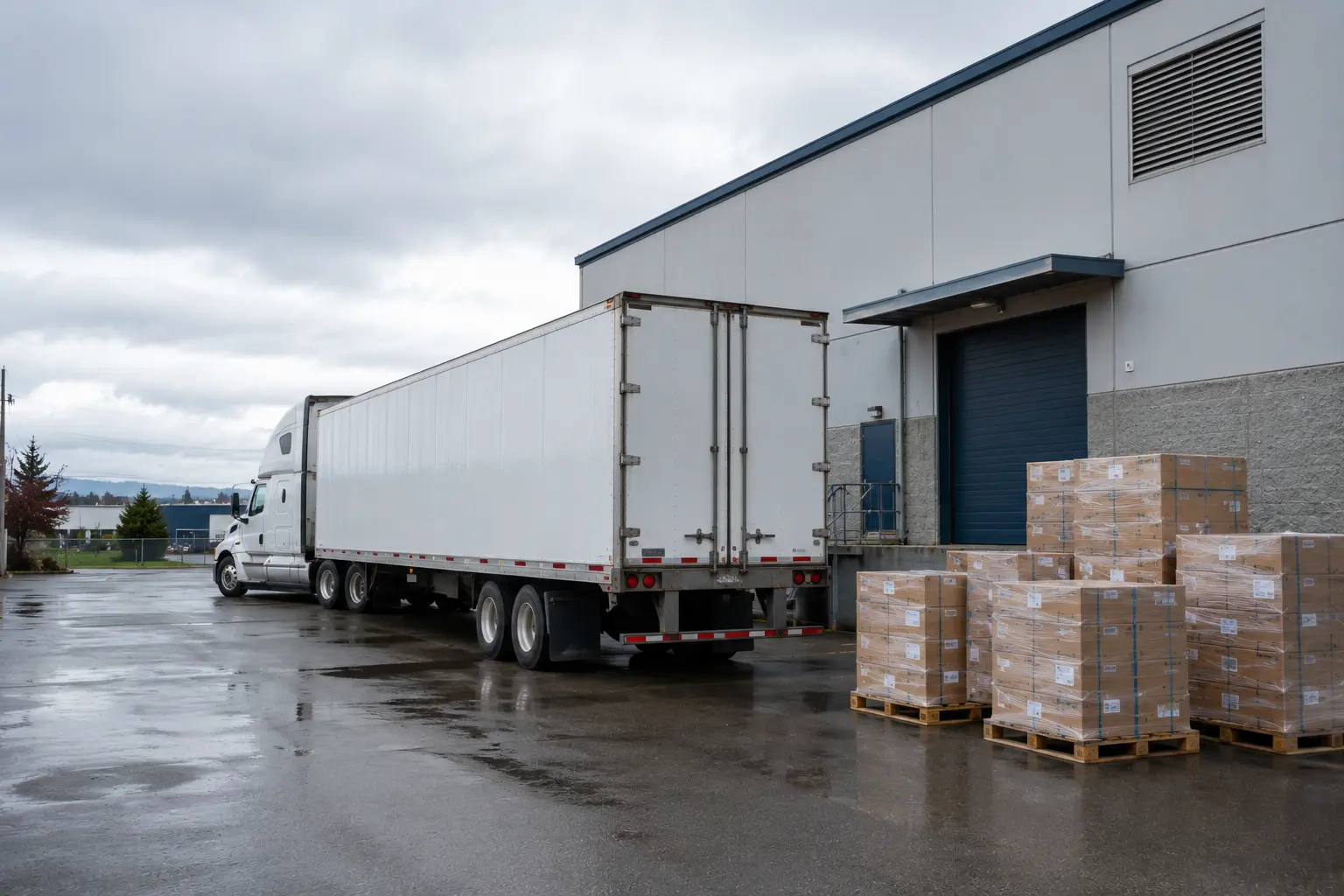
The Vancouver Freight & Trucking Market represents a complex transportation ecosystem where trucking companies, logistics providers, rail operators, marine terminals, warehouses, freight forwarders, and commercial businesses work together to move goods efficiently throughout Western Canada and beyond. Rather than functioning as isolated transportation providers, these organizations form an interconnected freight network supporting thousands of commercial shipments every day.
Businesses rely on the Vancouver Freight & Trucking Market because it provides direct access to regional, national, and international transportation routes through one of Canada’s most strategically positioned commercial centres. This combination supports everything from local deliveries and industrial freight transport Canada to international container movements and cross-border distribution.
| Transportation Component | Role Within the Market | Business Benefit |
|---|---|---|
| Port Operations | International imports and exports | Global trade access |
| Commercial Trucking | Regional and national freight movement | Reliable freight transportation |
| Rail Transportation | Long-distance freight corridors | Efficient national distribution |
| Warehousing | Inventory storage and fulfillment | Supply chain flexibility |
| Logistics Management | Planning, visibility and coordination | Improved operational efficiency |
Why Vancouver Is Canada’s Western Transportation Gateway
Few cities offer the transportation advantages found within the Vancouver Freight & Trucking Market. Vancouver provides direct access to Canada’s largest western seaport while serving as the primary transportation gateway connecting Pacific trade with commercial markets across Canada and the United States.
Freight arriving through Vancouver can be transferred efficiently between marine terminals, trucking operations Canada, rail systems, distribution centres, and warehouses before continuing toward regional destinations or national transportation corridors. This multimodal connectivity allows businesses to move freight with greater flexibility while supporting complex commercial supply chains.
The Port of Vancouver continues to serve as Canada’s largest gateway for international trade, handling diverse cargo that connects Canadian businesses with global markets. According to the Vancouver Fraser Port Authority, the port supports extensive import and export activity while integrating marine, rail, and trucking networks that strengthen regional and national supply chains. This multimodal connectivity reinforces Vancouver’s position as one of North America’s most important freight and logistics hubs.
For companies seeking dependable freight transportation Vancouver solutions, this strategic location reduces unnecessary transportation complexity while expanding access to domestic and international markets.
The Importance of Freight Transportation to the Regional Economy
The regional economy depends heavily on the Vancouver Freight & Trucking Market. Manufacturing facilities require inbound raw materials, retailers depend on inventory replenishment, construction companies receive equipment and building supplies, while exporters move Canadian products toward international markets through Vancouver’s transportation infrastructure.
Without dependable freight transportation Vancouver services, supply chains would experience delays that affect production schedules, inventory availability, customer deliveries, and overall business performance. Efficient transportation therefore contributes directly to economic activity across numerous industries throughout British Columbia.
How Vancouver Connects Canadian and International Supply Chains
The Vancouver Freight & Trucking Market functions as a critical connection point between global shipping routes and inland Canadian distribution networks. Imported goods arriving from Asia and other international markets can quickly transition from port terminals to commercial trucking Vancouver fleets, rail transportation, and regional distribution centres serving customers throughout Canada.
Likewise, Canadian manufacturers, agricultural producers, industrial businesses, and exporters rely on this transportation network to move products toward international buyers. This continuous movement of freight strengthens supply chain logistics Canada while creating one of the country’s most important commercial transportation ecosystems.
Ready to Ship With Confidence?
Tell us a few details and we'll recommend the most efficient shipping option.
Get Your Freight Quote
Why Vancouver Is a Strategic Freight Hub
The Vancouver Freight & Trucking Market has developed into one of North America’s most strategically positioned transportation hubs. Its combination of marine terminals, national railway networks, major highways, border access, warehousing infrastructure, and modern logistics facilities allows freight to move efficiently between international suppliers and Canadian businesses.
Unlike many transportation markets that depend on a single shipping mode, the Vancouver Freight & Trucking Market integrates marine shipping, commercial trucking, rail transportation, and cross-border logistics into one connected network. This flexibility helps businesses reduce transportation delays while improving supply chain resilience.
Port Access
Direct connections to international shipping lanes support import and export operations throughout Western Canada.
National Distribution
Freight moves efficiently from Vancouver toward British Columbia, Alberta, the Prairies, Ontario, and Eastern Canada.
Cross-Border Trade
Transportation corridors provide efficient access to Washington State and broader USA freight markets.
Access to the Port of Vancouver
A defining feature of the Vancouver Freight & Trucking Market is its close relationship with the Port of Vancouver freight network. As Canada’s largest port, it handles millions of tonnes of cargo every year, connecting businesses with trading partners throughout Asia, Europe, South America, and other international markets.
Once cargo arrives at marine terminals, commercial trucking Vancouver providers transport containers to warehouses, manufacturing facilities, distribution centres, rail terminals, and customers throughout British Columbia and Canada. This rapid transition between shipping modes is one of the reasons the Vancouver transportation network remains highly efficient.
Why it matters: The success of the Vancouver Freight & Trucking Market depends heavily on the coordination between port operations, trucking companies in Vancouver BC, rail carriers, customs services, and regional distribution facilities. Efficient collaboration minimizes delays while improving overall supply chain performance.
Major Highway and Transportation Corridors
Road infrastructure is another major advantage supporting the Vancouver Freight & Trucking Market. Multiple highway corridors connect Metro Vancouver with surrounding municipalities, industrial zones, distribution hubs, and interprovincial transportation routes.
These corridors allow freight companies Vancouver to move shipments between ports, warehouses, manufacturing facilities, retailers, and regional customers while supporting both scheduled deliveries and time-sensitive commercial transportation.
Highway connectivity is particularly valuable for businesses requiring Canada-wide transport and logistics because freight can continue seamlessly from Vancouver toward Alberta, Saskatchewan, Manitoba, Ontario, and beyond.
Rail Connections Across Canada
Rail transportation complements trucking operations throughout the Vancouver Freight & Trucking Market. Containers arriving at marine terminals frequently transfer onto rail networks for long-distance transportation across Canada, while trucking companies handle first-mile and final-mile freight movement.
This intermodal approach helps optimize transportation efficiency for certain freight types while supporting businesses moving high shipment volumes over long distances. Rail and trucking work together rather than competing, creating a stronger overall logistics network.
Cross-Border Access to the United States
The Vancouver Freight & Trucking Market also benefits from its proximity to the Canada–USA border. Commercial carriers regularly transport freight between British Columbia and Washington State before continuing to destinations throughout the Pacific Northwest and the broader United States.
Cross-border freight Canada USA supports industries ranging from manufacturing and agriculture to retail distribution, industrial equipment, consumer goods, and food products. Many logistics company in Vancouver providers therefore offer customs coordination, shipment documentation, border compliance support, and transportation planning as part of integrated freight solutions.
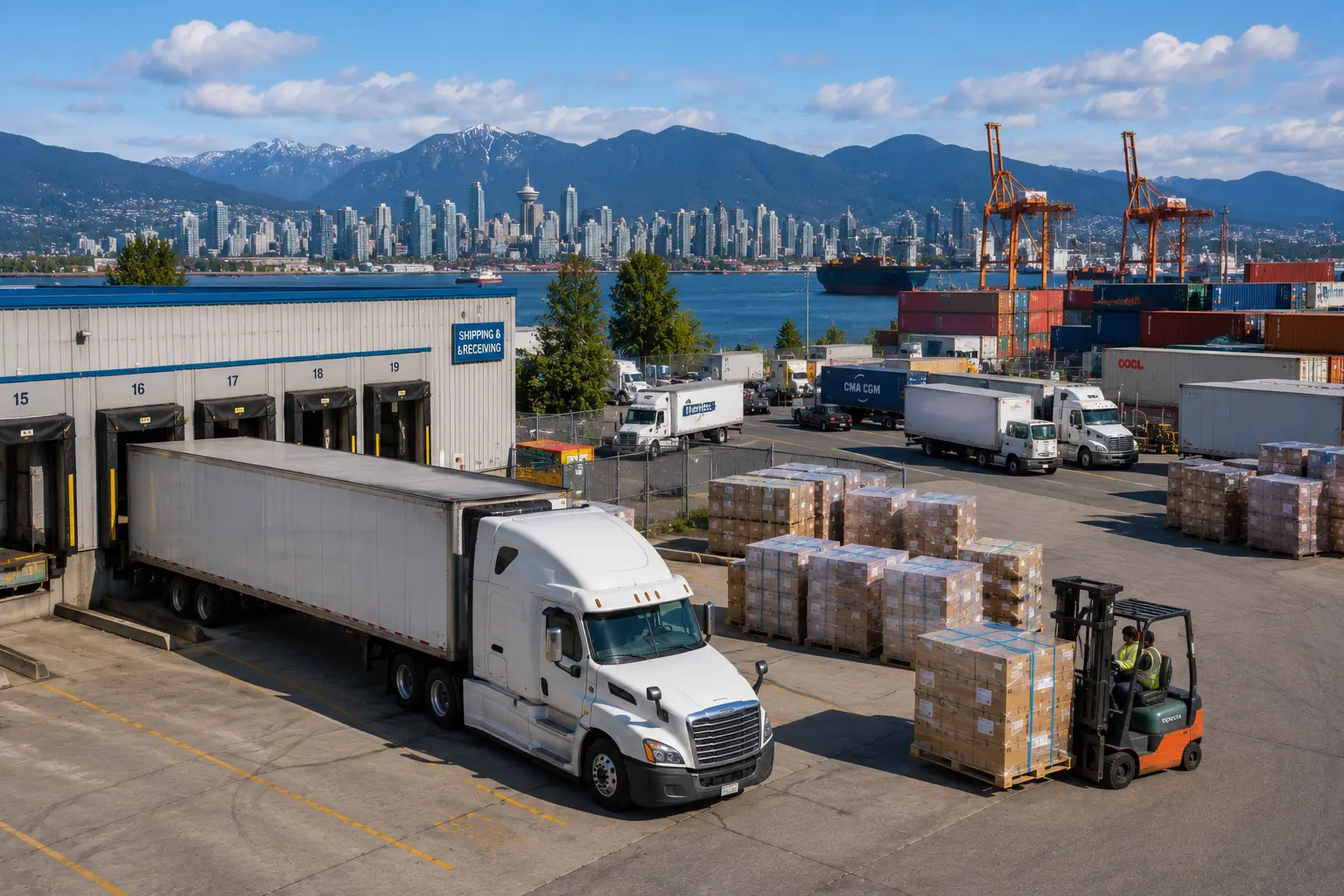
For businesses involved in international trade, this geographic advantage makes Vancouver one of Canada’s most valuable commercial transportation centres, combining domestic distribution capabilities with efficient access to global and North American markets.
Types of Freight Transportation in the Vancouver Market
One of the defining strengths of the Vancouver Freight & Trucking Market is the diversity of transportation solutions available to businesses. Companies shipping within Metro Vancouver, throughout British Columbia, across Canada, or into the United States can choose from multiple freight services depending on shipment size, delivery schedule, cargo characteristics, and operational requirements.
The Vancouver Freight & Trucking Market supports manufacturers, wholesalers, retailers, importers, exporters, construction companies, food distributors, and industrial organizations with transportation services that range from local commercial deliveries to highly specialized heavy-haul logistics. This flexibility allows businesses to build transportation strategies that match both operational demands and long-term growth plans.
| Transportation Type | Typical Coverage | Common Shipments |
|---|---|---|
| Local Commercial Freight | Metro Vancouver | Retail inventory, pallets, warehouse transfers |
| Regional Freight BC | British Columbia | Industrial products, construction materials, food distribution |
| Canada-Wide Truckload | Nationwide | Manufacturing, wholesale, retail freight |
| Cross-Border Freight | Canada–USA | Commercial imports and exports |
| Intermodal Transportation | Marine, rail and truck | Containerized freight |
Local Commercial Freight
Local freight transportation forms the foundation of the Vancouver Freight & Trucking Market. Every day, trucks move commercial goods between warehouses, retail stores, manufacturing facilities, construction projects, distribution centres, ports, and industrial businesses throughout Metro Vancouver.
These operations typically prioritize fast response times, route efficiency, and consistent delivery schedules. Local freight carriers often support same-day or next-day commercial deliveries while helping businesses maintain inventory levels and production schedules without unnecessary transportation delays.
For companies operating exclusively within Metro Vancouver, local transportation services provide a flexible and cost-effective solution for routine commercial shipping.
Regional Freight Across British Columbia
Regional freight BC connects Vancouver with surrounding communities including Surrey, Burnaby, Richmond, Delta, Abbotsford, Chilliwack, Kamloops, Kelowna, Prince George, Victoria, and numerous industrial regions across British Columbia.
The Vancouver Freight & Trucking Market supports these regional transportation networks by moving finished goods, construction materials, industrial equipment, consumer products, and food shipments between production facilities, warehouses, wholesalers, and commercial customers.
Regional transportation often balances delivery speed with route efficiency, making it an essential service for businesses expanding throughout Western Canada.
Canada-Wide Truckload Transportation
Many businesses require freight movement beyond British Columbia. The Vancouver Freight & Trucking Market supports Canada-wide transport and logistics through long-distance truckload services connecting Vancouver with Alberta, Saskatchewan, Manitoba, Ontario, Quebec, and Atlantic Canada.
These transportation services are commonly used for manufacturing shipments, retail replenishment, industrial machinery, packaged consumer goods, and wholesale distribution. Reliable scheduling and nationwide carrier networks help businesses maintain consistent supply chain performance regardless of shipping distance.
Transportation insight: One reason the Vancouver Freight & Trucking Market remains so important is its ability to support every stage of freight movement—from local city deliveries to coast-to-coast commercial transportation using the same integrated logistics network.
Cross-Border Freight Services
Cross-border freight Canada USA is a major component of the Vancouver Freight & Trucking Market. Commercial carriers regularly transport freight between British Columbia and destinations throughout Washington State, Oregon, California, and the broader United States.
Cross-border transportation requires careful coordination between carriers, customs brokers, logistics providers, and government agencies to support efficient border processing while maintaining shipment visibility and regulatory compliance.
Businesses involved in international trade frequently choose transportation partners with proven cross-border experience to simplify customs documentation, scheduling, and delivery planning.
Intermodal Freight Transportation
Intermodal transportation combines multiple freight modes—including marine shipping, rail transportation, and commercial trucking—to move cargo efficiently across long distances. Within the Vancouver Freight & Trucking Market, imported containers often arrive by ship before transferring to rail or truck for final delivery throughout Canada.
This integrated transportation model allows businesses to leverage the strengths of each shipping method while improving overall network efficiency. It is particularly valuable for containerized freight, high-volume shipments, and international supply chain logistics Canada operations.
As global trade continues to evolve, intermodal transportation remains one of the most significant competitive advantages of the Vancouver Freight & Trucking Market, reinforcing Vancouver’s position as Canada’s leading western freight gateway.
Major Freight Services Supporting Vancouver Businesses
The Vancouver Freight & Trucking Market supports businesses with a broad range of transportation services designed to match different shipment sizes, delivery schedules, cargo requirements, and supply chain strategies. Rather than relying on a single shipping solution, organizations often combine multiple freight services to optimize transportation costs while maintaining dependable delivery performance.
Whether shipping a full trailer of manufacturing equipment, a small pallet of retail inventory, refrigerated food products, or oversized industrial machinery, the Vancouver Freight & Trucking Market offers specialized transportation solutions for virtually every commercial sector. Selecting the right freight service helps improve efficiency, reduce operational risks, and strengthen long-term supply chain performance.
Flexible Capacity
Transportation services can be matched to shipment size, delivery urgency, and equipment requirements.
Industry Solutions
Manufacturing, retail, food, construction, and industrial sectors all require different freight capabilities.
Integrated Logistics
Many providers combine transportation, warehousing, dispatch, tracking, and logistics management into one service.
Full Truckload (FTL) Shipping
Full Truckload (FTL) transportation is commonly used when a shipment occupies most or all of a trailer. Businesses within the Vancouver Freight & Trucking Market often select FTL shipping for large manufacturing orders, wholesale inventory, industrial equipment, construction materials, or time-sensitive commercial freight.
FTL shipments typically move directly from the pickup location to the destination with fewer intermediate handling points. This can reduce transit time while minimizing product handling throughout transportation. Many freight companies Vancouver provide FTL services for regional distribution, Canada-wide transport and logistics, and cross-border freight operations.
Less Than Truckload (LTL) Shipping
Less Than Truckload (LTL) shipping allows multiple customers to share trailer space, making it a practical option for businesses shipping smaller freight volumes. Instead of paying for an entire trailer, each shipper uses only the capacity required for their shipment.
Within the Vancouver Freight & Trucking Market, LTL transportation supports retailers, distributors, manufacturers, and wholesalers that move palletized freight on a regular basis but do not require full truckload capacity. This approach helps improve equipment utilization while providing flexible shipping solutions for growing businesses.
Heavy Haul Trucking in BC & Canada: Specialized Transport for Oversized and Overweight Freight
Let’s keep it simple:
You might also like
Dedicated Freight Services
Dedicated freight services provide businesses with transportation capacity reserved specifically for their operations. Rather than competing for available trucks, companies receive scheduled equipment and driver resources that support consistent freight movement.
Organizations with predictable shipping volumes often use dedicated services within the Vancouver Freight & Trucking Market to improve delivery reliability, simplify scheduling, and maintain greater control over transportation planning. Dedicated solutions are frequently used by manufacturers, retail distribution networks, food suppliers, and industrial operations with recurring shipping requirements.
Operational advantage: Businesses that ship freight on a regular schedule often benefit from dedicated transportation because equipment availability, route planning, and communication become more consistent over time, strengthening the overall Vancouver Freight & Trucking Market supply chain.
Heavy Haul Transportation
Heavy haul transportation supports oversized or exceptionally heavy freight that cannot be transported using standard commercial trailers. Construction equipment, industrial machinery, energy infrastructure, manufacturing components, and specialized project cargo frequently require heavy haul expertise.
Carriers operating within the Vancouver Freight & Trucking Market often coordinate specialized trailers, route planning, permits, escort vehicles, and regulatory compliance to move these complex shipments safely across British Columbia and Canada.
Flatbed Trucking
Flatbed transportation provides flexibility for freight that cannot be easily loaded into enclosed trailers. Building materials, steel products, lumber, industrial equipment, concrete components, oversized pallets, and machinery are commonly transported using flatbed trailers.
The construction, forestry, manufacturing, and industrial sectors all contribute to demand for flatbed services within the Vancouver Freight & Trucking Market. Proper cargo securement, weight distribution, and route planning are essential to support safe and efficient transportation.
Refrigerated Freight
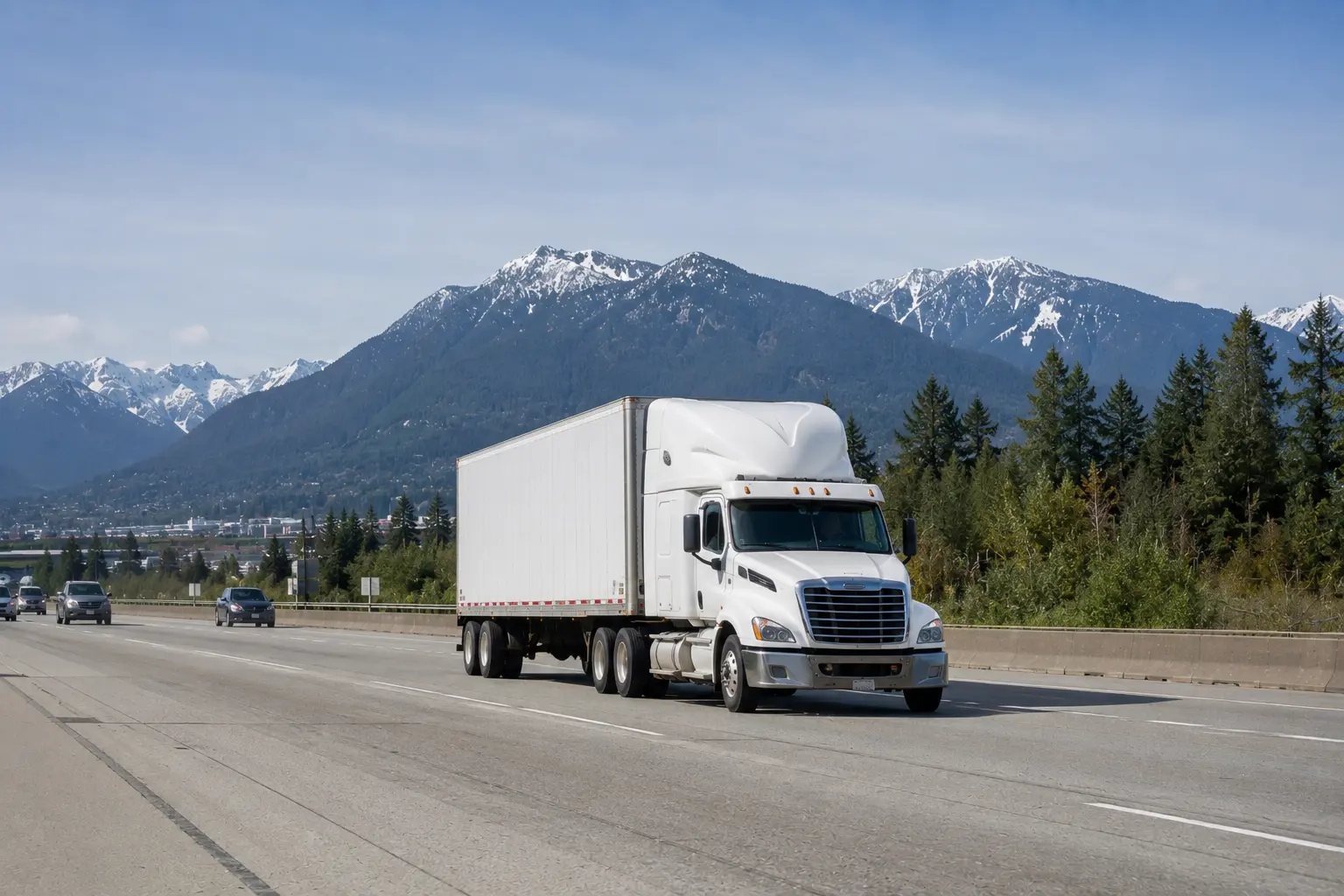
Temperature-controlled transportation is another essential component of the Vancouver Freight & Trucking Market. Refrigerated trailers support the movement of food products, pharmaceuticals, beverages, agricultural goods, floral products, and other temperature-sensitive cargo that must remain within specified environmental conditions during transit.
Businesses throughout Metro Vancouver depend on refrigerated freight services to protect product quality while meeting delivery schedules across British Columbia, Canada, and international markets. Combined with advanced monitoring systems and modern fleet management technologies, refrigerated transportation continues to play a critical role in supporting commercial supply chains throughout Western Canada.
Frequently Asked Questions About the Vancouver Freight & Trucking Market
Businesses exploring the Vancouver Freight & Trucking Market often have questions about transportation infrastructure, freight services, logistics providers, and regional shipping capabilities. The following answers address some of the most common questions businesses ask when evaluating freight transportation in Metro Vancouver and Western Canada.
What is the Vancouver freight and trucking market?
The Vancouver Freight & Trucking Market refers to the network of freight carriers, trucking companies, logistics providers, warehouses, transportation infrastructure, and distribution facilities that support commercial freight movement throughout Metro Vancouver, British Columbia, Canada, and international trade routes.
Why is Vancouver considered one of Canada’s most important freight hubs?
Vancouver combines Canada’s largest port, extensive highway infrastructure, major rail terminals, modern logistics facilities, and direct access to the United States. These advantages make the Vancouver Freight & Trucking Market one of North America’s most significant transportation gateways.
What types of freight move through Vancouver?
Freight moving through Vancouver includes retail inventory, industrial equipment, construction materials, consumer goods, food products, forestry products, manufacturing supplies, machinery, refrigerated cargo, and import/export containers destined for Canadian and international markets.
Which industries rely on the Vancouver freight market?
Manufacturing, retail, wholesale distribution, construction, agriculture, food processing, mining, forestry, warehousing, logistics, industrial operations, and import/export businesses all depend on the Vancouver Freight & Trucking Market for efficient freight transportation.
Do Vancouver trucking companies provide cross-border transportation?
Yes. Many trucking companies in Vancouver BC provide Canada–USA transportation services, supporting commercial freight movement between British Columbia and destinations throughout Washington State, the Pacific Northwest, and other regions of the United States.
What transportation services are commonly available in Vancouver?
Businesses can access Full Truckload (FTL), Less Than Truckload (LTL), dedicated freight, refrigerated transportation, flatbed trucking, heavy haul services, intermodal freight, regional distribution, and integrated logistics solutions throughout the Vancouver Freight & Trucking Market.
What challenges affect freight transportation in Vancouver?
Transportation providers may encounter traffic congestion, port capacity constraints, seasonal weather conditions, equipment availability, driver shortages, border processing times, and changing freight demand. Effective planning and experienced logistics management help reduce these operational challenges.
How can businesses choose the right freight company in Vancouver?
Businesses should evaluate freight providers based on service coverage, fleet capability, equipment availability, transportation experience, communication practices, safety performance, technology, and their ability to support regional, national, and cross-border freight operations.
How does the Port of Vancouver influence trucking operations?
The Port of Vancouver generates significant container traffic that depends on commercial trucking for import pickups, export deliveries, warehouse transfers, rail connections, and regional distribution. It is one of the primary drivers of activity within the Vancouver Freight & Trucking Market.
Vancouver offers access to one of Canada’s most connected freight networks, but the real advantage comes from working with a transportation partner that understands how to navigate regional distribution, Canada-wide shipping, and cross-border logistics as part of a unified supply chain strategy. Whether you’re moving freight locally within Metro Vancouver or expanding across North America, the right logistics approach can improve efficiency, strengthen reliability, and support long-term business growth.
Connect with our team to discuss your transportation requirements and discover freight solutions tailored to your routes, cargo, and operational goals.
Conclusion
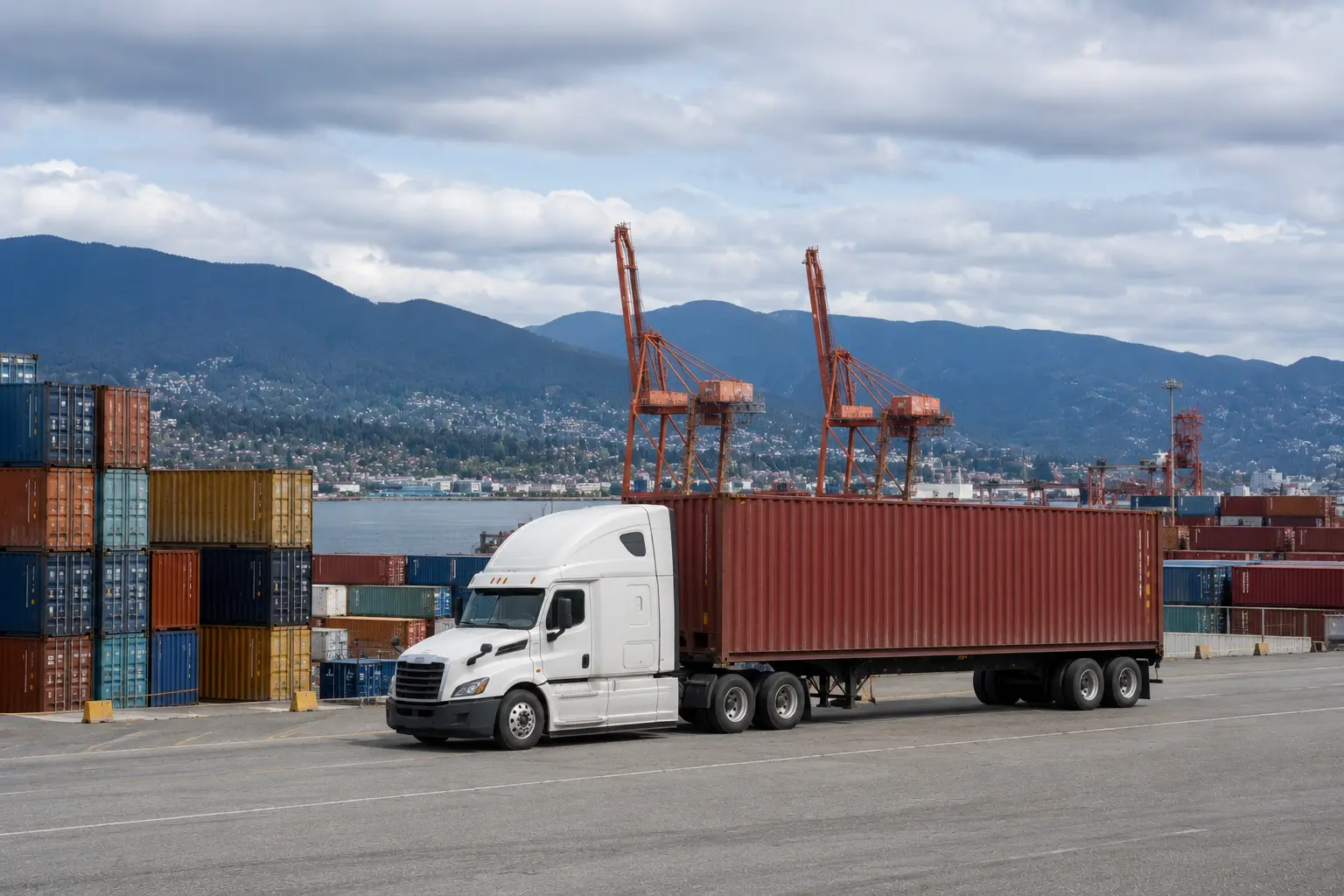
The Vancouver Freight & Trucking Market remains one of the most important transportation ecosystems in Canada, supporting regional commerce, national distribution, and international trade through an integrated network of trucking companies, logistics providers, rail connections, warehouses, and marine transportation. Its strategic location continues to position Vancouver as the primary gateway between Western Canada and global markets.
As businesses expand their supply chains, transportation requirements become increasingly complex. The Vancouver Freight & Trucking Market provides the flexibility to support local commercial deliveries, regional freight across British Columbia, Canada-wide transport and logistics, and cross-border freight between Canada and the United States. This broad range of capabilities allows organizations to adapt their transportation strategies as operational demands evolve.
Selecting the right transportation partner involves more than comparing freight rates. Companies should evaluate operational experience, fleet capabilities, communication standards, shipment visibility, equipment availability, safety performance, and industry expertise. Working with experienced freight companies Vancouver can help improve delivery reliability, reduce transportation risks, and strengthen overall supply chain performance.
With continued investment in transportation infrastructure, logistics technology, intermodal shipping, and supply chain modernization, the Vancouver Freight & Trucking Market is expected to remain a driving force behind commercial transportation throughout Western Canada. Businesses that build strong relationships with reliable transportation providers will be well positioned to support future growth while maintaining efficient, resilient, and competitive freight operations.






No comment