
Introduction
Cross-Border Freight Forwarding plays a critical role in international trade by coordinating the movement of freight between countries and helping businesses navigate the complexities of global logistics. Rather than physically transporting freight themselves, freight forwarders manage the planning, coordination, documentation, and communication required to move cargo efficiently through international supply chains.
As cross-border trade continues to expand, businesses increasingly rely on freight forwarding services to simplify transportation management and improve shipping efficiency. Whether freight is moving between Canada and the United States or across broader international markets, effective coordination is essential for maintaining reliable delivery performance.
International freight logistics involves multiple stakeholders, including carriers, customs brokers, warehouses, regulatory agencies, and importers or exporters. Freight forwarders act as a central point of coordination, ensuring all parties work together efficiently throughout the shipping process.
Customs coordination and freight documentation are particularly important in cross-border operations. Incomplete paperwork, compliance issues, or communication gaps can create costly delays and operational disruptions. Professional freight forwarders help businesses reduce these risks while improving shipment visibility and logistics performance.
For organizations managing international shipments, understanding how Cross-Border Freight Forwarding works is essential for building efficient supply chains and maintaining reliable freight movement across borders.
What Freight Forwarders Do
Cross-Border Freight Forwarding involves organizing, coordinating, and managing the movement of freight across international borders. Instead of simply arranging transportation, freight forwarders oversee the broader logistics process required to move cargo efficiently, legally, and reliably from origin to destination.
For businesses shipping between Canada and the United States, freight movement often involves multiple parties, including carriers, customs brokers, warehouses, suppliers, and receiving locations. Cross-Border Freight Forwarding helps bring these moving parts together into one structured process, reducing confusion and improving shipment control.
Freight forwarders act as logistics coordinators. Their role is to simplify complex international shipping operations by managing transportation planning, documentation, customs coordination, carrier selection, and communication. This support is especially valuable for businesses that do not have the internal resources or expertise to manage every stage of cross-border freight movement independently.
By using Cross-Border Freight Forwarding, businesses can reduce administrative workload, improve delivery planning, and maintain stronger visibility across the supply chain.
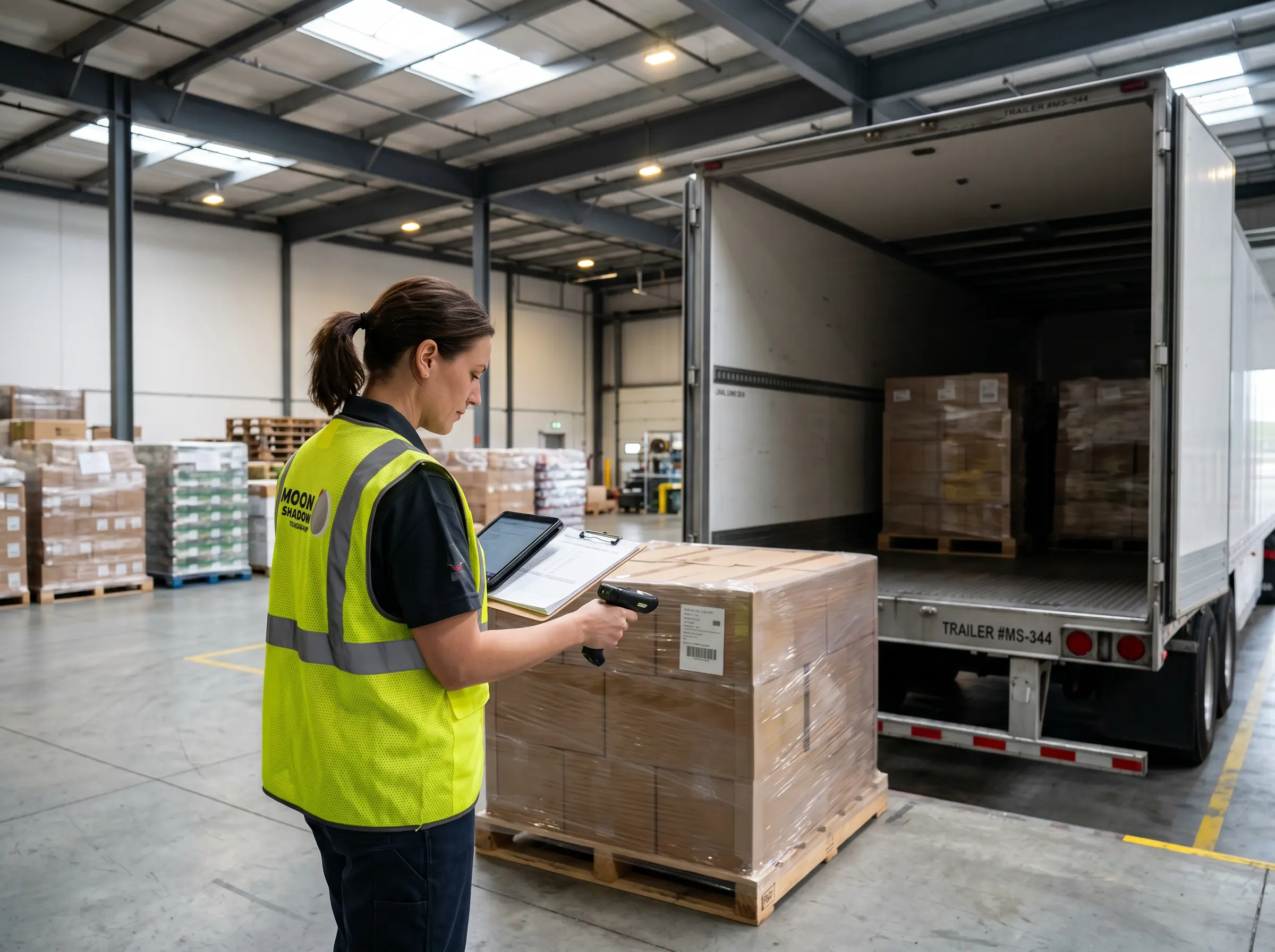
Definition of Cross-Border Freight Forwarding
Cross-Border Freight Forwarding is the process of coordinating international shipments from origin to destination through a network of transportation providers, customs specialists, and logistics partners. Freight forwarders usually do not operate trucks, trailers, ships, or rail equipment themselves. Instead, they organize the logistics required to move freight successfully across borders.
This includes selecting suitable carriers, planning efficient routes, preparing shipping documents, coordinating customs requirements, and monitoring shipment progress. In cross-border trade, these responsibilities are especially important because freight must comply with regulations in both the exporting and importing country.
A professional Cross-Border Freight Forwarding provider helps ensure that cargo is properly documented, routed through the right transport channels, and delivered according to agreed timelines. This reduces the risk of border delays, missed delivery windows, and compliance-related issues.
The Role of Freight Forwarding in International Shipping
Freight forwarding plays a key role in helping businesses navigate the complexity of international trade. Cross-border shipments require more than basic transportation; they demand planning, regulatory awareness, and coordination across multiple stages.
Cross-Border Freight Forwarding supports international shipping by managing shipment planning, carrier selection, route coordination, customs preparation, and delivery scheduling. This allows businesses to move goods across borders more efficiently while reducing internal administrative pressure.
Forwarders also help businesses choose the most suitable shipping method based on cargo type, urgency, budget, and destination. Whether freight requires truckload transport, less than truckload movement, or multimodal coordination, freight forwarders help design a practical shipping strategy.
International freight logistics becomes easier to manage when businesses work with experienced freight forwarding professionals who understand documentation requirements, trade routes, customs procedures, and carrier networks.
Coordinating Transportation, Documentation, and Logistics
One of the most valuable functions of Cross-Border Freight Forwarding is coordination. Freight forwarders oversee transportation schedules, shipment documentation, customs communication, and updates between all parties involved in the freight process.
They help prepare and manage documents such as commercial invoices, bills of lading, packing lists, customs declarations, and certificates of origin when required. Proper documentation is critical in cross-border shipping because even small errors can result in inspections, shipment holds, or delays.
Freight forwarders also coordinate with carriers and customs brokers to ensure shipments move according to planned timelines. By monitoring each stage of the process, they help identify potential issues early and resolve them before they disrupt delivery.
Through structured communication and planning, Cross-Border Freight Forwarding helps businesses maintain efficient international supply chain operations.
Freight Forwarding vs Freight Carriers
Understanding the difference between Cross-Border Freight Forwarding and freight transportation is important for businesses involved in international shipping. While both freight forwarders and carriers support cargo movement, they perform different roles within the logistics process.
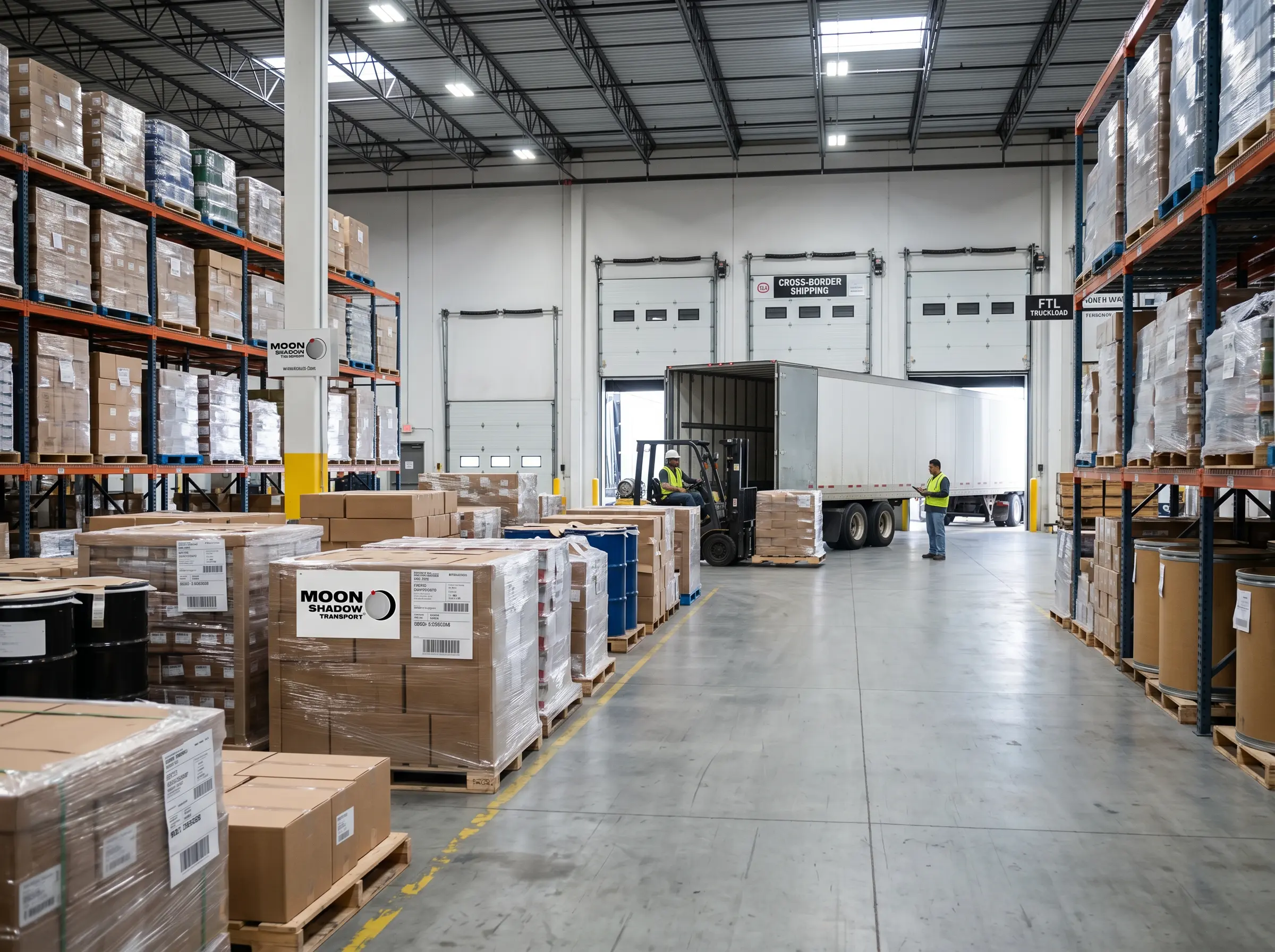
Freight carriers physically move cargo using trucks, trailers, rail, ships, or aircraft. They are responsible for transportation execution. Freight forwarders, however, manage the logistics behind the shipment. They coordinate carriers, prepare documentation, plan routes, and ensure regulatory requirements are met.
In simple terms, carriers move the freight, while freight forwarders manage the shipping process.
Key Differences Between Freight Forwarders and Carriers
The main difference is ownership and responsibility. Carriers operate transportation equipment and handle the physical movement of freight. Freight forwarders typically do not own the equipment used to move cargo. Instead, they work with carrier networks and logistics partners to arrange the most efficient shipping solution.
Cross-Border Freight Forwarding focuses on coordination rather than direct transportation. This makes forwarders especially useful for shipments involving multiple carriers, international documentation, customs clearance, or complex routing.
For straightforward domestic shipments, a carrier may be enough. But for international freight movement, freight forwarders provide added value by managing documentation, compliance, scheduling, and communication.
Who Manages Transportation and Who Manages Logistics
Carriers manage the physical transportation of goods. Their responsibility is to move freight safely from pickup to delivery based on the agreed service.
Freight forwarders manage the logistics surrounding that movement. In Cross-Border Freight Forwarding, this includes route planning, carrier selection, customs coordination, shipment documentation, delivery scheduling, and communication between stakeholders.
International freight logistics often requires both forwarders and carriers to work together. The carrier moves the cargo, while the forwarder ensures the shipment is properly planned, documented, and coordinated across every stage.
This partnership helps businesses reduce risk and improve delivery reliability across cross-border supply chains.
How Freight Forwarding Supports Supply Chain Operations
Cross-Border Freight Forwarding supports supply chain operations by turning complex international shipping into a more organized and manageable process. Businesses gain access to logistics expertise, carrier networks, customs knowledge, and shipment coordination without having to manage every detail internally.
Freight forwarders help improve supply chain visibility by monitoring shipment progress and maintaining communication between shippers, carriers, brokers, and receivers. This allows businesses to plan inventory, manage delivery expectations, and respond quickly to potential delays.
They also reduce administrative complexity by handling paperwork, compliance requirements, and coordination tasks that can otherwise consume significant internal resources.
For companies moving freight internationally, Cross-Border Freight Forwarding creates greater operational control, stronger shipment visibility, and more reliable logistics performance. By combining planning, documentation, transportation coordination, and customs support, freight forwarders help businesses maintain efficient cross-border supply chains and support long-term growth.
Documentation and Customs Coordination
One of the most important functions of Cross-Border Freight Forwarding is managing the documentation and customs processes required for international freight movement. Accurate paperwork and regulatory compliance are essential for ensuring shipments move efficiently across borders without unnecessary delays.
Effective customs coordination helps businesses maintain reliable international freight logistics operations.
Importance of Freight Documentation
International shipments require a variety of documents, including commercial invoices, bills of lading, packing lists, customs declarations, and cargo-specific permits when applicable. These documents provide the information customs authorities need to process freight.
Accurate freight documentation helps prevent delays, penalties, and shipment holds.
Customs Coordination and Compliance Requirements
Customs coordination involves ensuring shipments comply with import and export regulations in both the origin and destination countries. Freight forwarders work with customs brokers, carriers, and regulatory agencies to manage this process.
Cross-Border Freight Forwarding providers help businesses navigate changing compliance requirements while reducing administrative burden.
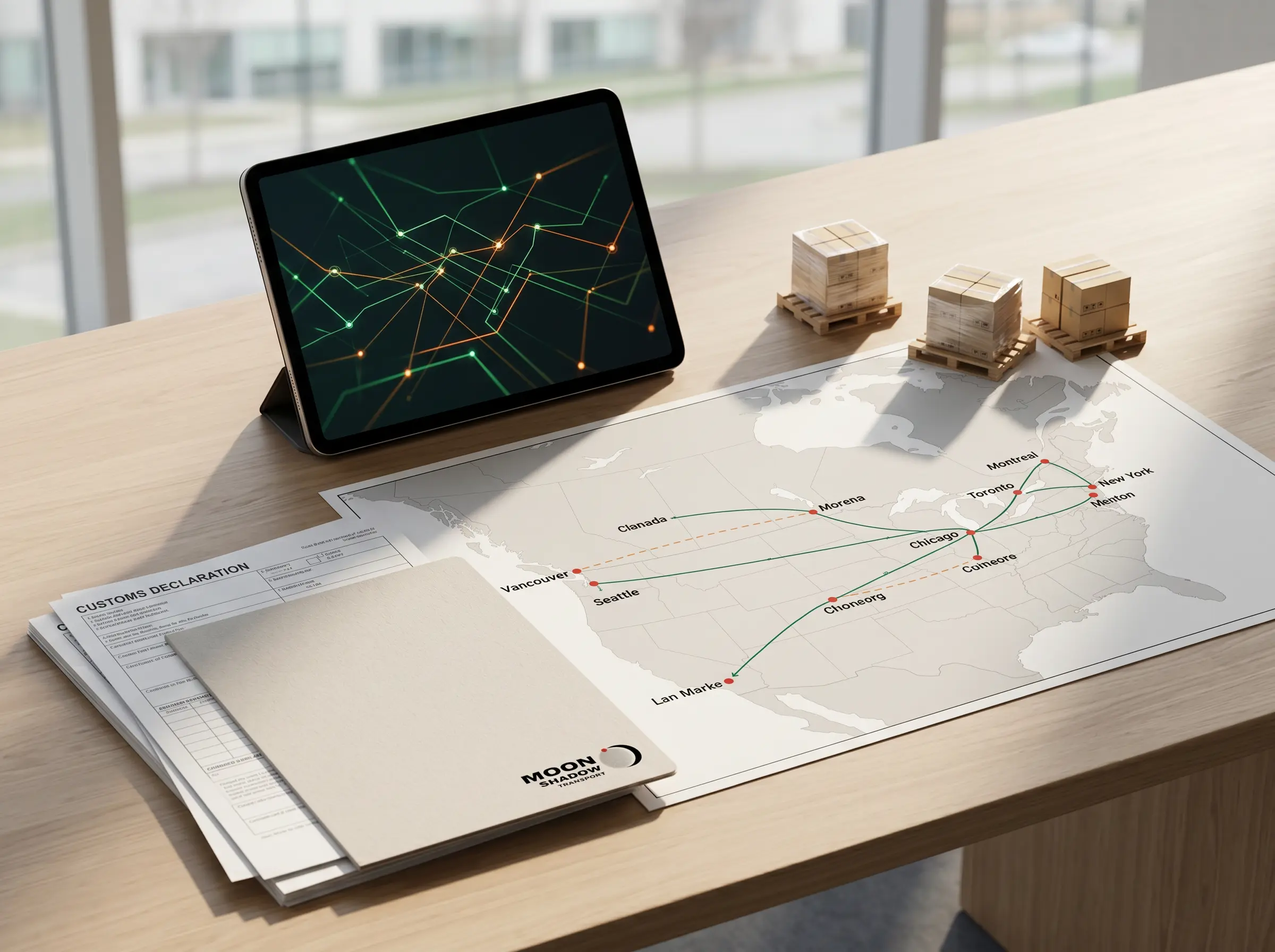
Managing Import and Export Procedures
International freight logistics requires coordination between exporters, importers, carriers, and customs authorities. Freight forwarders help organize these interactions and ensure all required procedures are completed correctly.
This coordination improves shipment flow and supports more predictable delivery timelines.
Reducing Border-Related Shipping Delays
Many international shipping delays result from documentation errors or customs compliance issues. Freight forwarders help minimize these risks by reviewing paperwork, monitoring shipment status, and coordinating customs activities before freight reaches the border.
Proactive planning helps improve transportation reliability and operational efficiency.
Common Challenges in International Freight
Cross-Border Freight Forwarding helps businesses manage many of the complexities associated with international shipping, but global freight movement still presents a variety of operational challenges. Understanding these obstacles allows organizations to plan more effectively and reduce supply chain disruptions.
Successful international freight logistics depends on preparation, coordination, and regulatory compliance.
Documentation and Regulatory Complexities
International shipments often require extensive paperwork and must comply with regulations in multiple jurisdictions. Missing documents, inaccurate cargo information, or changing trade requirements can create delays and additional administrative work.
Freight forwarding services help businesses manage these complexities through structured documentation processes and compliance support.
Customs Delays and Compliance Issues
Customs inspections, regulatory reviews, and incomplete declarations are common causes of shipping delays. Even minor documentation errors can result in freight being held for additional processing.
Customs coordination is critical for reducing border-related disruptions and maintaining shipment schedules.
Capacity Constraints and Transportation Disruptions
Transportation capacity can fluctuate due to seasonal demand, economic conditions, weather events, labor shortages, or infrastructure challenges. These factors may affect freight availability and transit times.
International freight logistics providers must maintain flexible planning strategies to adapt to changing market conditions.
Managing Risk in International Freight Logistics
Cross-border shipping involves operational, financial, and compliance-related risks. Businesses must manage potential delays, transportation disruptions, customs issues, and supply chain uncertainty.
Cross-Border Freight Forwarding providers help reduce these risks through planning, communication, and coordinated logistics management.
Choosing a Freight Forwarding Partner
Selecting the right provider for Cross-Border Freight Forwarding is a critical decision for businesses that depend on international freight movement. An experienced freight forwarder can improve logistics efficiency, reduce compliance risks, and provide greater visibility throughout the shipping process.
The quality of a freight forwarding partner often has a direct impact on supply chain performance.
Evaluating Experience and Industry Expertise
Businesses should assess a provider’s experience with international freight logistics, customs coordination, and cross-border transportation. A freight forwarder with proven expertise is better equipped to handle complex shipping requirements and changing regulatory environments.
Industry knowledge helps improve planning accuracy and operational reliability.
Network Strength and Logistics Capabilities
Strong transportation networks and established logistics partnerships allow freight forwarders to coordinate shipments more effectively. Access to reliable carriers, customs resources, and distribution networks supports smoother freight movement.
Cross-Border Freight Forwarding providers with extensive networks can often offer greater flexibility and transportation options.
Communication, Visibility, and Customer Support
Shipment visibility and clear communication are essential for successful freight management. Businesses benefit from freight forwarding partners that provide tracking capabilities, proactive updates, and responsive customer support.
Strong communication helps organizations manage inventory, scheduling, and customer expectations more effectively.
Long-Term Value of Professional Freight Forwarding Services
Professional freight forwarders contribute more than shipment coordination. They help businesses optimize logistics processes, reduce administrative workload, and improve supply chain resilience over time.
Long-term partnerships often lead to more efficient operations and stronger transportation performance.
Frequently Asked Questions (FAQs)
What is freight forwarding?
Freight forwarding is the coordination and management of freight shipments across transportation networks and international borders.
How does freight forwarding differ from transportation?
Transportation refers to the physical movement of freight, while freight forwarding focuses on coordinating logistics, documentation, customs, and shipment planning.
When should businesses use freight forwarding services?
Businesses often use freight forwarding when managing international shipments, complex logistics requirements, or cross-border freight operations.
Do freight forwarders handle customs paperwork?
Yes. Freight forwarders commonly assist with freight documentation, customs coordination, and regulatory compliance processes.
What are the benefits of freight forwarding?
Benefits include improved logistics coordination, reduced administrative burden, customs support, shipment visibility, and more efficient freight movement.
How are freight forwarding costs calculated?
Costs vary based on shipment size, transportation mode, route complexity, customs requirements, handling services, and overall logistics coordination needs.
Managing international freight involves more than transportation alone. Successful cross-border shipping depends on accurate documentation, customs coordination, carrier management, and clear communication across every stage of the supply chain.
Whether you’re shipping between Canada and the United States or managing broader international logistics operations, the right freight forwarding partner can help simplify complexity and keep your freight moving efficiently.
Connect with our team to explore freight forwarding solutions tailored to your business requirements.
Conclusion
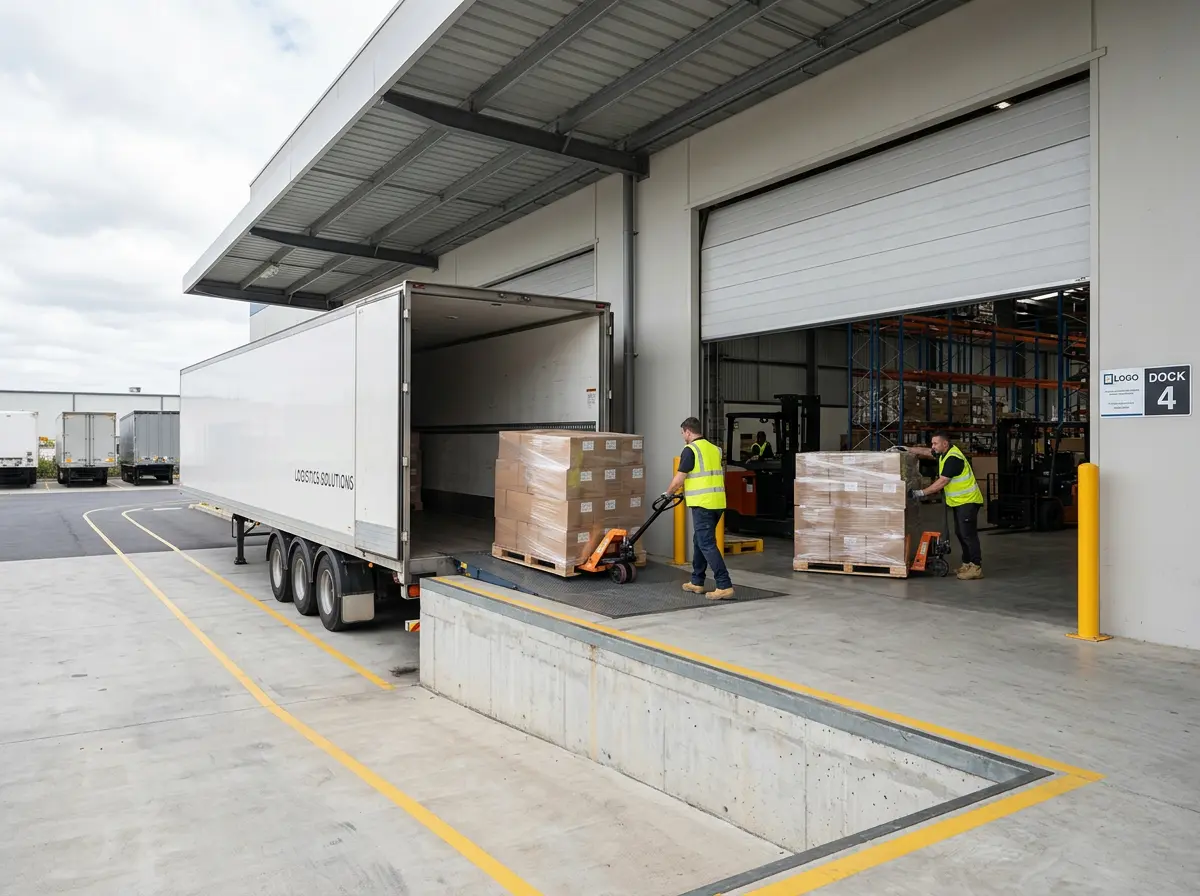
Cross-Border Freight Forwarding provides businesses with the expertise and coordination needed to move freight efficiently through international supply chains. By managing transportation planning, customs coordination, freight documentation, and logistics communication, freight forwarders help simplify complex shipping operations.
For organizations engaged in international trade, partnering with experienced providers of Cross-Border Freight Forwarding services can improve shipping reliability, reduce compliance risks, and support long-term supply chain efficiency across global markets.
source=>click






No comment