

Introduction
What is less than truckload transportation? This is one of the most common questions businesses ask when looking for cost-effective freight solutions. Less than truckload freight, often referred to as LTL shipping, is a transportation model that allows multiple shipments from different businesses to share space within the same trailer.
Unlike full truckload shipping, where a single customer occupies the entire trailer, LTL shipping Canada networks combine smaller shipments into one transport route. This shared freight transport approach helps businesses reduce shipping costs while still maintaining reliable delivery service across regional and national freight corridors.
LTL freight carriers coordinate the consolidation, routing, and delivery of freight through structured logistics networks. By maximizing trailer utilization, businesses only pay for the space they use rather than funding an entire truck. This makes less than truckload freight particularly attractive for companies shipping palletized goods, recurring inventory, or moderate shipment volumes.
Partial truckload shipping may also serve as an alternative in some situations, but LTL transportation remains one of the most flexible and widely used freight models for small and medium-sized commercial shipments.
For businesses seeking efficiency, scalability, and cost control, understanding what is less than truckload transportation is an important step toward selecting the right freight solution for their supply chain operations.
How Less Than Truckload Shipping Works
To understand what is less than truckload transportation, it is important to look at how LTL freight moves through a shared transportation network. Less than truckload freight is designed for shipments that do not require a full trailer but are too large for parcel shipping.
This model allows businesses to share transportation resources while maintaining reliable freight movement.
Definition of Less Than Truckload Freight

Less than truckload freight refers to shipments that occupy only a portion of a trailer’s available capacity. Instead of dedicating an entire truck to one customer, LTL freight carriers consolidate freight from multiple shippers into a single transport route.
This shared freight transport structure helps maximize efficiency and reduce transportation costs.
How Shared Freight Transport Operates
LTL shipping Canada networks collect shipments from different businesses and consolidate them at freight terminals. Cargo is grouped according to destination regions and delivery routes before being loaded for transport.
Shared freight transport improves trailer utilization while maintaining structured delivery schedules.
Role of LTL Freight Carriers in Shipment Coordination
LTL freight carriers manage route planning, freight consolidation, shipment tracking, and delivery coordination. Their role is to ensure freight moves efficiently through terminal networks while maintaining visibility and scheduling consistency.
Less than truckload freight operations rely on careful logistics coordination to balance cost efficiency with reliable service.
The Benefits of LTL Freight Services
Understanding what is less than truckload transportation becomes easier when evaluating the advantages it provides to businesses. Less than truckload freight is widely used because it offers a balance between cost efficiency, flexibility, and reliable transportation performance.
For many companies, LTL shipping Canada networks provide an effective alternative to full truckload transport.
Cost Savings Through Shared Trailer Space
One of the primary benefits of shared freight transport is reduced shipping cost. Businesses only pay for the trailer space their shipment occupies rather than covering the cost of an entire trailer.
This makes less than truckload freight particularly attractive for companies with recurring shipments that do not require full truckload capacity.
Flexibility for Small and Medium-Sized Shipments
LTL freight carriers offer flexible capacity for businesses shipping moderate freight volumes. Companies can move inventory, commercial goods, and palletized products without waiting to accumulate enough freight for a full trailer.
This flexibility helps businesses respond more quickly to changing operational requirements.
Advantages of LTL Shipping Canada Networks
LTL shipping Canada systems provide extensive freight coverage across regional and national transport corridors. Structured route networks allow businesses to access reliable transportation without maintaining dedicated trucking resources.
Less than truckload freight also supports scalability, enabling organizations to adjust shipment volume as business needs evolve.
LTL vs Full Truckload Shipping
When evaluating what is less than truckload transportation, it is important to compare it with full truckload (FTL) shipping. Both freight models serve different operational needs and offer distinct advantages depending on shipment size, urgency, and transportation requirements.
Selecting the right model helps businesses balance cost, efficiency, and delivery performance.
Key Differences Between LTL and FTL Transportation
Less than truckload freight combines shipments from multiple customers into a shared trailer, while full truckload shipping dedicates the entire trailer to a single shipment.
LTL freight carriers focus on maximizing trailer utilization through shared freight transport, whereas FTL services prioritize direct routing and dedicated capacity.
Cost, Capacity, and Transit Considerations
LTL shipping Canada services generally offer lower transportation costs for smaller shipments because expenses are shared among multiple shippers. However, transit times may be longer due to freight consolidation and terminal transfers.
Full truckload shipping typically provides faster delivery and reduced handling but is often more expensive for businesses that do not require full trailer capacity.
When Partial Truckload Shipping May Be an Alternative
Partial truckload shipping can serve as a middle-ground solution between LTL and FTL transport. It is often used when shipments are larger than standard LTL freight but still do not require a full trailer.
Businesses may choose partial truckload shipping when they want fewer handling points while maintaining cost efficiency.
When Businesses Should Use LTL Transportation
Understanding what is less than truckload transportation also means knowing when it is the most effective shipping option. Less than truckload freight is ideal for businesses that need flexible transportation capacity without the expense of a dedicated trailer.
LTL shipping Canada networks are designed to support recurring commercial shipments, moderate freight volumes, and cost-conscious logistics strategies.
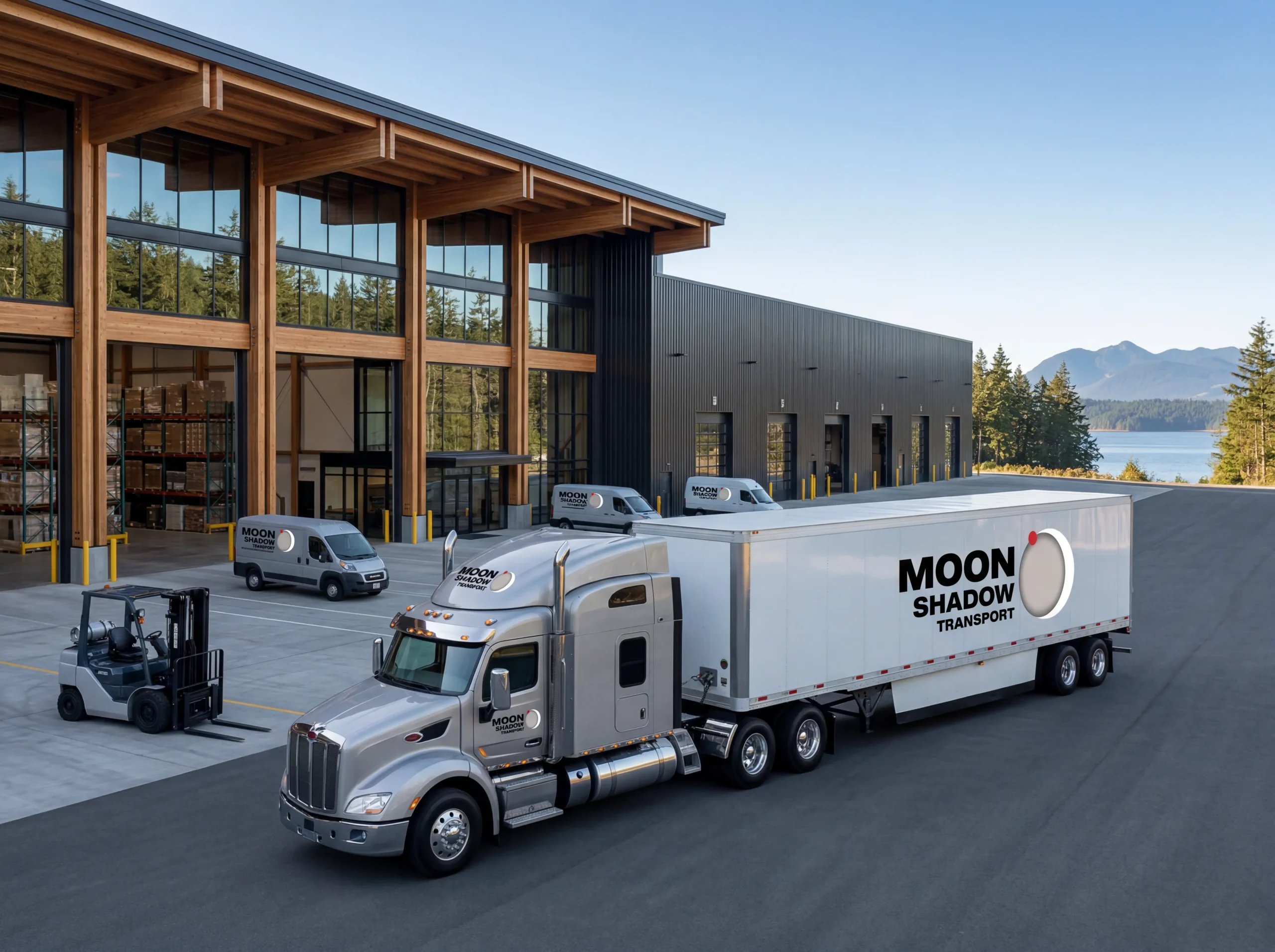
Shipment Sizes Best Suited for LTL Freight
LTL transportation is generally best for shipments that occupy only a portion of a trailer. Businesses moving palletized goods, inventory replenishment orders, or recurring commercial freight often benefit from shared freight transport.
Using LTL freight carriers allows companies to move cargo efficiently without waiting to accumulate enough volume for full truckload shipping.
Industries That Commonly Use Less Than Truckload Freight
Retail, manufacturing, wholesale distribution, industrial supply chains, and e-commerce businesses frequently use less than truckload freight. These industries often require consistent shipment movement while controlling transportation expenses.
LTL shipping Canada services provide the flexibility needed to support changing inventory and delivery requirements.
Operational Scenarios Where LTL Provides Value
Businesses often choose LTL transportation when shipment frequency is high but individual shipment volume is moderate. Shared freight transport is also valuable when companies require access to broad transportation networks without maintaining dedicated logistics resources.
For many organizations, LTL freight carriers provide an efficient balance between service reliability and cost control.




No comment