
Cross Border Freight Canada–USA supported by advanced logistics headquarters and integrated freight management operations

Cross-Border Freight Canada–USA solutions rely on modern logistics infrastructure, real-time visibility, and coordinated transportation networks.


Table of Contents

Introduction

Cross-Border Freight Canada–USA is one of the most important transportation sectors in North America, supporting the movement of commercial goods between two highly integrated economies. Every day, thousands of shipments cross the border, helping businesses maintain inventory levels, support production schedules, and deliver products to customers across regional and international markets.

Canada USA freight shipping plays a critical role in industries such as manufacturing, retail distribution, agriculture, construction, automotive supply chains, and industrial operations. As trade volumes continue to grow, businesses increasingly rely on efficient cross-border freight services to maintain operational continuity and competitive advantage.

Unlike domestic transportation, cross-border shipping involves additional regulatory and logistical requirements. International trucking services must coordinate customs procedures, documentation, border inspections, and compliance regulations while maintaining efficient delivery schedules. Shipping Canada to USA and shipping USA to Canada operations require detailed planning to reduce delays and ensure smooth freight movement.

Cross-border transportation companies provide the expertise and infrastructure necessary to manage these complexities. Through route planning, customs coordination, and freight visibility systems, they help businesses move cargo efficiently across international trade corridors.

For organizations involved in North American commerce, understanding how Cross-Border Freight Canada–USA works is essential for improving supply chain performance, reducing transportation risks, and maintaining reliable commercial freight movement.

How Cross-Border Freight Transportation Works

Cross-Border Freight Canada–USA involves a structured transportation process that moves commercial cargo between two countries while meeting customs, regulatory, and logistical requirements. Unlike domestic freight movement, international shipments require additional coordination to ensure goods cross the border efficiently and legally.

Successful Canada USA freight shipping depends on planning, documentation, and reliable transportation execution.

Understanding Cross-Border Freight Canada–USA Operations

Cross-border freight begins with shipment preparation, where cargo details, documentation requirements, and delivery timelines are established. Freight is then transported through designated trade corridors toward approved border crossings.

Cross-border freight services coordinate all stages of movement to maintain visibility and ensure shipments remain compliant throughout transit.

The Role of International Trucking Services

International trucking services are the primary transportation method for many commercial shipments moving between Canada and the United States. These providers manage route planning, carrier coordination, and border scheduling while ensuring freight reaches its destination efficiently.

Shipping Canada to USA and shipping USA to Canada operations rely heavily on experienced trucking providers familiar with international freight requirements.

Cross-Border Freight Canada–USA container transportation and port logistics near the Pacific coastline
Cross-Border Freight Canada–USA networks often combine trucking, warehousing, and port operations to support seamless cargo movement.

Freight Movement From Origin to Final Delivery

Once freight reaches the border, customs clearance procedures are completed before cargo continues to its final destination. Cross-border transportation companies monitor the shipment throughout this process to reduce delays and maintain delivery accuracy.

Efficient coordination between carriers, customs brokers, and businesses ensures smooth freight movement from pickup through final delivery.

Common Freight Routes Between Canada and the USA

Cross-Border Freight Canada–USA moves through a network of major trade corridors that connect manufacturing centers, ports, warehouses, and distribution hubs across both countries. These routes support millions of tons of commercial cargo each year and are essential to maintaining efficient North American supply chains.

Reliable Canada USA freight shipping depends on selecting the right corridors, border crossings, and transportation networks.

Major Western Canada–USA Trade Corridors

Western trade routes connect British Columbia, Alberta, and other western provinces with major U.S. markets in Washington, Oregon, California, and the broader Pacific Northwest. These corridors support retail distribution, industrial freight, agriculture, and manufacturing supply chains.

Cross-border freight services operating in Western Canada frequently move cargo through highly active commercial trade routes linked to Vancouver, Calgary, Seattle, and surrounding logistics hubs.

Ontario and Eastern Canada Freight Routes

Ontario serves as one of the busiest freight gateways between Canada and the United States. Trade corridors connect Toronto and surrounding industrial regions with major U.S. markets in Michigan, Ohio, New York, and Pennsylvania.

Shipping Canada to USA operations through Eastern Canada support automotive manufacturing, consumer goods distribution, industrial equipment transport, and wholesale supply chains.

Key Border Crossings Used for Commercial Freight

Commercial freight commonly moves through major border crossings that offer customs processing infrastructure and high-volume freight capacity. These crossings are critical to maintaining efficient international trucking services and minimizing transportation delays.

Cross-border transportation companies carefully select routes based on shipment destination, border congestion levels, and delivery requirements.

Shipping Canada to USA and Shipping USA to Canada Networks

Both shipping Canada to USA and shipping USA to Canada operations rely on interconnected transportation networks that include trucking corridors, distribution centers, customs facilities, and regional freight hubs.

Cross-Border Freight Canada–USA providers coordinate these networks to ensure freight moves efficiently from origin to destination while maintaining compliance with international trade requirements.

Customs, Documentation, and Compliance

Cross-Border Freight Canada–USA depends heavily on accurate documentation and regulatory compliance. Even when transportation is efficient, shipments cannot cross the border successfully without meeting customs requirements established by both countries.

Proper preparation is essential for maintaining smooth Canada USA freight shipping operations and avoiding unnecessary delays.

Required Paperwork for Canada USA Freight Shipping

Cross-border shipments generally require commercial invoices, bills of lading, packing lists, customs declarations, and other supporting documents depending on the type of cargo being transported.

Cross-border freight services ensure documentation is completed accurately and submitted on time to facilitate efficient border processing.

Customs Clearance and Border Inspection Procedures

When freight arrives at a border crossing, customs authorities review shipment information and may conduct inspections to verify cargo details. The purpose is to ensure compliance with import and export regulations while protecting trade security.

International trucking services coordinate closely with customs brokers and regulatory agencies to streamline clearance procedures.

Regulatory Compliance and Freight Classification

Cargo must be properly classified and declared according to applicable customs and trade regulations. Incorrect classification or incomplete information can result in shipment holds, additional inspections, or financial penalties.

Cross-border transportation companies help businesses manage compliance requirements and reduce administrative risk.

Working With Cross-Border Transportation Companies

Experienced transportation providers understand customs processes, documentation standards, and regulatory expectations. Their expertise helps businesses navigate complex border procedures more efficiently.

Cross-Border Freight Canada–USA operations are significantly more reliable when supported by providers with established customs and compliance experience.

Cross-Border Freight Canada–USA supported by advanced logistics headquarters and integrated freight management operations
Cross-Border Freight Canada–USA solutions rely on modern logistics infrastructure, real-time visibility, and coordinated transportation networks.

Challenges in Cross-Border Shipping

Cross-Border Freight Canada–USA involves many moving parts, and even well-planned shipments can face operational challenges. Businesses that understand these risks are better prepared to minimize disruptions and maintain efficient freight movement between Canada and the United States.

Successful Canada USA freight shipping depends on proactive planning and strong logistics coordination.

Border Congestion and Inspection Delays

High freight volumes, security procedures, and customs inspections can create delays at major border crossings. During peak periods, congestion may increase wait times and affect delivery schedules.

Cross-border freight services often monitor border conditions and adjust routing strategies to reduce the impact of congestion.

Documentation and Compliance Errors

Incorrect paperwork remains one of the most common causes of shipping delays. Missing documents, inaccurate cargo descriptions, or customs classification errors can result in additional reviews and shipment holds.

Cross-border transportation companies help reduce these risks through structured compliance management and documentation review.

Capacity Fluctuations and Transportation Disruptions

Freight capacity can vary due to seasonal demand, economic conditions, weather events, or supply chain disruptions. These factors may affect equipment availability and transit timelines.

International trucking services must maintain flexible planning to respond to changing transportation conditions.

Managing Risk in Cross-Border Freight Services

Businesses involved in shipping Canada to USA and shipping USA to Canada operations face risks related to compliance, timing, and transportation reliability. Effective risk management includes proper documentation, route planning, communication, and contingency strategies.

Cross-Border Freight Canada–USA providers help businesses navigate these challenges while maintaining operational continuity.

Why Businesses Choose Professional Cross-Border Freight Services

Businesses involved in Cross-Border Freight Canada–USA often rely on specialized transportation providers because international freight movement requires more than simply moving cargo from one location to another. Professional freight partners help manage compliance, customs coordination, routing, and delivery performance across international trade corridors.

Their expertise reduces complexity and improves overall supply chain reliability.

RECOMMENDED FOR YOU

How Cross-Border Shipping Between Canada and the USA Actually Works

Let’s keep it simple:

You might also like…

Improving Shipping Reliability and Delivery Performance

Professional cross-border freight services provide structured transportation systems designed to maintain consistent delivery schedules. Through route planning, shipment monitoring, and coordinated logistics execution, businesses gain greater visibility and control over freight movement.

Reliable Canada USA freight shipping helps organizations maintain inventory flow and meet customer expectations.

Reducing Customs and Compliance Risks

Customs regulations and documentation requirements can be complex. Experienced providers help businesses avoid common compliance errors that may lead to delays, inspections, or penalties.

Cross-border transportation companies streamline customs procedures and support accurate shipment preparation before freight reaches the border.

Benefits of Experienced Cross-Border Transportation Companies

Experienced providers understand trade corridors, border procedures, and transportation regulations. Their operational knowledge improves freight planning and helps businesses respond effectively to changing shipping conditions.

International trucking services supported by experienced logistics teams can significantly improve freight efficiency and predictability.

Supporting Long-Term North American Supply Chains

Cross-border trade is a long-term requirement for many organizations operating across Canada and the United States. Professional freight providers help businesses build scalable transportation strategies that support growth and supply chain stability.

Cross-Border Freight Canada–USA services become a strategic advantage when integrated into broader logistics planning.

Frequently Asked Questions (FAQs)

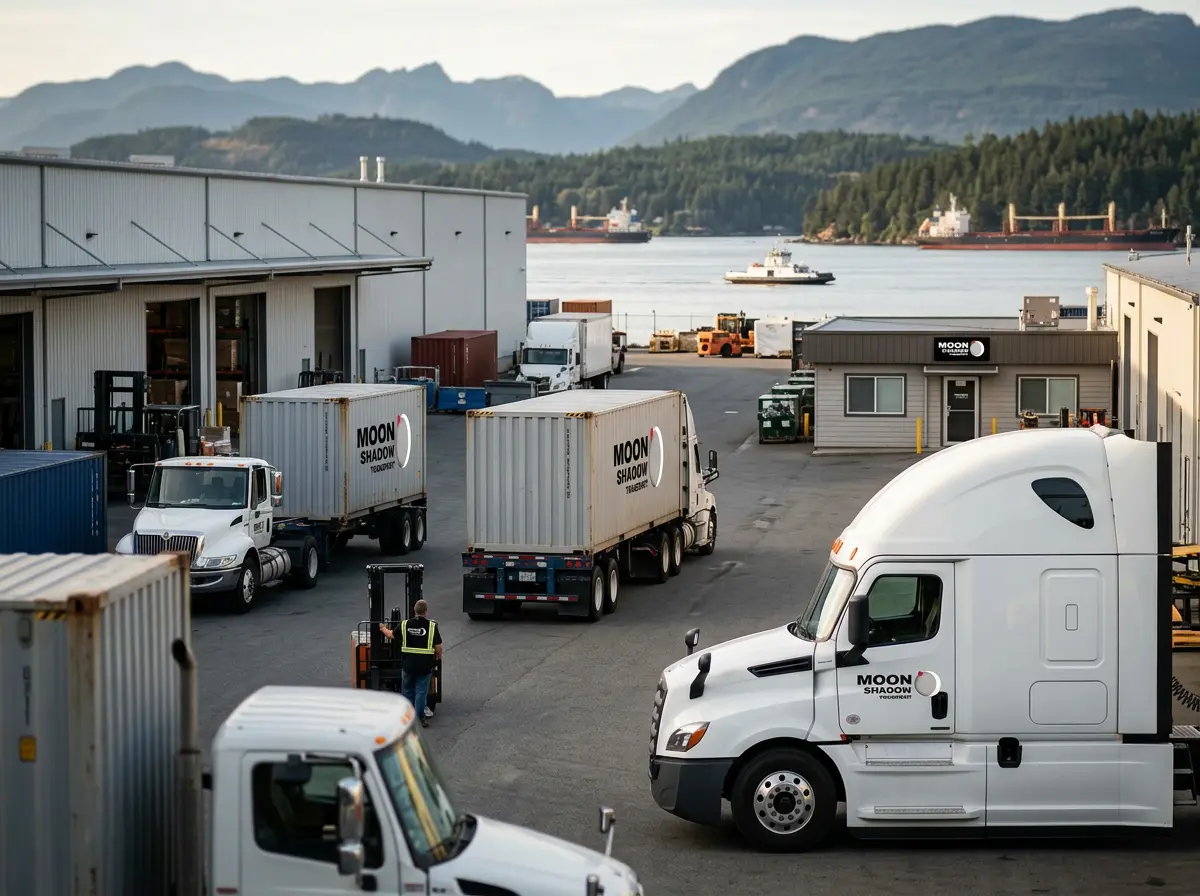
Cross-Border Freight Canada–USA fleet operations inside a modern transportation and distribution facility
Efficient fleet management plays a critical role in supporting reliable Cross-Border Freight Canada–USA transportation services.

What Is Cross-Border Freight Transportation?

One of the most common questions businesses ask is what Cross-Border Freight Canada–USA transportation actually involves. Cross-border freight transportation refers to the movement of commercial goods between Canada and the United States while complying with customs regulations, documentation requirements, import/export laws, and international transportation standards.

Unlike domestic freight movement, Cross-Border Freight Canada–USA operations require coordination between carriers, customs brokers, government agencies, warehouses, and logistics providers. Every shipment must pass through customs clearance procedures before entering the destination country.

Businesses across manufacturing, retail, agriculture, construction, automotive, and industrial sectors depend on Cross-Border Freight Canada–USA services to maintain inventory flow, support production schedules, and serve customers across North America.

Professional providers of Cross-Border Freight Canada–USA solutions manage transportation planning, customs coordination, regulatory compliance, and freight visibility to ensure cargo moves efficiently throughout the international shipping process.

How Long Does Freight Shipping Between Canada and the USA Take?

Transit times for Cross-Border Freight Canada–USA shipments vary depending on multiple operational factors. While some shipments may reach their destination within a few days, others may require additional transit time depending on route length, customs processing, freight type, and border conditions.

Several factors influence delivery timelines for Cross-Border Freight Canada–USA, including:

  • Pickup and delivery locations
  • Distance traveled
  • Border crossing selection
  • Customs clearance requirements
  • Freight classification
  • Weather conditions
  • Highway and infrastructure conditions
  • Carrier scheduling

For example, freight moving between major trade corridors such as Vancouver–Seattle, Toronto–Detroit, or Montreal–New York may move more quickly than shipments traveling to remote destinations.

Efficient Cross-Border Freight Canada–USA operations rely heavily on route optimization, customs preparation, and coordinated scheduling. Businesses that provide complete shipment information and prepare documentation in advance often experience more predictable delivery timelines and fewer border-related disruptions.

What Paperwork Is Required for Cross-Border Freight?

Documentation is one of the most important components of successful Cross-Border Freight Canada–USA operations. Customs authorities in both countries require specific paperwork to verify cargo information, assess duties and taxes when applicable, and ensure compliance with trade regulations.

Common documents used in Cross-Border Freight Canada–USA shipments include:

  • Commercial invoices
  • Bills of lading
  • Packing lists
  • Customs declarations
  • Certificates of origin
  • Import/export permits when required
  • Regulatory certifications for specialized cargo

Accurate documentation helps customs officials process shipments efficiently and reduces the risk of delays or inspections.

Providers specializing in Cross-Border Freight Canada–USA services often review shipment documentation before freight reaches the border to ensure compliance with customs requirements. This proactive approach improves clearance efficiency and helps maintain consistent freight movement.

Because regulations may vary depending on cargo type, businesses involved in Cross-Border Freight Canada–USA should work with experienced transportation and customs professionals to ensure all documentation requirements are met correctly.

What Causes Delays at the Border?

Although modern Cross-Border Freight Canada–USA systems are highly organized, several factors can still contribute to delays during transit.

Some of the most common causes of border delays include:

  • Incomplete documentation
  • Incorrect freight classification
  • Customs inspections
  • Border congestion
  • Security screening procedures
  • Regulatory compliance issues
  • Capacity constraints at border crossings
  • Weather-related disruptions

Documentation errors remain one of the leading causes of delays in Cross-Border Freight Canada–USA operations. Even minor discrepancies between shipping documents can trigger additional customs reviews or inspection procedures.

High freight volume can also affect border processing times, particularly during peak shipping periods when commercial traffic increases significantly.

Professional Cross-Border Freight Canada–USA providers help reduce these risks through advanced planning, customs coordination, shipment verification, and proactive communication with customs agencies and transportation partners.

Businesses that invest in organized freight planning often experience fewer delays and more reliable international transportation performance.

Cross-Border Freight Canada–USA managed through automated warehouse systems and smart logistics technology
Technology-driven facilities help streamline Cross-Border Freight Canada–USA operations by improving efficiency, accuracy, and shipment visibility.

What Types of Freight Move Between Canada and the USA?

A wide variety of cargo moves through Cross-Border Freight Canada–USA networks every day, supporting commercial activity across both countries.

Common freight categories include:

  • Manufactured products
  • Retail inventory
  • Consumer goods
  • Industrial equipment
  • Construction materials
  • Agricultural products
  • Food and beverage shipments
  • Automotive components
  • Packaging materials
  • Medical and healthcare supplies
  • Machinery and replacement parts

Manufacturing supply chains are particularly dependent on Cross-Border Freight Canada–USA transportation because production facilities often source materials and components from both countries.

Retailers also rely heavily on Cross-Border Freight Canada–USA services to replenish inventory and maintain product availability across distribution networks.

Because each cargo category may have unique transportation and compliance requirements, experienced logistics providers tailor freight solutions based on shipment characteristics and operational needs.

How Can Businesses Improve Cross-Border Shipping Efficiency?

Improving efficiency in Cross-Border Freight Canada–USA operations requires a combination of preparation, coordination, compliance management, and strategic logistics planning.

Businesses can improve freight performance by:

  • Preparing accurate documentation
  • Classifying freight correctly
  • Planning shipments early
  • Selecting experienced transportation partners
  • Monitoring shipment visibility
  • Coordinating customs requirements in advance
  • Optimizing routing and scheduling
  • Maintaining clear communication across supply chain partners

One of the most effective ways to improve Cross-Border Freight Canada–USA performance is by working with experienced providers that understand customs regulations, border procedures, and international freight coordination.

Advanced tracking systems and real-time shipment visibility tools also help businesses monitor cargo movement and respond quickly to changing conditions.

Organizations that invest in structured Cross-Border Freight Canada–USA planning often achieve:

  • Faster border clearance
  • Improved delivery consistency
  • Reduced transportation risk
  • Better inventory management
  • Stronger customer service performance
  • More reliable supply chain operations

Cross-border freight success depends on more than transportation alone. Efficient customs coordination, accurate documentation, and reliable logistics planning all play a critical role in keeping freight moving smoothly between Canada and the United States.
Whether you're managing recurring commercial shipments, supply chain distribution, or time-sensitive cargo, the right transportation partner can help reduce delays and improve operational efficiency across every stage of the shipping process.

Connect with our team to explore dependable cross-border freight solutions built around your business requirements.

Conclusion

Cross-Border Freight Canada–USA is a fundamental component of North American commerce, supporting the continuous movement of goods between two highly interconnected economies. From manufacturing supply chains and retail distribution networks to industrial operations and commercial trade, efficient international freight transportation helps businesses maintain inventory flow, operational continuity, and customer satisfaction.

Successful Cross-Border Freight Canada–USA operations depend on accurate documentation, customs compliance, strategic route planning, and coordinated logistics management. Businesses that understand these requirements and work with experienced transportation providers are better positioned to minimize delays, reduce shipping risks, and improve overall freight performance.

As international trade continues to expand, investing in reliable Cross-Border Freight Canada–USA solutions provides organizations with greater operational flexibility, stronger supply chain resilience, and the transportation infrastructure needed to support long-term growth across Canada and the United States.

source=>click

No comment

Leave a Reply

Your email address will not be published. Required fields are marked *