
Table of Contents
ToggleIntroduction
Cross-Border LTL Shipping provides businesses with a cost-effective way to move freight between Canada and the United States without paying for an entire trailer. For companies shipping smaller loads, less than truckload shipping offers a practical solution by combining freight from multiple shippers into a shared transportation network.
Unlike full truckload transport, LTL freight Canada USA services allow businesses to pay only for the trailer space they use. This makes cross-border shipping more affordable while still providing access to reliable transportation routes, customs processing, and coordinated freight movement across international trade corridors.
Shared trailer freight plays a central role in this transportation model. Multiple shipments are consolidated into a single trailer, maximizing capacity utilization and reducing overall transportation costs. Through structured cross-border logistics systems, freight providers coordinate routing, customs clearance, and delivery scheduling to maintain efficient operations.
Partial freight shipping is widely used by manufacturers, distributors, wholesalers, retailers, and industrial businesses that require regular freight movement but do not generate enough volume to fill a dedicated trailer. As a result, Cross-Border LTL Shipping has become an important component of modern North American supply chains.
For businesses seeking flexibility, scalability, and transportation efficiency, understanding how Cross-Border LTL Shipping works is essential for making informed logistics decisions and controlling shipping costs.
What Cross-Border LTL Shipping Means
Cross-Border LTL Shipping refers to the transportation of smaller freight shipments between Canada and the United States through a shared trailer network. Instead of dedicating an entire trailer to one customer, multiple shipments are consolidated into the same load, allowing businesses to reduce transportation costs while maintaining access to international freight services.
This model is widely used by companies that need regular shipping capacity without the expense of full truckload transport.
Definition of Cross-Border LTL Shipping
Cross-Border LTL Shipping is a form of less than truckload shipping where freight moves across international borders as part of a consolidated transportation network. Multiple shippers share trailer space, and each customer pays only for the portion of capacity their freight occupies.
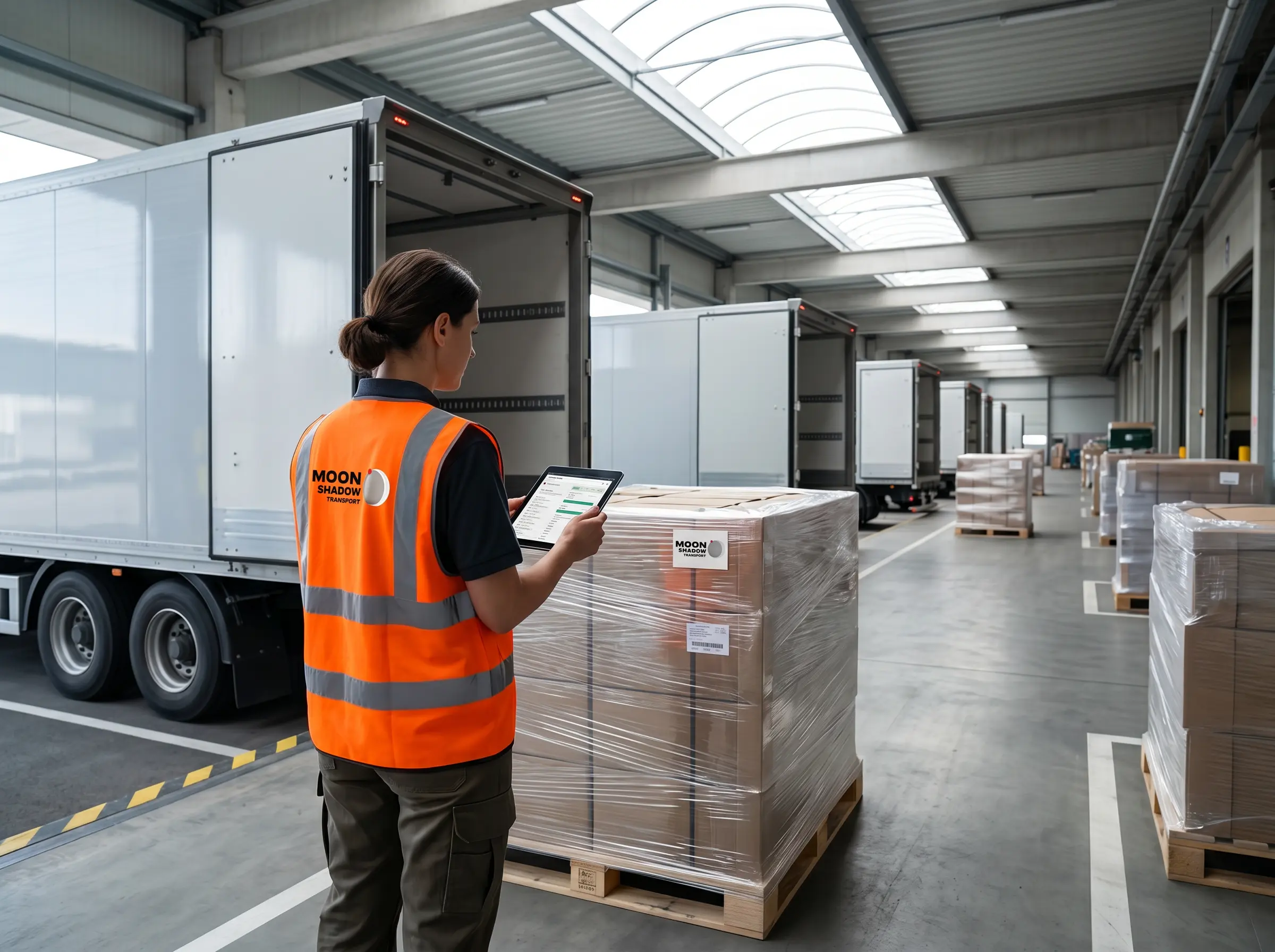
This approach supports efficient freight movement while helping businesses control shipping expenses.
How Less Than Truckload Shipping Supports International Freight
Less than truckload shipping allows businesses to move smaller freight volumes without waiting to accumulate enough cargo for a dedicated trailer. This flexibility helps organizations maintain inventory flow and meet delivery requirements more consistently.
LTL freight Canada USA networks provide access to established transportation corridors and cross-border logistics infrastructure.
The Role of Cross-Border Logistics in Shared Freight Movement
Cross-border logistics coordinates shipment consolidation, customs clearance, freight routing, and delivery scheduling. These systems ensure that shared trailer freight moves efficiently through both Canadian and U.S. transportation networks.
Effective logistics coordination helps maintain reliability while supporting cost-efficient partial freight shipping solutions.
How LTL Freight Consolidation Works
Cross-Border LTL Shipping relies on a consolidation process that combines multiple shipments into a shared transportation network. This approach allows freight providers to maximize trailer utilization while offering businesses an economical solution for international shipping.
The efficiency of less than truckload shipping depends on careful planning, freight coordination, and structured logistics operations.
Shipment Consolidation and Shared Trailer Freight
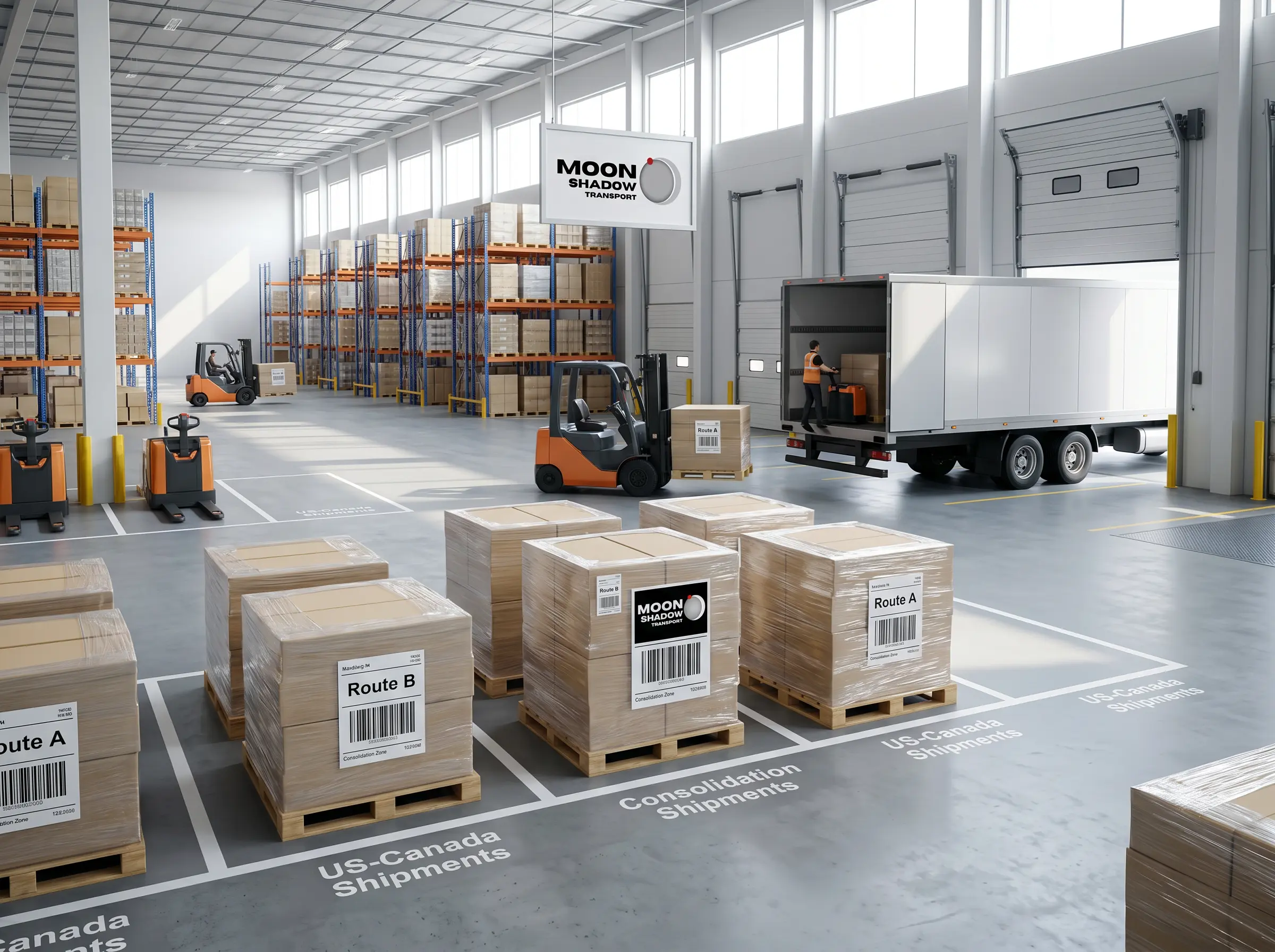
The process begins when freight from multiple businesses is collected and grouped according to destination, route, and delivery requirements. These shipments are then loaded into a shared trailer where space is allocated efficiently.
Shared trailer freight reduces transportation costs by spreading operational expenses across multiple shippers.
Freight Terminals and Route Coordination
LTL freight Canada USA networks use freight terminals to organize, sort, and transfer cargo between transportation routes. Terminals play a key role in maintaining shipment flow and ensuring freight reaches the correct destination.
Cross-border logistics providers coordinate routes carefully to optimize efficiency and minimize transit disruptions.
Customs Processing Within LTL Freight Canada USA Networks
Because shipments cross international borders, customs procedures are integrated into the consolidation process. Freight providers coordinate documentation, customs declarations, and compliance requirements before cargo reaches the border.
Proper customs management helps prevent delays and supports reliable Cross-Border LTL Shipping operations.
Delivery Scheduling and Final-Mile Distribution
Once freight clears customs, shipments are separated and routed toward their final delivery locations. Delivery schedules are coordinated to ensure each shipment reaches its destination according to planned timelines.
This structured approach allows partial freight shipping networks to maintain consistent service while handling multiple shipments simultaneously.

Benefits of Cross-Border LTL Shipping
Cross-Border LTL Shipping provides businesses with an efficient and cost-effective method of transporting freight between Canada and the United States without requiring the expense of dedicated truckload transportation. As supply chains become increasingly interconnected across North America, many organizations need freight solutions that balance transportation costs, operational flexibility, and reliable delivery performance. Cross-Border LTL Shipping addresses these needs by allowing multiple shippers to share trailer capacity while maintaining access to professional international freight networks. Unlike full truckload shipping, where one customer occupies an entire trailer, Cross-Border LTL Shipping consolidates shipments from multiple businesses into a shared transportation system. This approach allows companies to move moderate freight volumes across international borders while benefiting from reduced transportation costs and scalable logistics support. Businesses operating in manufacturing, retail, distribution, wholesale trade, healthcare, industrial supply, and e-commerce sectors frequently rely on Cross-Border LTL Shipping because it offers a practical solution for recurring inventory movement, palletized freight, and scheduled commercial shipments. By combining freight consolidation, customs coordination, and structured route planning, Cross-Border LTL Shipping supports efficient cargo movement across major Canada–USA trade corridors.Cost Savings Through Partial Freight Shipping
One of the most significant advantages of Cross-Border LTL Shipping is the ability to control transportation costs while maintaining access to reliable international freight services. Instead of paying for an entire trailer, businesses only pay for the space their shipment occupies. This shared-capacity model makes Cross-Border LTL Shipping particularly attractive for organizations shipping moderate freight volumes. Transportation expenses such as fuel, driver labor, equipment utilization, and operational infrastructure are distributed among multiple shippers, creating substantial cost efficiencies. For many companies, Cross-Border LTL Shipping provides a predictable and scalable transportation model that supports inventory movement without requiring the higher investment associated with full truckload shipping. Businesses can maintain regular freight movement between Canada and the United States while improving budget management and reducing logistics costs. Another important benefit is transportation accessibility. Smaller businesses that may not generate enough freight volume for dedicated truckload service can still participate in international trade through organized Cross-Border LTL Shipping networks.Flexible Capacity for Small and Medium-Sized Shipments
Many organizations ship freight volumes that fall between parcel shipping and full truckload requirements. In these situations, Cross-Border LTL Shipping offers an ideal solution by providing flexible trailer capacity tailored to shipment size. Businesses often experience fluctuations in shipping demand throughout the year. Seasonal inventory cycles, promotional campaigns, production schedules, and changing customer demand can all affect freight volume. Cross-Border LTL Shipping allows organizations to adjust transportation capacity without making major changes to their logistics infrastructure. Because freight is consolidated with shipments from other customers, businesses can continue moving inventory efficiently regardless of whether they are shipping a few pallets or larger recurring freight volumes. The flexibility of Cross-Border LTL Shipping is especially valuable for:- Retail inventory replenishment
- Manufacturing components
- Commercial products
- Distribution freight
- Industrial supplies
- E-commerce fulfillment operations
Scalable Transportation for Growing Businesses
As businesses expand their operations, transportation requirements often become more complex. Increased shipment volume, broader geographic coverage, and higher customer expectations all place additional pressure on logistics systems. Cross-Border LTL Shipping provides a scalable freight solution that can grow alongside business operations. Companies can increase shipping frequency, expand distribution coverage, and support new customer markets without completely restructuring their transportation strategy. Many growing businesses begin with smaller shipment volumes that fit naturally within Cross-Border LTL Shipping networks. As operations expand, these same logistics systems continue supporting freight movement while offering the flexibility needed to accommodate higher demand. This scalability makes Cross-Border LTL Shipping a valuable long-term transportation strategy for organizations seeking sustainable growth while maintaining efficient logistics operations.Improving Freight Efficiency Through Consolidation
Freight consolidation is one of the core strengths of Cross-Border LTL Shipping. By combining multiple shipments into shared trailer space, transportation providers maximize equipment utilization and reduce wasted capacity throughout their freight networks. Efficient consolidation improves:- Trailer utilization
- Route efficiency
- Fuel consumption
- Network productivity
- Operational sustainability
LTL vs Cross-Border FTL Freight
Businesses evaluating Cross-Border LTL Shipping frequently compare it with full truckload (FTL) transportation. While both shipping models support international freight movement between Canada and the United States, they serve different operational needs and transportation objectives. Understanding these differences helps organizations select the freight solution that best aligns with shipment volume, delivery timelines, and budget requirements.Key Differences Between LTL and Full Truckload Shipping
The primary difference between Cross-Border LTL Shipping and full truckload transportation lies in trailer utilization. Cross-Border LTL Shipping combines freight from multiple customers into a shared trailer environment, while FTL transportation dedicates the entire trailer to a single shipper. Because of this structure, Cross-Border LTL Shipping emphasizes cost efficiency and shared transportation resources, whereas FTL prioritizes direct movement, dedicated capacity, and reduced handling complexity. Each model provides distinct advantages depending on freight characteristics and operational priorities.Cost, Transit Time, and Capacity Comparisons
One reason many businesses choose Cross-Border LTL Shipping is lower transportation cost. Since expenses are distributed among multiple customers, shipping smaller freight volumes becomes significantly more economical. However, freight consolidation and terminal transfers may extend transit times compared to dedicated truckload transportation. FTL shipping typically offers:- Faster transit times
- Direct point-to-point delivery
- Reduced handling
- Dedicated trailer capacity
- Lower transportation costs
- Greater flexibility
- Shared trailer efficiency
- Scalable freight capacity
When Businesses Should Choose LTL Freight Canada USA Services
Cross-Border LTL Shipping is often the preferred choice when freight volumes are moderate, transportation budgets are important, and delivery schedules allow for consolidated freight movement. Typical situations where businesses choose Cross-Border LTL Shipping include:- Recurring inventory replenishment
- Palletized freight shipments
- Commercial distribution
- Manufacturing component transport
- Regional inventory transfers
Situations Where FTL Becomes the Better Option
While Cross-Border LTL Shipping offers numerous advantages, some situations are better suited to full truckload transportation. FTL often provides greater value when:- Freight occupies most of a trailer
- Delivery speed is critical
- Cargo requires minimal handling
- Shipments are highly time-sensitive
- Specialized equipment is required
Choosing the Right LTL Freight Partner
Selecting the right provider for Cross-Border LTL Shipping is critical for maintaining delivery reliability, customs compliance, and long-term logistics performance. Because international less-than-truckload transportation involves multiple handling points, freight terminals, and regulatory requirements, provider expertise has a direct impact on operational success.Evaluating Experience in Cross-Border Logistics
Experienced providers of Cross-Border LTL Shipping understand the complexities of Canada–USA freight movement. They possess knowledge of freight consolidation, customs procedures, border operations, and major trade corridors that support reliable transportation performance. Businesses should evaluate a provider’s track record handling Cross-Border LTL Shipping shipments, particularly within the specific industries and trade routes relevant to their operations.Customs Expertise and Compliance Management
Customs compliance is one of the most important components of successful Cross-Border LTL Shipping operations. Freight providers should demonstrate expertise in:- Customs documentation
- Freight classification
- Border clearance procedures
- Regulatory compliance
- Import/export requirements
Cross-Border Freight Canada–USA Reliable Transportation for Commercial Shipments
Let’s keep it simple:
You might also like..
Network Coverage and Freight Visibility
A dependable Cross-Border LTL Shipping provider should maintain strong transportation coverage, established terminal networks, and advanced freight visibility systems. These capabilities improve:- Shipment tracking
- Operational transparency
- Delivery forecasting
- Inventory planning
- Communication efficiency
Long-Term Value of Professional LTL Freight Providers
Professional providers of Cross-Border LTL Shipping deliver more than transportation capacity. They contribute logistics expertise, customs coordination, freight planning, and scalable transportation strategies that support long-term business growth. Organizations that establish strong partnerships with experienced Cross-Border LTL Shipping providers often benefit from:- Improved service consistency
- Better logistics planning
- Reduced transportation risk
- Enhanced customs efficiency
- Stronger supply chain performance

Frequently Asked Questions (FAQs)
What is cross-border LTL shipping?
Cross-Border LTL Shipping is a transportation method that combines freight from multiple shippers into a shared trailer moving between Canada and the United States.
How is LTL freight priced?
Pricing is generally based on shipment weight, dimensions, freight classification, route distance, and the amount of trailer space used.
What freight is suitable for LTL shipping?
Palletized goods, commercial inventory, industrial products, and moderate-volume shipments are commonly transported through LTL networks.
How long does cross-border LTL transport take?
Transit times vary depending on route distance, freight consolidation schedules, customs clearance, and delivery requirements.
When is LTL a better option than FTL?
LTL is often the better choice when shipment volume does not justify a full trailer and transportation cost efficiency is a priority.
How are customs handled for LTL freight?
Freight providers coordinate customs documentation, declarations, compliance procedures, and border processing before shipments cross into the destination country.
Cross-border shipping doesn’t have to come with the cost of dedicated truckload transportation. With the right LTL strategy, businesses can move freight efficiently across Canada and the United States while maintaining flexibility, controlling costs, and supporting long-term supply chain growth.
Whether you're shipping recurring inventory, palletized products, or commercial freight, our team can help you build a transportation solution that fits your volume and delivery requirements.
Connect with our logistics specialists to explore the right cross-border freight option for your business.
Conclusion
Cross-Border LTL Shipping provides businesses with a flexible and cost-effective way to move freight between Canada and the United States. By leveraging less than truckload shipping networks, companies can reduce transportation costs, optimize trailer utilization, and maintain reliable access to international freight services.
For organizations shipping smaller freight volumes across North America, partnering with experienced providers of Cross-Border LTL Shipping services helps improve efficiency, simplify customs coordination, and support long-term supply chain performance
source=>click






No comment