
Table of Contents
ToggleIntroduction
Cross-Border Shipping between Canada and the United States is one of the most important components of North American trade and supply chain operations. Every day, massive volumes of commercial freight move across the Canada–USA border, supporting industries such as manufacturing, retail distribution, agriculture, industrial supply, construction, automotive production, and wholesale commerce. Efficient Cross-Border Shipping systems allow businesses to maintain inventory flow, fulfill customer demand, and operate seamlessly across international markets.
The economic relationship between Canada and the United States depends heavily on organized freight movement across established transportation corridors. Businesses in both countries rely on reliable Cross-Border Shipping networks to transport raw materials, finished goods, industrial equipment, commercial inventory, and specialized cargo efficiently between suppliers, warehouses, production facilities, and distribution centers.
Unlike domestic transportation, however, Cross-Border Shipping introduces additional layers of operational complexity that require careful coordination and structured logistics management. Freight moving internationally must comply with customs regulations, import and export requirements, documentation procedures, and border security protocols enforced by both Canadian and U.S. authorities.
Because of these added requirements, businesses engaged in Cross-Border Shipping must balance operational efficiency with strict compliance standards. Delays caused by incomplete documentation, customs inspections, or scheduling misalignment can significantly affect delivery performance, production timelines, inventory management, and customer fulfillment operations.
To manage this complexity effectively, businesses rely on organized cross-border logistics systems designed specifically for international freight coordination. Structured Cross-Border Shipping solutions integrate transportation planning, customs preparation, route management, carrier coordination, and shipment visibility into one coordinated freight process.
Customs freight transport plays a central role within these operations. Every shipment moving between Canada and the United States requires accurate classification, proper documentation, and compliance verification before crossing the border. Common documentation requirements often include:
- Commercial invoices
- Bills of lading
- Packing lists
- Customs declarations
- Certificates of origin
- Import or export permits when applicable
Accurate paperwork is critical for successful Cross-Border Shipping because even small documentation errors can lead to shipment delays, inspections, additional fees, or temporary cargo holds at border crossings.
International trucking services also form a major part of modern Cross-Border Shipping operations. Commercial freight carriers move cargo through established transportation corridors connecting major economic regions throughout Canada and the United States. These trucking networks support continuous freight movement between manufacturing centers, distribution hubs, ports, warehouses, and commercial markets.
Cross-border transportation providers coordinate several important operational functions, including:
- Freight scheduling
- Customs coordination
- Carrier management
- Route optimization
- Delivery timing
- Shipment tracking
- Regulatory compliance oversight
Because freight movement between Canada and the United States often involves long-distance transport across multiple jurisdictions, organized route planning becomes extremely important for maintaining delivery consistency and reducing operational disruptions.
Border freight logistics also require businesses to manage varying operational conditions such as:
- Border traffic congestion
- Inspection procedures
- Seasonal weather impacts
- Infrastructure limitations
- Customs processing times
- Regulatory changes
Efficient Cross-Border Shipping systems help businesses minimize these challenges by coordinating freight movement proactively and maintaining structured communication between carriers, customs brokers, warehouses, suppliers, and regulatory agencies.
Another critical component of successful Cross-Border Shipping is timing coordination. Businesses operating under recurring inventory cycles, production schedules, or time-sensitive delivery requirements depend heavily on predictable transit performance. Delays at border crossings can disrupt inventory flow, interrupt manufacturing operations, and create supply chain inefficiencies if transportation systems are not properly coordinated.
Providers specializing in Cross-Border Shipping use advanced logistics planning systems, shipment visibility tools, and communication platforms to maintain operational control throughout the transportation process.
Modern technology allows businesses engaged in Cross-Border Shipping to:
- Monitor freight movement in real time
- Track customs clearance progress
- Anticipate border delays
- Coordinate delivery scheduling
- Improve inventory planning
- Maintain customer communication
As supply chains continue becoming more integrated across North America, businesses increasingly rely on scalable and reliable Cross-Border Shipping systems capable of supporting growing freight volumes and evolving commercial distribution networks.
Industries that depend heavily on organized Cross-Border Shipping include:
- Manufacturing and automotive production
- Retail and e-commerce distribution
- Agriculture and food supply chains
- Industrial and construction sectors
- Medical and pharmaceutical logistics
- Wholesale and commercial distribution networks
For these industries, efficient freight coordination directly affects operational continuity, customer service performance, and long-term business competitiveness.
Understanding how Cross-Border Shipping actually works is essential for businesses seeking to improve freight efficiency, reduce transportation delays, strengthen customs compliance, and maintain stable logistics performance between Canada and the United States.
By combining organized transportation planning, customs coordination, regulatory management, and integrated freight logistics systems, professional Cross-Border Shipping operations help businesses maintain reliable cargo movement across one of the world’s most active international trade corridors.
What Cross-Border Shipping Means
Shipping cross border refers to the transportation of goods between two countries through organized international freight systems that comply with customs regulations, documentation requirements, trade agreements, and border security procedures. Unlike domestic transportation, cross-border freight movement involves additional operational, legal, and logistical coordination to ensure shipments move efficiently across international boundaries without delays or compliance issues.
In North America, Cross-Border Shipping between Canada and the United States represents one of the most active international trade systems in the world. Every day, large volumes of commercial freight move between both countries to support manufacturing, retail distribution, industrial supply chains, agriculture, construction, automotive production, and commercial distribution networks.
Businesses operating within these markets rely heavily on structured Cross-Border Shipping systems to maintain inventory flow, production continuity, customer fulfillment, and efficient supply chain coordination across regional and international markets.
Because international freight movement involves multiple operational stages, businesses often depend on organized cross border shipping solutions that integrate transportation planning, customs coordination, carrier management, shipment tracking, and regulatory compliance into one coordinated logistics process.
These systems help companies manage the additional complexity associated with:
- Customs inspections
- Freight documentation
- Import and export regulations
- Border security procedures
- Carrier coordination
- International route planning
- Delivery scheduling
Without organized freight coordination, businesses engaged in international trade may experience shipment delays, operational disruptions, increased transportation costs, or compliance-related issues that affect supply chain performance.
Definition of Shipping Cross Border Operations
Shipping cross border operations involve coordinating freight movement across international boundaries through approved transportation corridors, border checkpoints, customs facilities, and regulated trade routes.
Unlike domestic shipping, where freight moves entirely within one country, Cross-Border Shipping requires cargo to pass through customs clearance and inspection procedures before entering the receiving country. This process ensures shipments comply with import/export regulations, cargo classification standards, and border security requirements enforced by government authorities.
A typical Cross-Border Shipping operation often includes several coordinated stages, including:
- Shipment preparation
- Freight classification
- Documentation processing
- Carrier scheduling
- Customs coordination
- Border inspection procedures
- Final delivery coordination
Each stage must be carefully managed to maintain efficient cargo movement and minimize delays.
Border freight logistics play a major role in ensuring freight moves smoothly throughout this process. Transportation providers and logistics coordinators work closely with customs brokers, warehouses, carriers, suppliers, and regulatory agencies to maintain organized freight flow across international trade corridors.
One of the most important aspects of Cross-Border Shipping is customs documentation accuracy. International shipments often require:
- Commercial invoices
- Bills of lading
- Packing lists
- Customs declarations
- Certificates of origin
- Import/export permits when applicable
Accurate documentation is critical because even small errors can result in customs delays, shipment inspections, additional fees, or temporary freight holds at border crossings.
Another important element of shipping cross border operations is regulatory compliance. Cargo entering Canada or the United States must meet various legal, safety, and trade requirements depending on the shipment type and freight classification.
Cross border shipping solutions help businesses manage these requirements proactively while improving operational efficiency and reducing supply chain risk.
As commercial trade between Canada and the United States continues expanding, organized Cross-Border Shipping systems remain essential for maintaining stable freight movement across North American supply chains.
Role of International Trucking Services in Freight Movement
International trucking services are one of the most important operational components within modern Cross-Border Shipping systems. These transportation providers move freight between Canada and the United States using structured trucking corridors, coordinated delivery schedules, and integrated freight logistics networks.
International trucking providers are responsible for much more than simply transporting cargo. They also coordinate operational planning, route management, customs timing, shipment visibility, and delivery scheduling throughout the shipping process.
Experienced carriers supporting Cross-Border Shipping operations help businesses maintain:
- Predictable delivery timelines
- Efficient border coordination
- Shipment visibility
- Freight scheduling accuracy
- Route optimization
- Compliance management
Freight moving between Canada and the United States often travels through major commercial trade corridors connecting manufacturing hubs, warehouses, ports, industrial regions, and distribution centers.
International trucking services coordinate cargo movement across these routes while adapting to changing conditions such as:
- Border congestion
- Traffic patterns
- Inspection delays
- Weather conditions
- Highway infrastructure limitations
- Ferry and terminal coordination when necessary
Because timing plays a critical role in international freight operations, organized transportation coordination becomes essential for maintaining delivery consistency and operational continuity.
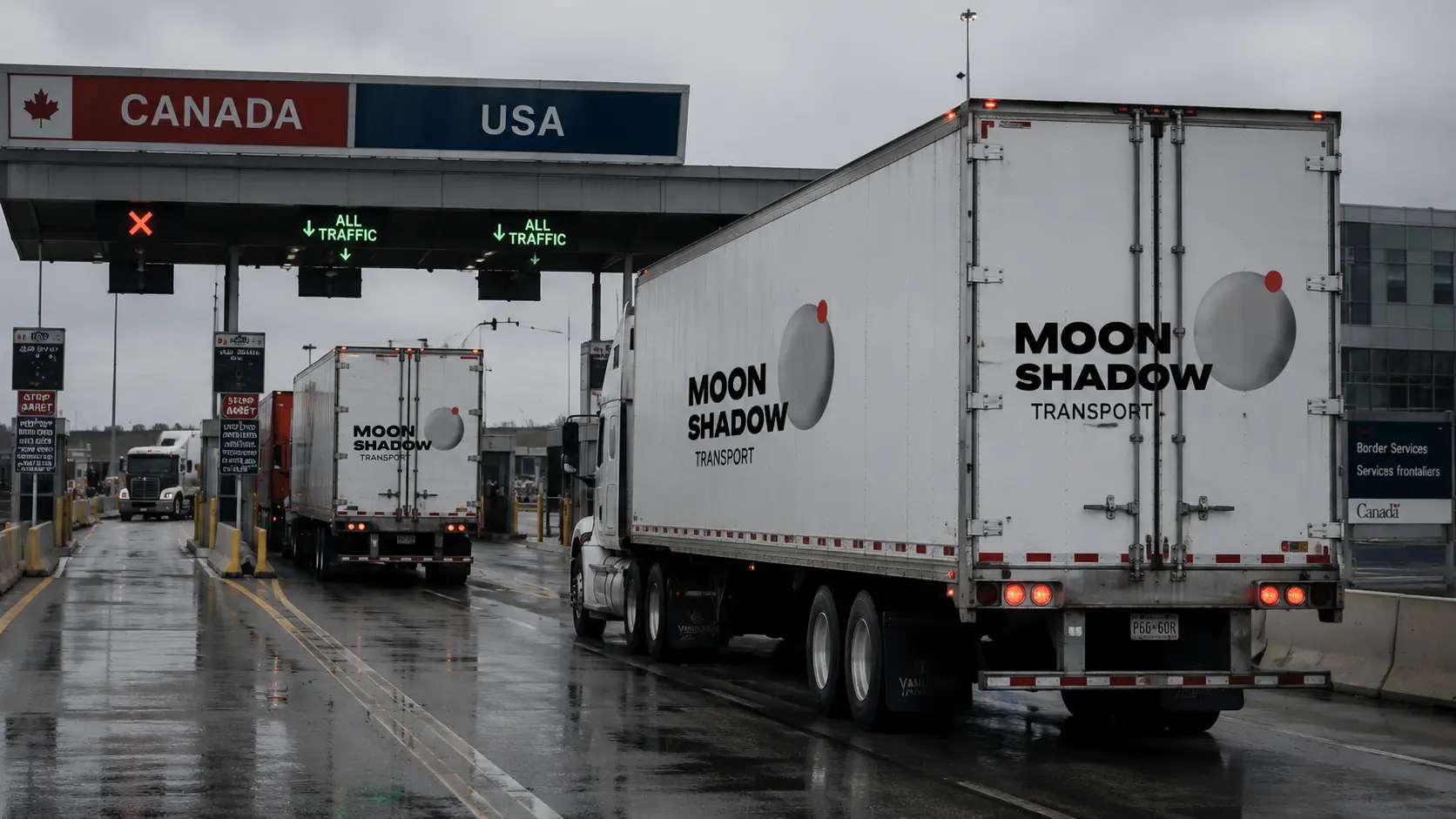
Cross border shipping solutions rely heavily on experienced trucking providers capable of coordinating freight movement efficiently across all stages of the transport process.
These providers often use advanced logistics systems that include:
- Real-time shipment tracking
- Route optimization software
- Dispatch coordination platforms
- Customs communication systems
- Freight visibility tools
Technology allows businesses engaged in Cross-Border Shipping to monitor freight movement more accurately while responding quickly to delays or operational disruptions.
International trucking services also help businesses improve supply chain scalability. As shipment demand grows or distribution networks expand across Canada and the United States, organized freight systems allow transportation operations to scale more efficiently without sacrificing delivery reliability.
Industries that depend heavily on organized Cross-Border Shipping and international trucking services include:
- Manufacturing and automotive sectors
- Retail and wholesale distribution
- Industrial supply chains
- Agricultural freight movement
- Construction and infrastructure operations
- Healthcare and pharmaceutical logistics
For these industries, transportation reliability directly affects production schedules, inventory flow, customer fulfillment, and overall operational performance.
By combining structured freight coordination, customs management, route optimization, and logistics visibility, modern Cross-Border Shipping systems help businesses maintain efficient international freight movement while supporting stable long-term supply chain operations between Canada and the United States.
Customs and Border Clearance Basics
Shipping cross border between Canada and the United States depends heavily on structured customs procedures and organized border clearance systems that ensure freight moves legally, efficiently, and in compliance with international trade regulations. Customs clearance is one of the most critical stages in Canada USA freight shipping because cargo cannot proceed into the receiving country until all documentation, regulatory requirements, and inspection procedures have been successfully completed.
Unlike domestic freight transport, international shipping involves government oversight, customs verification, and border security processes designed to regulate trade activity and protect national import/export systems. Because of this, businesses engaged in Cross-Border Shipping must ensure shipments are properly prepared long before freight arrives at the border.
Efficient customs freight transport preparation helps businesses:
- Reduce border delays
- Avoid shipment holds
- Improve delivery consistency
- Maintain predictable transit timelines
- Minimize operational disruptions
- Improve supply chain reliability
Without organized customs coordination, freight movement can quickly become delayed by missing paperwork, incorrect shipment classifications, incomplete declarations, or regulatory compliance issues.
Cross border shipping solutions help businesses manage this complexity by integrating customs preparation, documentation management, freight coordination, and border logistics into one structured transportation process.
Required Documentation for Canada USA Freight Shipping
One of the most important components of successful Cross-Border Shipping is accurate freight documentation. Every shipment moving between Canada and the United States must include properly completed paperwork that identifies the cargo, confirms shipment details, and verifies compliance with customs regulations.
Canada USA freight shipping typically requires several essential documents, including:
- Commercial invoices
- Bills of lading
- Packing lists
- Customs declarations
- Certificates of origin when applicable
- Import or export permits for regulated goods
Each document serves a specific purpose within customs freight transport procedures.
According to the Canada Border Services Agency, businesses involved in Cross-Border Shipping must ensure that commercial invoices, customs declarations, and import documentation are completed accurately to support efficient border clearance and reduce shipment delays between Canada and the United States.
Commercial invoices provide detailed information about the shipment, including cargo description, value, quantity, origin, and buyer/seller information. Customs authorities use this information to assess duties, taxes, and shipment classification.
Bills of lading function as official transport records that identify the carrier, shipment destination, cargo details, and freight movement terms.
Packing lists provide itemized shipment details that help customs officials verify cargo contents during inspections or clearance procedures.
Depending on the type of cargo being transported, additional regulatory documents may also be required. Specialized shipments involving food products, chemicals, medical supplies, industrial materials, or controlled goods often require permits, certifications, or additional compliance documentation before crossing the border.
Cross border shipping solutions help businesses ensure all required documentation is:
- Accurate
- Complete
- Properly classified
- Submitted on time
- Aligned with customs regulations
Accurate paperwork is extremely important because even minor documentation errors can lead to:
- Border inspection delays
- Shipment holds
- Additional customs reviews
- Fines or penalties
- Rejected freight clearance
To reduce these risks, many businesses rely on organized customs freight transport systems supported by experienced logistics providers and customs brokers who specialize in Cross-Border Shipping operations.
Proper documentation preparation also improves shipment predictability. Businesses operating under recurring freight schedules or time-sensitive delivery cycles depend heavily on organized paperwork processing to maintain efficient supply chain performance.
As Canada USA freight shipping volumes continue growing, accurate documentation management remains one of the most essential components of reliable international freight movement.
Common Freight Challenges at the Border
Shipping cross border between Canada and the United States involves far more than simply transporting cargo from one location to another. International freight movement requires coordination across customs systems, transportation networks, regulatory agencies, carriers, and logistics providers. Because so many operational and compliance-related factors are involved, even small disruptions can affect delivery timelines and overall supply chain performance.
Businesses involved in Canada USA freight shipping must understand the most common border-related challenges in order to reduce operational risk, maintain shipment visibility, and improve transportation efficiency. Delays at the border can impact inventory flow, production schedules, customer fulfillment, and regional distribution operations if freight systems are not properly coordinated.
Effective border freight logistics depend heavily on:
- Accurate documentation
- Organized customs preparation
- Scheduling precision
- Real-time communication
- Coordinated transportation planning
- Regulatory compliance management
Without structured freight coordination, shipments may experience inspection delays, congestion-related disruptions, customs processing issues, or operational bottlenecks that affect overall delivery performance.
Modern Cross-Border Shipping systems are designed to reduce these risks by integrating freight planning, customs coordination, route optimization, and shipment tracking into one organized logistics process.
Delays Caused by Documentation Errors
One of the most common challenges in Cross-Border Shipping is delays caused by incomplete, inaccurate, or inconsistent documentation. Customs authorities in both Canada and the United States rely heavily on shipment paperwork to verify cargo details, assess duties and taxes, confirm regulatory compliance, and authorize freight clearance.
Even relatively small documentation errors can trigger additional customs reviews or temporary shipment holds at border checkpoints.
Common documentation issues include:
- Incorrect cargo descriptions
- Missing shipment details
- Inaccurate freight classifications
- Incomplete customs declarations
- Incorrect shipment values
- Missing permits or certifications
- Mismatched paperwork between documents
When customs officials identify inconsistencies within shipping documents, freight may be delayed while additional verification procedures are completed.
For businesses operating under recurring shipment schedules or time-sensitive supply chains, these delays can create significant operational disruptions. Inventory shortages, production interruptions, missed delivery appointments, and customer fulfillment delays may all result from customs documentation issues.
Cross border shipping solutions help businesses reduce these risks by ensuring freight documentation is prepared accurately before transportation begins.
Structured customs preparation systems typically include:
- Shipment verification processes
- Freight classification review
- Documentation accuracy checks
- Customs compliance coordination
- Regulatory requirement confirmation
Experienced logistics providers and customs specialists supporting Cross-Border Shipping operations understand how to prepare freight paperwork according to current import/export regulations and customs standards.
Another important factor is timing. Delays often occur when required documents are not submitted early enough to support efficient customs processing before the shipment arrives at the border.
Organized freight systems improve border efficiency by coordinating documentation preparation in advance while maintaining communication between:
- Carriers
- Customs brokers
- Shippers
- Importers
- Warehouses
- Border authorities
As international trade volumes continue growing, accurate documentation management remains one of the most important operational components of successful Cross-Border Shipping operations.
Inspection, Congestion, and Scheduling Issues
Border inspections, traffic congestion, and freight scheduling challenges are also major operational concerns within Canada USA freight shipping systems.
Even when documentation is accurate and customs procedures are properly coordinated, freight movement may still be affected by:
- Border traffic volume
- Inspection procedures
- Seasonal congestion
- Infrastructure limitations
- Security screening processes
- Commercial vehicle wait times
Customs freight transport operations often experience increased congestion during peak trade periods when high shipment volume places additional pressure on border crossings and transportation corridors.
Some shipments may also require additional inspection procedures based on:
- Cargo type
- Regulatory classification
- Security protocols
- Shipment origin
- Customs review requirements
When inspections occur, freight may be temporarily delayed while customs authorities verify shipment contents, review documentation, or conduct compliance checks.
International trucking services supporting Cross-Border Shipping operations must coordinate transportation schedules carefully to reduce these delays and maintain delivery consistency.
Scheduling precision becomes especially important for businesses managing:
- Time-sensitive freight
- Manufacturing supply chains
- Retail inventory replenishment
- Industrial distribution systems
- Recurring delivery cycles
Transportation providers often optimize freight movement by selecting border crossings strategically based on:
- Traffic conditions
- Infrastructure capacity
- Inspection frequency
- Route efficiency
- Commercial vehicle flow
Advanced route planning systems help businesses engaged in Cross-Border Shipping improve scheduling accuracy while minimizing congestion-related disruptions.
Technology also plays a major role in reducing border delays. Real-time traffic monitoring, shipment visibility systems, route optimization software, and communication platforms allow logistics teams to respond quickly to changing operational conditions.
These tools help transportation providers:
- Monitor border congestion
- Adjust freight routing
- Improve delivery forecasting
- Maintain shipment visibility
- Coordinate dispatch operations more efficiently
As cross-border trade activity continues increasing, organized scheduling and route coordination remain critical for maintaining efficient customs freight transport operations.
Freight Services for Businesses Across Canada and the United States
Let’s keep it simple:
You might also like..
Challenges in Border Freight Logistics Coordination
One of the most complex aspects of Cross-Border Shipping is coordinating communication and operational timing between the many parties involved in international freight movement.
Cross-border logistics operations often require coordination between:
- Freight carriers
- Customs brokers
- Importers
- Exporters
- Warehouses
- Distribution centers
- Government agencies
- Regulatory authorities
Because each participant plays a different role within the shipping process, communication breakdowns or timing inconsistencies can quickly disrupt freight movement and create operational inefficiencies.
For example, delays may occur when:
- Customs paperwork is submitted late
- Carrier schedules are misaligned
- Delivery appointments change unexpectedly
- Import information is incomplete
- Regulatory approvals are delayed
- Freight readiness timing is inconsistent
These coordination challenges can affect every stage of the transportation process, from shipment pickup and customs processing to border clearance and final delivery.
Border freight logistics systems are designed to reduce these risks by creating more structured communication and operational coordination across all stages of transport.
Modern Cross-Border Shipping systems improve logistics coordination through:
- Centralized shipment visibility
- Real-time communication platforms
- Coordinated scheduling systems
- Customs integration processes
- Freight tracking technology
- Route management tools
These systems help businesses maintain better operational control while improving consistency across international freight operations.
Strong coordination becomes especially important for businesses managing complex supply chains involving:
- Multiple delivery locations
- High shipment frequency
- International distribution networks
- Time-sensitive cargo movement
- Regulated freight categories
Experienced providers supporting Cross-Border Shipping operations help businesses reduce uncertainty by maintaining proactive communication and organized logistics planning throughout the shipment lifecycle.
As international freight networks become increasingly interconnected, efficient border freight logistics coordination remains essential for maintaining reliable transportation performance and long-term supply chain stability between Canada and the United States.
Frequently Asked Questions (FAQs)
What is cross-border shipping?
It is the transportation of goods between countries while complying with customs and international trade regulations.
What documents are needed for international freight shipping?
Common documents include commercial invoices, bills of lading, packing lists, and customs declarations.
How long does Canada–USA freight transport take?
Transit time depends on distance, route selection, customs clearance speed, and border traffic conditions.
What causes delays during border crossings?
Documentation errors, inspections, congestion, and coordination issues commonly cause delays.
How can businesses improve cross-border shipping efficiency?
By preparing accurate documentation, planning shipments early, and working with experienced logistics providers.
Successful cross-border shipping requires more than moving freight between Canada and the United States—it depends on accurate customs coordination, organized logistics planning, and reliable transportation execution at every stage of the shipment process.
Whether your business manages recurring international freight, time-sensitive deliveries, or commercial distribution across North America, working with the right logistics partner helps reduce delays, improve shipment visibility, and maintain stable supply chain performance.
Connect with our team to explore reliable cross-border freight solutions tailored to your operations.
Conclusion
Shipping cross border between Canada and the United States requires coordinated logistics, customs compliance, and efficient freight planning. By combining structured cross border shipping solutions with experienced international trucking services and strong border freight logistics coordination, businesses can reduce delays and improve operational reliability.
For organizations involved in Canada USA freight shipping, understanding the cross-border process is essential for maintaining efficient supply chains, predictable delivery performance, and long-term business stability.






No comment