
Introduction
Modern supply chains rely on far more than moving freight from one location to another. Businesses must coordinate transportation capacity, inventory movement, production schedules, warehouse operations, carrier performance, and customer delivery commitments simultaneously. As transportation networks become more complex, logistics management plays an increasingly important role in keeping every part of the supply chain connected.
Logistics Management Services Canada provide businesses with a structured approach to planning, coordinating, monitoring, and improving freight movement across regional, national, and cross-border transportation networks. Rather than treating every shipment as an isolated delivery, logistics management focuses on how transportation decisions influence overall operational performance.
Manufacturers, distributors, retailers, construction companies, industrial operations, and import/export businesses often manage freight across multiple locations, carriers, and delivery schedules. In these environments, transportation planning extends beyond selecting a truck. Businesses must coordinate freight availability, carrier capacity, route planning, shipment visibility, inventory flow, and customer expectations throughout the entire logistics process.
Logistics insight: Transportation moves freight. Logistics management coordinates everything required to make transportation work efficiently before, during, and after each shipment.
Effective logistics management Canada combines freight planning, carrier coordination, transportation management services, shipment monitoring, delivery performance analysis, and continuous communication between everyone involved in the supply chain. These activities help businesses improve operational visibility while reducing unnecessary delays and improving day-to-day transportation decisions.
Modern logistics management also benefits from transportation management systems, digital freight documentation, shipment tracking platforms, performance reporting, and dispatch communication tools. While technology improves visibility, successful logistics management still depends on experienced professionals who can evaluate transportation conditions, respond to disruptions, and coordinate multiple moving parts within a dynamic freight network.
This guide explains how Logistics Management Services Canada support freight planning, carrier management, transportation coordination, inventory flow, and supply chain performance while helping businesses build more efficient and reliable commercial logistics operations throughout Canada and across Canada-USA freight corridors.
What Are Logistics Management Services?
Logistics management services coordinate the planning, execution, monitoring, and continuous improvement of freight movement throughout a supply chain. Rather than focusing only on transporting goods, logistics management connects transportation planning, carrier coordination, inventory movement, scheduling, and operational communication into a single management process.
Businesses using Logistics Management Services Canada often need more than transportation capacity. They require visibility across multiple shipments, coordinated carrier relationships, predictable freight schedules, and the ability to respond efficiently when operational conditions change.
The Role of Logistics Management in Business Operations
Every commercial shipment affects other parts of a business. Manufacturing depends on incoming materials, warehouses rely on scheduled inventory movement, distributors coordinate outbound deliveries, and retailers expect products to arrive before customer demand increases.
Logistics management helps connect these activities by coordinating transportation with broader business operations. Instead of treating freight as an isolated task, logistics teams evaluate how shipment timing, carrier performance, equipment availability, and delivery schedules influence production, inventory, and customer service.
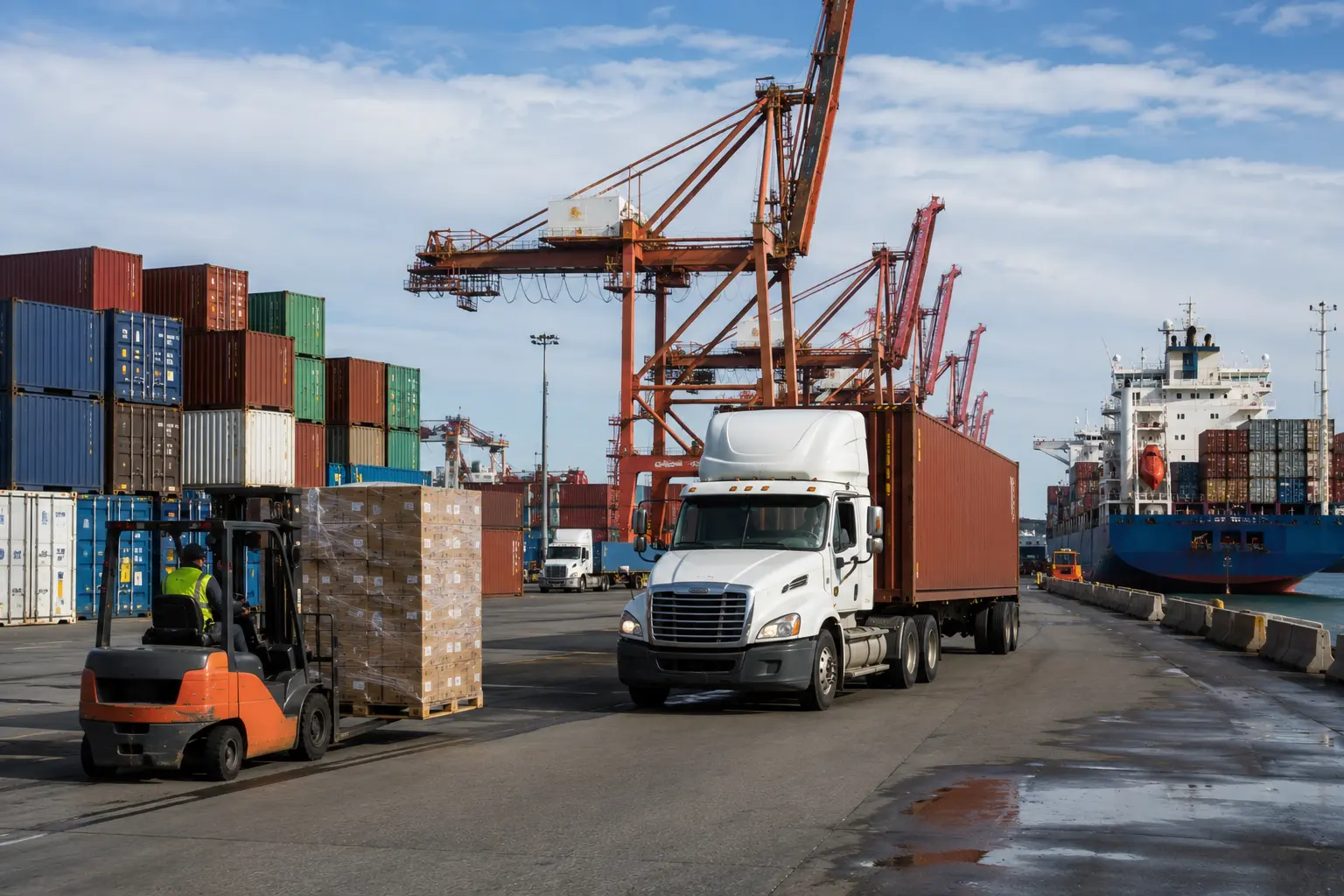
As supply chains become more interconnected, effective logistics management allows businesses to make transportation decisions with greater operational awareness rather than reacting only after delays occur.
How Logistics Management Connects Transportation and Supply Chains
Transportation is one component of a supply chain, while logistics management coordinates how transportation interacts with purchasing, production, warehousing, inventory, distribution, and customer delivery requirements.
For example, selecting a carrier is only one decision. Logistics teams may also determine when freight should leave the warehouse, which transportation mode best fits the shipment, how multiple deliveries should be scheduled, and how inventory levels will be affected while goods are moving.
This broader coordination helps businesses improve supply chain logistics Canada by reducing unnecessary waiting, improving shipment visibility, and creating more predictable freight operations.
Key perspective: Transportation answers the question “How will the freight move?” Logistics management answers “How should every transportation decision support the entire supply chain?”
Logistics Management vs Basic Freight Transportation
Although the terms are sometimes used interchangeably, logistics management and freight transportation perform different functions. Freight transportation focuses on physically moving cargo, while logistics management oversees the planning and coordination that surrounds those movements.
Freight Transportation
- Moves goods between locations.
- Provides trucks, trailers, and drivers.
- Executes pickup and delivery.
- Focuses on individual shipments.
- Completes the physical transportation process.
Logistics Management
- Plans and coordinates freight operations.
- Selects and manages transportation providers.
- Schedules shipments and monitors performance.
- Supports inventory and production planning.
- Optimizes the broader supply chain.
Understanding this distinction helps businesses evaluate Logistics Management Services Canada more effectively. Transportation providers move freight, while logistics management services help ensure those freight movements contribute to a more reliable, efficient, and scalable supply chain.
What Logistics Management Services Include
Logistics management is a continuous operational process rather than a single transportation task. Depending on the business and supply chain, Logistics Management Services Canada may include freight planning, carrier coordination, shipment scheduling, transportation visibility, performance monitoring, and ongoing communication across multiple stakeholders.
The objective is to ensure freight moves efficiently while supporting production schedules, inventory availability, customer commitments, and broader business goals. Instead of reacting to transportation issues after they occur, logistics management helps businesses coordinate freight proactively throughout each shipment lifecycle.
| Logistics Service | Primary Purpose | Business Benefit |
|---|---|---|
| Freight Planning | Build transportation schedules around operational requirements. | Better shipment coordination and fewer scheduling conflicts. |
| Carrier Coordination | Match freight with suitable transportation providers. | Improved capacity planning and service consistency. |
| Route & Capacity Planning | Optimize transportation resources and shipment timing. | Better equipment utilization and operational efficiency. |
| Shipment Visibility | Monitor freight throughout transportation. | Faster communication and proactive issue management. |
| Performance Management | Evaluate transportation reliability and service quality. | Continuous logistics improvement over time. |
Freight Planning and Scheduling
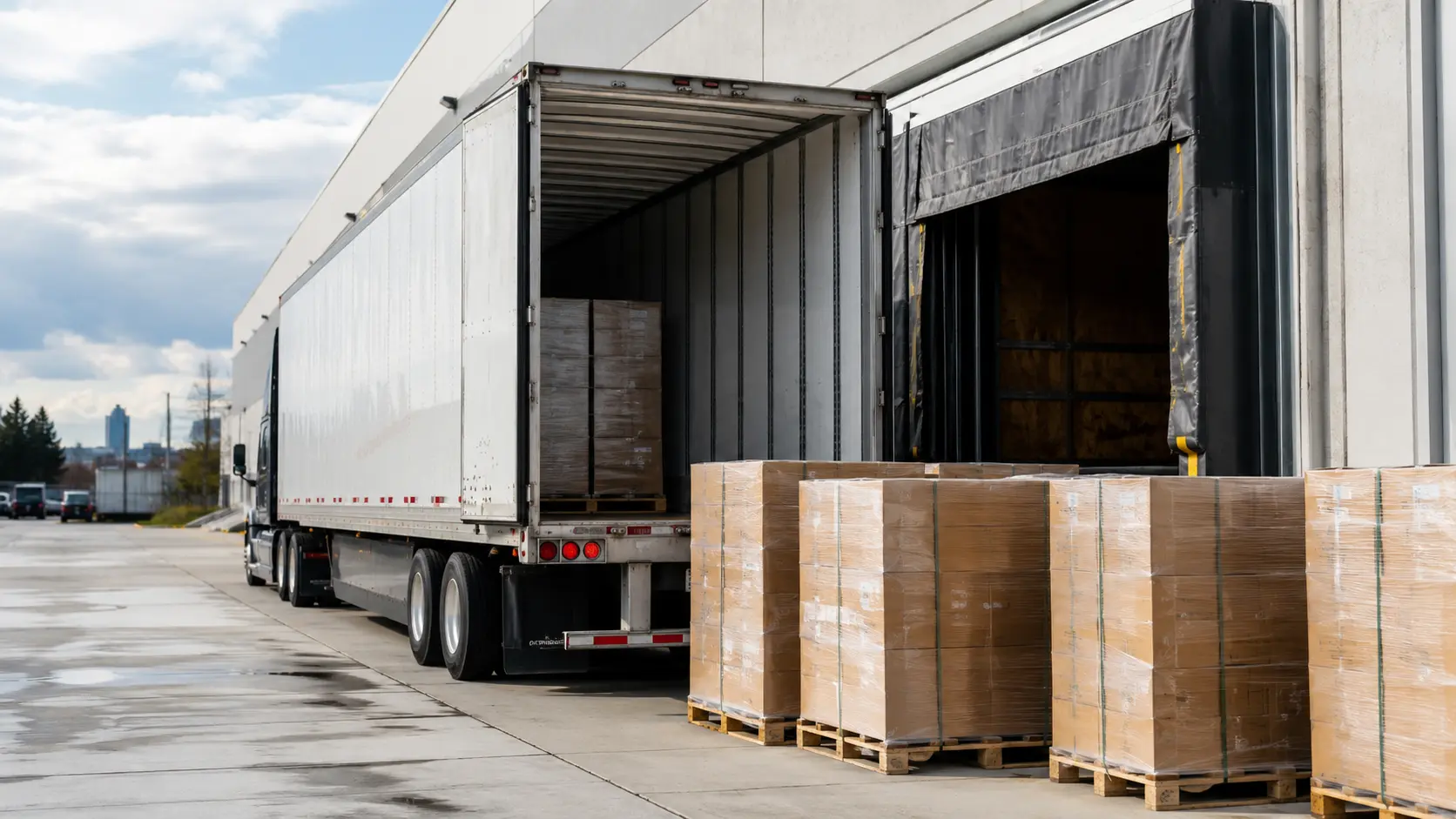
Freight planning establishes how shipments will move through the transportation network before trucks are assigned. Logistics teams evaluate shipment priorities, pickup windows, delivery commitments, equipment availability, route distance, and operational constraints to create practical transportation schedules.
Well-organized freight scheduling Canada reduces conflicts between shipments while helping businesses align transportation with manufacturing, warehousing, inventory replenishment, and customer delivery requirements.
Carrier Selection and Coordination
Not every carrier is suitable for every shipment. Logistics management includes evaluating transportation providers based on service coverage, equipment capability, operational experience, capacity, safety standards, and the specific freight requirements of each load.
Carrier management services also involve maintaining communication between shippers, carriers, dispatch teams, warehouses, and receiving facilities so transportation remains coordinated throughout the shipment.
Operational insight: The best carrier is not always the lowest-cost carrier. Effective logistics management evaluates service reliability, equipment suitability, communication quality, route coverage, and long-term operational performance alongside transportation pricing.
Route and Capacity Management
Route planning and capacity management help businesses use available transportation resources more effectively. Logistics teams review shipment timing, freight density, equipment availability, seasonal demand, and regional transportation conditions to support more efficient freight movement.
Effective route and capacity planning can reduce unnecessary waiting, improve fleet utilization, and help businesses respond more confidently when freight demand changes.
Shipment Monitoring and Communication
Shipment visibility continues after freight leaves the pickup location. Logistics coordination services monitor transportation progress, communicate operational updates, and respond when delays, route changes, or customer requirements affect the original transportation plan.
Consistent communication allows businesses to make informed operational decisions rather than waiting until a shipment arrives to discover a transportation issue.
Delivery Performance Management
Logistics management does not end when freight reaches its destination. Delivery performance is reviewed to identify transportation trends, recurring delays, carrier performance, scheduling accuracy, and opportunities to improve future freight operations.
Over time, this continuous evaluation helps businesses strengthen transportation reliability, improve supply chain visibility, and build more effective Logistics Management Services Canada that support long-term operational growth rather than individual shipments alone.
Transportation Management Within a Logistics Strategy
Transportation management is one of the core functions within a broader logistics strategy. While logistics management oversees the complete movement of goods across the supply chain, transportation management focuses specifically on planning, coordinating, executing, and monitoring freight movements between locations.
Within Logistics Management Services Canada, transportation decisions are made with the wider business operation in mind. Carrier selection, shipment scheduling, equipment allocation, route planning, and delivery coordination are all connected to production schedules, inventory requirements, customer commitments, and long-term supply chain performance.
LTL and FTL Freight Planning
Freight Broker Alternatives in Canada: Direct Carrier and Logistics Options for Smarter Shipping
Let’s keep it simple:
You might also like
Different freight movements require different transportation strategies. Less Than Truckload (LTL) shipments often involve shared trailer capacity and multiple delivery points, while Full Truckload (FTL) transportation usually dedicates an entire trailer to a single shipment.
Logistics teams evaluate shipment size, transit requirements, freight density, delivery schedules, and operational priorities before selecting the most appropriate transportation model. Choosing between LTL and FTL is not simply a pricing decision; it also affects delivery timing, handling requirements, shipment visibility, and overall transportation efficiency.
Dedicated Transportation Solutions
Some businesses operate recurring freight lanes that benefit from dedicated transportation capacity. Instead of sourcing trucks for each individual shipment, logistics management may coordinate dedicated trucks, trailers, or transportation resources around predictable freight demand.
Dedicated transportation solutions can improve planning consistency, simplify communication, and provide greater operational familiarity between the carrier and the shipper, particularly for manufacturers, distributors, and industrial businesses with ongoing freight requirements.
Planning insight: Effective transportation management is not about selecting the fastest truck for every shipment. It is about selecting the transportation solution that best supports the operational priorities, delivery timeline, equipment requirements, and overall supply chain strategy.
Regional and Canada-Wide Freight
Logistics Management Services Canada help businesses maintain efficient freight movement as their transportation needs expand beyond a single city, province, or regional market. Many organizations begin with local distribution, but growth often creates the need to coordinate shipments across British Columbia, Western Canada, multiple provinces, or nationwide commercial networks.
As service coverage expands, transportation planning becomes more complex. Logistics Management Services Canada provide the structure required to connect regional freight activity with broader national distribution strategies. Rather than managing each route independently, businesses gain a coordinated system for scheduling, carrier management, shipment visibility, and route planning across multiple transportation corridors.
Regional freight may involve frequent deliveries between nearby warehouses, suppliers, stores, or industrial facilities. Canada-wide freight, by comparison, can involve longer transit distances, multiple provinces, changing infrastructure conditions, and more complex carrier coordination. Logistics Management Services Canada help align both transport models so businesses can scale distribution without losing control over delivery performance.
Through structured planning, Logistics Management Services Canada support:
- Regional freight scheduling
- Interprovincial transportation coordination
- Carrier capacity management
- Route optimization across major trade corridors
- Shipment tracking and status visibility
- Communication between suppliers, carriers, warehouses, and customers
A major advantage of Logistics Management Services Canada is the ability to create consistency across different service regions. Businesses can maintain common planning standards, communication processes, and performance expectations even when freight travels through multiple markets or carrier networks.
This coordinated approach supports expansion into new regions while reducing the risk of fragmented transportation operations. As shipment volume and geographic coverage increase, Logistics Management Services Canada help ensure freight movement remains predictable, scalable, and aligned with broader business goals.

Cross-Border Freight Coordination
Freight moving between Canada and the United States introduces additional planning, documentation, and compliance requirements. Logistics Management Services Canada help businesses coordinate these responsibilities alongside the physical transportation of cargo so cross-border shipments remain connected to the wider supply chain.
Unlike domestic freight, cross-border transportation must account for customs documentation, broker coordination, border crossing conditions, import and export requirements, regulatory compliance, and communication between several organizations. Without structured oversight, these additional steps can create delays, missed delivery windows, or operational confusion.
Logistics Management Services Canada bring transportation planning and border coordination into one organized process. This may include reviewing shipment readiness, aligning carrier schedules with customs clearance, confirming document requirements, monitoring border conditions, and maintaining communication between shippers, carriers, customs brokers, warehouses, and receiving facilities.
By using Logistics Management Services Canada, businesses can avoid treating cross-border freight as an isolated transportation event. Instead, the shipment remains connected to inventory planning, production schedules, warehouse operations, and customer delivery commitments.
Effective cross-border coordination through Logistics Management Services Canada can support:
- Customs and documentation preparation
- Broker and carrier communication
- Border route selection
- Shipment timing and appointment coordination
- Regulatory compliance management
- Delivery visibility after customs clearance
This integration is especially important for recurring Canada–USA freight lanes. When shipments move regularly between the same facilities or markets, Logistics Management Services Canada help create repeatable processes that improve consistency and reduce unnecessary administrative effort.
As international freight requirements change, structured logistics management also gives businesses greater flexibility to adjust routes, carriers, or scheduling strategies without disrupting the broader supply chain.
Specialized and Industrial Freight Management
Specialized and industrial shipments often require transportation solutions beyond standard truckload services. Logistics Management Services Canada provide the planning, coordination, and operational oversight needed to manage freight that involves unusual dimensions, significant weight, specialized equipment, regulated handling, or complex delivery conditions.
Industrial freight may include:
- Heavy machinery
- Oversized equipment
- Manufacturing systems
- Construction materials
- Structural components
- Energy-sector equipment
- Project cargo
These shipments may require specialized trailers, permit coordination, detailed route analysis, escort vehicles, site access planning, loading support, or carefully scheduled delivery windows. Logistics Management Services Canada bring these requirements together within a single coordinated freight plan.
Before transportation begins, Logistics Management Services Canada may help evaluate cargo dimensions, equipment requirements, route limitations, pickup conditions, and delivery-site access. This planning reduces the risk of equipment mismatches, permit issues, route restrictions, or scheduling conflicts.
Carrier selection is also especially important for industrial freight. Logistics Management Services Canada help match complex shipments with providers that have the appropriate fleet capability, technical experience, safety standards, and route knowledge.
Throughout the movement, Logistics Management Services Canada support communication between carriers, project managers, dispatch teams, loading crews, site personnel, and receiving facilities. This visibility is essential when a delay could affect construction activity, industrial production, installation schedules, or project completion.
By combining transportation planning, specialized carrier expertise, equipment coordination, scheduling, and active communication, Logistics Management Services Canada help businesses move complex commercial freight with greater control and lower operational risk.
Tell us a few details and we'll recommend the most efficient shipping option.
Ready to Ship With Confidence?

How Logistics Management Improves Supply Chain Performance
Canada’s transportation system increasingly depends on coordinated supply chain planning rather than isolated freight movements. Transport Canada notes that improving supply chain efficiency and resilience requires stronger coordination between transportation networks, infrastructure, logistics operations, and commercial stakeholders. This broader perspective reinforces the role of Logistics Management Services Canada in supporting reliable freight movement while strengthening overall supply chain performance.
Reducing Freight Delays
Freight delays rarely occur because of one isolated issue. Scheduling conflicts, limited carrier capacity, incomplete shipment information, changing customer requirements, equipment shortages, and traffic disruptions can all affect transportation performance.
Logistics Management Services Canada reduce these risks by coordinating freight planning and coordination before shipments begin moving. Route planning, dispatch communication, carrier selection, and proactive scheduling help identify potential issues early, giving businesses more opportunities to adjust transportation plans before delays become operational problems.
Improving Transportation Visibility
Shipment visibility allows businesses to understand where freight is, what stage of transportation it has reached, and whether delivery schedules remain on track. Modern freight logistics management combines transportation management systems, shipment tracking, dispatch communication, and operational reporting to provide greater transparency throughout the freight lifecycle.
Better visibility supports faster decision-making. Instead of waiting until a shipment arrives, businesses using Logistics Management Services Canada can respond to transportation changes while freight is still moving, reducing the impact of unexpected disruptions.
Supply chain insight: One of the greatest values of Logistics Management Services Canada is not simply knowing where freight is today—it is giving businesses enough visibility to make better operational decisions before transportation issues affect production, inventory, or customer commitments.
Supporting Inventory Flow
Inventory movement depends on reliable transportation planning. Materials arriving too late may interrupt production, while products arriving too early can increase storage requirements and warehouse congestion.
Through Logistics Management Services Canada, transportation schedules can be aligned with purchasing, warehousing, manufacturing, and distribution activities. This coordinated approach supports smoother inventory flow while reducing unnecessary handling and operational bottlenecks.
Coordinating Production and Distribution Schedules
Production facilities, warehouses, and distribution centres often rely on precise transportation timing. A delayed inbound shipment may affect manufacturing output, while late outbound freight can delay customer deliveries or retail replenishment.
Logistics Management Services Canada help synchronize freight movement with operational schedules by coordinating carriers, shipment priorities, loading appointments, and transportation capacity. This integrated planning creates stronger connections between production, transportation, and distribution activities.
Creating More Predictable Freight Operations
Consistency is one of the primary goals of logistics management Canada. While no transportation network can eliminate every disruption, structured freight planning, carrier management services, transportation management services, and continuous shipment monitoring help create more predictable freight operations over time.
Businesses that invest in Logistics Management Services Canada often gain a clearer understanding of carrier performance, transportation trends, recurring bottlenecks, and future capacity requirements. This information supports continuous improvement and allows commercial logistics solutions to evolve alongside business growth, helping organizations build stronger, more resilient supply chain logistics Canada strategies.
Frequently Asked Questions About Logistics Management Services in Canada
Businesses evaluating Logistics Management Services Canada often want to understand how logistics management differs from transportation alone, what services are included, and how a coordinated logistics strategy can improve supply chain performance. The following questions address some of the most common considerations.
What are Logistics Management Services Canada?
Logistics Management Services Canada coordinate freight planning, transportation management, carrier selection, shipment monitoring, route planning, delivery performance, and supply chain logistics. Their purpose is to manage freight more efficiently from origin to final delivery while supporting broader business operations.
How is logistics management different from freight transportation?
Freight transportation focuses on physically moving cargo. Logistics Management Services Canada provide the planning, carrier coordination, shipment scheduling, communication, and operational oversight that allow transportation to support the entire supply chain rather than a single shipment.
What businesses benefit from logistics management services?
Manufacturers, distributors, retailers, construction companies, industrial operations, importers, exporters, warehouses, and businesses with recurring freight requirements commonly benefit from Logistics Management Services Canada because they often coordinate multiple shipments, carriers, and delivery schedules.
Can logistics management services reduce freight costs?
They may improve transportation efficiency by optimizing carrier selection, freight scheduling, route planning, equipment utilization, and shipment coordination. Actual savings depend on shipment volume, freight characteristics, transportation lanes, and existing logistics processes.
What is included in carrier management?
Carrier management services may include evaluating transportation providers, matching freight with suitable equipment, monitoring carrier performance, managing communication, reviewing service quality, coordinating capacity, and maintaining long-term transportation relationships.
How do Logistics Management Services Canada improve on-time delivery?
Logistics management improves delivery performance through proactive freight planning, transportation scheduling, carrier coordination, shipment visibility, route management, and faster communication when transportation conditions change.
Can logistics management support cross-border freight?
Yes. Logistics Management Services Canada often include Canada-USA transportation planning, customs coordination, shipment scheduling, border timing, documentation management, and communication between multiple transportation partners to support smoother international freight movement.
What technology is commonly used in logistics management?
Modern logistics operations frequently use transportation management systems (TMS), GPS tracking, shipment visibility platforms, electronic freight documentation, dispatch software, carrier portals, and performance analytics to improve coordination and operational decision-making.
Should logistics be managed internally or outsourced?
The right approach depends on freight volume, operational complexity, available technology, internal expertise, and business objectives. Some organizations fully outsource Logistics Management Services Canada, while others combine internal oversight with external logistics specialists through a hybrid management model.
As your supply chain grows, transportation decisions become more connected to inventory flow, production schedules, warehousing, and customer delivery commitments. A structured logistics strategy helps businesses move beyond managing individual shipments and build a more efficient, scalable freight operation.
Connect with our logistics team to discuss your transportation challenges and discover a logistics management solution tailored to your freight network, operational priorities, and long-term business goals.
Conclusion

Logistics Management Services Canada provide businesses with far more than freight transportation. They create a structured approach to planning, coordinating, monitoring, and continuously improving freight movement across local, regional, Canada-wide, and cross-border supply chains. By connecting transportation with inventory, production, warehousing, and distribution activities, logistics management helps organizations operate more efficiently and respond more effectively to changing business demands.
As supply chains become increasingly complex, businesses benefit from transportation strategies that extend beyond booking individual shipments. Freight planning, carrier management, transportation management services, shipment visibility, and performance monitoring all contribute to stronger operational control and more predictable logistics performance. These capabilities allow Logistics Management Services Canada to support both day-to-day transportation needs and long-term supply chain improvement.
Whether managing LTL and FTL freight, coordinating dedicated transportation, planning Canada-wide distribution, or overseeing cross-border logistics, the right logistics strategy should align transportation decisions with broader operational objectives. A well-managed logistics program helps improve communication, strengthen carrier relationships, optimize freight capacity, and reduce unnecessary transportation disruptions.
Businesses evaluating Logistics Management Services Canada should look beyond transportation rates alone. Experience, operational expertise, carrier networks, technology, reporting capabilities, scalability, and communication standards all contribute to a logistics partnership that can support sustainable business growth and a more resilient supply chain.






No comment