
Introduction
Trucking in British Columbia is the structural backbone of the province’s commercial ecosystem. From the port-driven trade networks of Metro Vancouver to the resource corridors stretching through the Interior and northern regions, freight transportation sustains nearly every major industry operating within the province. Manufacturing facilities, agricultural producers, construction projects, retail distribution networks, and cross-border exporters all depend on consistent and disciplined ground transport to maintain operational continuity.
British Columbia’s geographic position amplifies the importance of structured freight operations. As Canada’s Pacific gateway, the province connects global maritime trade with inland distribution routes across Western Canada and into the United States. Efficient trucking in British Columbia ensures that goods arriving at ports are transferred seamlessly to warehouses, distribution centers, and long-haul corridors without delay. In this environment, transportation is not merely a support function — it is a strategic enabler of economic growth.
The province’s terrain introduces additional complexity. Mountain highways, coastal weather variability, dense urban traffic zones, and high-volume trade corridors demand experienced drivers, disciplined dispatch coordination, and proactive fleet management. Professional trucking in British Columbia must integrate safety, compliance, route specialization, and real-time communication to maintain consistent delivery performance.
For commercial decision-makers, the stakes are high. Inventory cycles depend on reliable arrival windows. Manufacturing schedules rely on timely raw material transport. Cross-border shipments require precise documentation and compliance oversight. Any disruption in freight movement can ripple across the supply chain, affecting cost, efficiency, and client satisfaction.
Moonshadow Transportation operates within this demanding logistics landscape by aligning asset-based fleet control, regional expertise, and structured operational standards to support dependable trucking in British Columbia. By combining reliability with transparency and scalability, we help businesses protect their supply chain integrity across the province and beyond.
Choosing the right partner for trucking in British Columbia is not simply about moving freight — it is about reinforcing every mile of your commercial strategy.
The Role of Trucking in British Columbia’s Economy
Trucking in British Columbia is not simply a transportation service — it is a critical economic driver that sustains the province’s industrial, commercial, and trade-based activity. Nearly every sector operating within the province depends directly on structured and reliable trucking in British Columbia to maintain operational flow, protect revenue cycles, and support regional competitiveness.
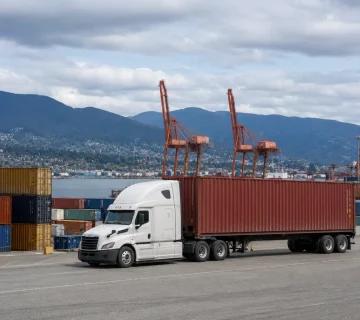
British Columbia’s economy is deeply integrated with both national and international markets. As the western gateway of Canada, the province handles high volumes of import and export activity through its port infrastructure. Efficient trucking in British Columbia ensures that goods arriving at port terminals transition quickly into inland distribution networks. Without dependable trucking in British Columbia, port efficiency would slow, container turnover would decrease, and supply chains would face immediate disruption.
Manufacturing industries across the Lower Mainland and interior regions rely heavily on structured trucking in British Columbia. Raw materials must arrive on schedule to prevent production downtime. Finished goods must be transported efficiently to warehouses, retailers, or cross-border destinations. Any delay in trucking in British Columbia can impact production cycles, inventory forecasting, and client commitments.
Agriculture also plays a significant role in the province’s economy, particularly in regions such as the Fraser Valley and Okanagan. Perishable goods demand time-sensitive and carefully managed transportation. Reliable trucking in British Columbia ensures that agricultural products maintain quality standards while reaching both domestic and international markets. Temperature control, route optimization, and scheduling precision are all essential components of professional trucking in British Columbia.
The construction and infrastructure sectors further highlight the importance of structured freight operations. Building materials, heavy equipment, and specialized components must move consistently between suppliers and project sites. Delays in trucking in British Columbia can result in halted construction timelines, increased labor costs, and contractual penalties. For developers and contractors, dependable trucking in British Columbia supports predictable project execution.
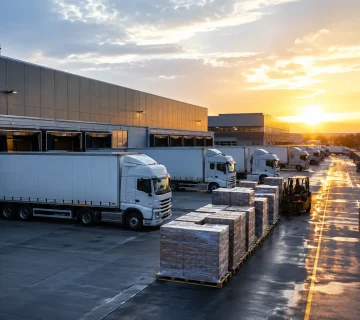
Retail distribution networks across British Columbia depend on frequent shipment cycles to maintain inventory levels. Consumer demand patterns shift quickly, especially in metropolitan areas like Vancouver. Effective trucking in British Columbia enables retailers to replenish stock efficiently, preventing lost sales and minimizing warehouse congestion. Scalable trucking capacity ensures businesses can adjust to seasonal demand without compromising performance.
Cross-border trade significantly expands the economic impact of trucking in British Columbia. With established corridors linking the province to Washington, Oregon, California, Nevada, and Idaho, international freight movement strengthens commercial ties across North America. Structured trucking in British Columbia integrates documentation compliance, customs coordination, and route planning to maintain uninterrupted trade flow.
Beyond direct industry impact, trucking in British Columbia contributes to employment across logistics, warehousing, fleet maintenance, and supply chain management. Reliable freight movement supports broader economic stability by reinforcing interconnected commercial systems.
In essence, trucking in British Columbia is not an isolated operational function — it is a foundational infrastructure layer that sustains the province’s economic resilience. Businesses that prioritize dependable trucking partnerships strengthen their competitive position while reducing supply chain risk.
Moonshadow Transportation supports this economic ecosystem by delivering disciplined, asset-based trucking in British Columbia that aligns transportation performance with commercial objectives.

Navigating Complex Terrain and Weather in British Columbia
Operating across British Columbia demands a level of logistical discipline and environmental awareness that few regions in North America require. The province’s geography is not merely diverse — it is operationally demanding. Steep mountain passes, winding elevation corridors, dense coastal urban centers, and rapidly shifting weather systems create a transportation landscape that requires preparation, foresight, and technical expertise at every stage of freight movement.
Mountain corridors linking the Lower Mainland to interior regions present some of the most challenging driving environments in Canada. Long gradients, sharp switchbacks, narrow lanes, and high-altitude exposure require advanced vehicle handling techniques and disciplined speed management. Winter conditions can develop unexpectedly, introducing snow accumulation, black ice, reduced traction, and limited visibility within short timeframes. Carriers operating in these environments must integrate predictive route analysis, weather monitoring systems, and contingency scheduling to reduce risk exposure.
Beyond elevation challenges, temperature variability plays a critical operational role. Sudden drops in temperature can impact brake performance, tire pressure, and engine efficiency. In colder months, mechanical systems must function under increased strain. Proactive maintenance protocols become essential in preventing roadside breakdowns, particularly in remote stretches where service access may be limited. Structured inspection routines prior to departure reduce the likelihood of in-transit failures that could disrupt supply chain continuity.
Urban freight corridors introduce a different operational complexity. The Greater Vancouver region experiences sustained traffic density influenced by commuter flow, port activity, construction projects, and infrastructure development. Delivery scheduling within metropolitan zones requires precise timing and route optimization. Departure windows must account for congestion cycles, municipal restrictions, and dock appointment systems. Minor delays in high-density areas can cascade into broader distribution inefficiencies.
Coastal weather patterns further complicate operations. Heavy rainfall affects braking distance and road grip, while fog conditions can limit visibility in both urban and highway environments. Interior routes, by contrast, may encounter rapid transitions between clear skies and severe winter storms within the same corridor. Transportation planning must therefore remain dynamic rather than static, incorporating real-time environmental data into dispatch decisions.
Cargo protection strategies also evolve in response to these environmental variables. Temperature-sensitive freight requires insulation, climate control systems, or protective packaging to preserve product integrity during transit. Load securement must be adjusted for steep inclines and variable road conditions to prevent shifting or imbalance. Detailed pre-trip cargo assessments reduce the likelihood of in-transit damage, particularly on mountainous routes.
Driver expertise becomes the most critical operational asset in such an environment. Professional operators trained in high-grade navigation, defensive driving techniques, and seasonal hazard management contribute directly to safety and schedule consistency. Experience allows drivers to anticipate rather than merely react to road conditions. Effective braking on long descents, throttle control on icy surfaces, and spatial awareness on narrow corridors require practiced judgment.
Route specialization strengthens operational performance. Freight destined for interior distribution centers requires a different strategy than loads moving toward coastal terminals or cross-border corridors. Terrain familiarity allows dispatch teams to identify optimal fueling points, rest intervals, and alternate pathways in case of disruption. Structured route planning minimizes exposure to unnecessary risk while preserving transit efficiency.
Technology integration supports real-time oversight. GPS tracking systems, electronic logging devices, and telematics monitoring allow fleet managers to track vehicle location, driver compliance, and mechanical performance. These systems enable proactive intervention when emerging disruptions are detected, whether related to traffic congestion, weather changes, or mechanical alerts.
Safety management in such environments must be engineered rather than improvised. Preventive maintenance schedules, structured driver training programs, documented safety audits, and consistent communication channels collectively create operational resilience. When safety becomes an embedded system rather than a reactive measure, delivery performance improves even in challenging conditions.
Moonshadow Transportation applies these principles across every corridor, combining terrain awareness, disciplined fleet oversight, and experienced personnel to maintain consistency despite environmental variability. By respecting the province’s geographic realities and planning accordingly, operational risk is transformed into manageable complexity.
In a region defined by elevation shifts, coastal exposure, and climatic unpredictability, experience is not simply beneficial — it is essential. Structured logistics practices convert geographic challenges into navigable pathways, ensuring freight moves efficiently across both regional and long-haul networks.
Choosing the Right Trucking Company in Vancouver
Let’s keep it simple:
you might also like
Cross-Border Trucking in British Columbia: Managing International Trade
Trucking in British Columbia plays a decisive role in supporting international trade between Canada and the western United States. Due to its geographic proximity to Washington State and direct access to Pacific trade routes, British Columbia functions as a strategic freight bridge between North America and global markets. In this context, structured trucking in British Columbia extends beyond domestic transport — it becomes an essential component of cross-border commercial stability.
Cross-border freight movement introduces operational layers that require precision, regulatory knowledge, and disciplined coordination. Unlike domestic deliveries, international shipments must comply with customs documentation requirements, tariff classifications, and regulatory frameworks on both sides of the border. Professional trucking in British Columbia integrates documentation verification, compliance checks, and dispatch planning before a load ever leaves its origin point.
Accurate paperwork is foundational to efficient cross-border trucking in British Columbia. Commercial invoices, bills of lading, harmonized system codes, and regulatory declarations must be completed without error. Even minor discrepancies can trigger inspections or border holds, disrupting transit timelines and increasing operational costs. Structured trucking operations in British Columbia proactively review documentation to minimize clearance delays.
Border crossing selection further impacts performance. Certain crossings experience heavier commercial traffic volumes or heightened inspection frequency. Experienced providers of trucking in British Columbia monitor crossing patterns and adjust departure scheduling to maintain consistent transit performance. Strategic route planning reduces exposure to extended wait times and enhances predictability for supply chain managers.
Driver compliance remains critical in cross-border operations. Commercial driver credentials, electronic logging device adherence, vehicle inspection standards, and safety certifications must align with both Canadian and U.S. regulatory requirements. Asset-based trucking in British Columbia provides stronger oversight of driver compliance and fleet readiness, reducing the risk of regulatory interruption during transit.
Security protocols also influence cross-border trucking in British Columbia. Cargo must be secured according to federal standards, and inspection procedures must be handled efficiently. Structured freight operations integrate safety and security measures that protect shipment integrity while streamlining inspection processes.
Time sensitivity amplifies the importance of coordination. Many cross-border shipments support manufacturing supply chains operating on tight production schedules. Delays in trucking in British Columbia can disrupt production lines or delay retail replenishment cycles. Reliable cross-border carriers integrate real-time dispatch monitoring, proactive communication, and contingency planning to reduce operational friction.
Cost management is another factor businesses evaluate when selecting providers for trucking in British Columbia. Fuel surcharges, duty considerations, currency variables, and mileage must be accounted for transparently. Professional cross-border trucking in British Columbia includes clear pricing structures that support accurate financial forecasting.
Beyond operational mechanics, cross-border trucking in British Columbia strengthens long-term trade relationships. Consistent freight movement builds trust between suppliers, distributors, and international partners. Structured carriers support this stability by maintaining predictable schedules and regulatory alignment.
Moonshadow Transportation supports cross-border trucking in British Columbia through disciplined documentation management, route specialization, and asset-based fleet control. By combining compliance expertise with operational oversight, we reduce border friction and maintain uninterrupted freight flow between British Columbia and the United States.
In a province where international commerce fuels economic momentum, dependable trucking in British Columbia must bridge borders with precision. Structured cross-border freight operations protect supply chain continuity and reinforce commercial resilience across North America.
Reliability, Transparency, and Professional Standards in Trucking in British Columbia
In today’s competitive logistics landscape, trucking in British Columbia is evaluated through measurable performance standards rather than general service claims. Businesses no longer select transportation partners based solely on price or availability. Instead, they assess reliability metrics, communication structure, compliance discipline, and operational transparency. Structured trucking in British Columbia must align with modern supply chain expectations that prioritize predictability and accountability.
Reliability remains the cornerstone of professional trucking in British Columbia. On-time delivery performance directly affects production schedules, warehouse coordination, and client commitments. When freight arrives late, operational disruption follows — from inventory misalignment to financial penalties. Dependable trucking in British Columbia integrates route optimization, disciplined dispatch planning, and preventive fleet maintenance to reduce variability in transit schedules.
Predictability is equally critical. Businesses operating across British Columbia rely on consistent arrival windows to manage labor allocation, dock scheduling, and inventory turnover. Structured trucking in British Columbia eliminates unnecessary uncertainty by maintaining organized dispatch systems and proactive communication channels. Real-time tracking technology further enhances visibility, allowing clients to monitor shipment progress and anticipate delivery milestones.
Transparency strengthens long-term logistics partnerships. Clear pricing structures, accurate billing documentation, and responsive customer support contribute to trust between carrier and client. In trucking in British Columbia, where terrain and cross-border variables can influence scheduling, proactive communication ensures clients remain informed about potential adjustments before disruption occurs.
Asset-based operations provide a structural advantage in maintaining professional standards. When trucking in British Columbia is managed internally — rather than outsourced through brokerage networks — carriers maintain direct control over fleet condition, driver compliance, and service quality. This oversight reduces performance variability and strengthens accountability across every shipment.
Driver professionalism further reflects operational discipline. Courteous, well-trained drivers who adhere to safety procedures and documentation protocols enhance the client’s brand perception. In trucking in British Columbia, drivers serve as visible representatives at delivery sites, warehouses, and border checkpoints. Consistent professional conduct reinforces trust and credibility.
Safety compliance remains non-negotiable. Structured trucking in British Columbia integrates regulatory adherence, vehicle inspection protocols, and cargo securement standards to reduce risk exposure. Businesses selecting transportation partners prioritize carriers with documented safety performance and disciplined operational practices.
Preventive fleet maintenance also supports reliability and professionalism. Regular inspections, brake evaluations, and equipment monitoring reduce roadside breakdown risk. In a province defined by mountainous terrain and weather variability, well-maintained vehicles strengthen consistent trucking performance in British Columbia.
Communication culture plays a defining role in professional trucking in British Columbia. Quick response times, structured documentation handling, and coordinated dispatch updates reduce operational friction. Rather than reacting to problems, disciplined carriers anticipate variables and provide solutions proactively.
Moonshadow Transportation integrates reliability, transparency, and professional standards into every stage of trucking in British Columbia. By combining asset-based control, experienced driver management, structured communication systems, and preventive fleet oversight, we provide commercial clients with stable and predictable freight solutions.
In a logistics environment where uncertainty can quickly escalate into operational risk, dependable trucking in British Columbia requires discipline, accountability, and structured oversight. Businesses that partner with professional carriers protect their supply chain integrity while strengthening long-term commercial performance.

Why Structured Trucking in British Columbia Is a Strategic Advantage
As regional trade expands and supply chains become more interconnected, trucking in British Columbia is no longer viewed as a simple transport function — it is a strategic business asset. Companies that rely on structured, disciplined freight operations position themselves for greater operational resilience, cost stability, and long-term growth.
Modern supply chains operate on precision. Manufacturing depends on synchronized material flow. Retail distribution requires consistent replenishment cycles. Construction projects rely on timely equipment and material delivery. Any weakness in trucking in British Columbia can disrupt these systems, creating delays that cascade across multiple operational layers.
Structured trucking in British Columbia reduces this risk by integrating reliability, transparency, compliance, and scalability into daily operations. Asset-based fleet control strengthens oversight and accountability. Experienced drivers enhance safety and route efficiency. Preventive maintenance programs reduce breakdown probability. Real-time dispatch systems increase visibility and coordination.
Scalability further transforms trucking in British Columbia into a competitive advantage. As businesses grow or experience seasonal demand spikes, transportation capacity must adjust without sacrificing performance standards. Carriers that maintain structured fleet management and resource planning can expand service volume while maintaining consistency.
Cross-border trade amplifies this strategic importance. With established corridors linking British Columbia to the western United States, dependable trucking in British Columbia strengthens international supply chain continuity. Documentation accuracy, regulatory compliance, and border coordination protect trade relationships and financial stability.
Cost predictability also plays a defining role. Transparent pricing models and structured operational planning reduce unexpected expenses. Businesses evaluating trucking in British Columbia increasingly seek partners who provide clarity rather than uncertainty in transportation budgeting.
Beyond logistics mechanics, professional trucking in British Columbia protects brand reputation. Reliable deliveries reinforce client trust. Safe cargo handling preserves product integrity. Disciplined communication reflects organizational stability. In this way, trucking becomes an extension of a company’s operational identity.
Moonshadow Transportation operates within this strategic framework by delivering asset-based, disciplined trucking in British Columbia designed to support commercial clients across the province and into Western Canada and the United States. By aligning operational performance with client objectives, we strengthen supply chain continuity and long-term business confidence.

Final Thoughts
Trucking in British Columbia remains one of the most essential components of the province’s commercial infrastructure. From port-driven trade networks and mountain transportation corridors to cross-border freight routes and regional distribution systems, structured trucking supports economic momentum across industries.
Businesses that prioritize dependable trucking in British Columbia gain more than transportation capacity — they gain operational stability, regulatory assurance, and supply chain resilience. Reliability protects delivery commitments. Transparency reduces uncertainty. Professional standards strengthen brand credibility.
In a province defined by geographic diversity, international trade, and industrial growth, trucking in British Columbia must operate with discipline, experience, and accountability.
When transportation is structured correctly, every mile reinforces commercial strength.
source=>click



No comment