
Introduction
A reliable Freight and Logistics Company plays a central role in helping businesses move products efficiently through increasingly complex supply chains. Modern companies depend on transportation networks, freight coordination, shipment visibility, and logistics planning to ensure goods move from suppliers to customers with greater reliability and fewer operational disruptions.
Unlike traditional transportation providers that focus mainly on moving freight from one location to another, a modern Freight and Logistics Company provides broader support by combining freight transportation services, carrier coordination, route planning, shipment monitoring, and supply chain management. This integrated approach allows businesses to improve efficiency while maintaining better control over their transportation operations.
Across Canada, industries such as manufacturing, retail, construction, food distribution, industrial production, and international trade rely on freight logistics services to manage local deliveries, regional transportation, Canada-wide freight movement, and cross-border shipping between Canada and the United States.
Logistics insight: Successful freight operations require more than available trucks. Effective planning, carrier coordination, technology, communication, and supply chain visibility all influence transportation performance.
The growing complexity of Canadian supply chains has increased the demand for companies that can provide more than basic trucking. Businesses now require transportation partners capable of managing multiple freight types, optimizing routes, coordinating carriers, handling specialized shipments, and providing real-time updates throughout the delivery process.
A professional Freight and Logistics Company helps organizations reduce transportation challenges by creating structured freight strategies based on shipment requirements, delivery timelines, equipment needs, and business objectives. Whether managing regular commercial shipments or complex industrial transportation projects, logistics providers help create more predictable and scalable freight operations.
This guide explores how freight and logistics companies operate, the services they provide, how they support different industries, the role of technology in modern transportation, and how businesses can choose the right logistics partner for long-term supply chain success.
What Does a Freight and Logistics Company Do?
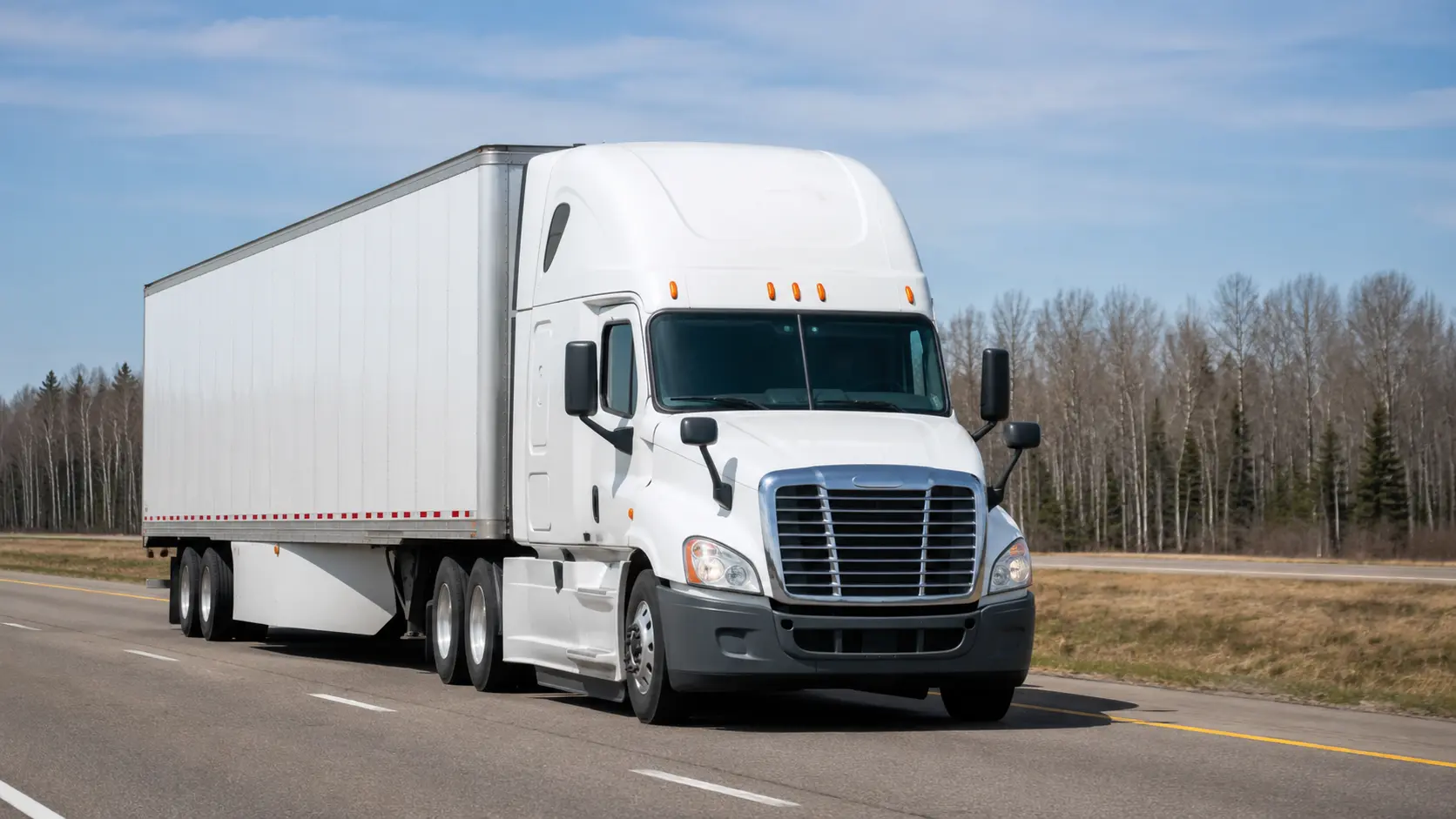
A Freight and Logistics Company manages the movement, coordination, and planning required to transport commercial goods efficiently. These companies connect transportation resources with business requirements by organizing carriers, equipment, routes, schedules, documentation, and shipment visibility.
While freight transportation focuses on physically moving products, logistics management covers the broader process of planning and controlling how goods move through the supply chain. This may include selecting transportation methods, coordinating multiple carriers, managing delivery schedules, monitoring shipment progress, and improving overall operational efficiency.
| Service Area | Main Responsibility | Business Benefit |
|---|---|---|
| Freight Transportation | Moving goods between locations | Reliable product delivery |
| Logistics Coordination | Planning and managing freight activities | Improved operational control |
| Supply Chain Support | Managing transportation networks | Greater efficiency and visibility |
Understanding Freight Transportation and Logistics Management
Freight transportation involves the physical movement of goods using different transportation methods, including truckload shipping, LTL transportation, dedicated freight services, specialized equipment, and cross-border freight solutions. Logistics management adds strategic planning and coordination to ensure these transportation activities operate efficiently.
A capable Freight and Logistics Company evaluates shipment requirements, identifies suitable transportation options, coordinates available capacity, and monitors performance throughout the freight journey.
The Difference Between Freight Services and Logistics Services
Freight services and logistics services are closely connected, but they perform different functions within a commercial supply chain. Understanding this distinction is important when selecting a Freight and Logistics Company, because businesses need to determine whether they simply require transportation capacity or a broader system for planning and managing freight movement.
Freight services generally focus on the physical execution of transportation. This can include assigning trucks, selecting appropriate equipment, scheduling pickups, moving cargo between locations, and completing deliveries. For businesses with straightforward transportation requirements, these services may provide everything needed to move goods reliably from origin to destination.
Logistics services extend beyond the physical movement of freight. A Freight and Logistics Company providing comprehensive logistics support may coordinate transportation planning, carrier selection, freight scheduling, shipment tracking, route management, inventory movement, warehouse coordination, cross-border requirements, and communication between multiple participants in the supply chain.
This broader approach becomes increasingly valuable as transportation networks become more complex. A company managing one predictable shipment between two locations may only require basic freight transportation. However, a business coordinating multiple suppliers, warehouses, distribution centres, customers, and transportation routes requires considerably more planning.

A Freight and Logistics Company can help connect these individual transportation activities into a structured logistics process. Instead of treating every shipment as an independent movement, logistics teams evaluate how transportation decisions affect inventory availability, production schedules, warehouse capacity, customer delivery commitments, and overall supply chain performance.
For example, a manufacturer may need inbound materials delivered according to production schedules while simultaneously coordinating outbound finished goods to several distribution centres. A retailer may need inventory transferred between warehouses while maintaining scheduled replenishment deliveries to stores. In these situations, a Freight and Logistics Company can coordinate multiple freight activities while maintaining visibility across the broader transportation network.
Another important difference involves planning and problem resolution. Freight transportation focuses primarily on completing a specific shipment, while logistics management considers how multiple shipments interact with broader operational requirements. When transportation conditions change, a Freight and Logistics Company can review alternative routes, carrier availability, delivery schedules, and inventory priorities to determine how the overall logistics plan should be adjusted.
For businesses experiencing growth, this distinction becomes even more important. As shipment frequency, geographic coverage, and operational complexity increase, managing transportation internally can require significant time and resources. Working with a Freight and Logistics Company provides access to transportation expertise and logistics coordination that can scale alongside changing business requirements.
Ultimately, freight services provide the transportation capacity required to move goods, while logistics services provide the planning and coordination required to manage that movement as part of a larger supply chain. A qualified Freight and Logistics Company can combine both functions, giving businesses a more integrated approach to commercial transportation.
How Freight and Logistics Companies Support Businesses
Businesses rely on a professional Freight and Logistics Company to improve transportation reliability, reduce operational complexity, and create more predictable freight processes. As supply chains expand, organizations must coordinate carriers, equipment, pickup schedules, delivery appointments, shipment information, and changing transportation conditions across multiple locations.
A Freight and Logistics Company helps organize these activities so transportation remains aligned with broader business requirements. Rather than requiring internal teams to manage every carrier conversation, route decision, shipment update, and delivery issue independently, logistics professionals provide a centralized structure for freight coordination.
One of the primary ways a Freight and Logistics Company supports businesses is through transportation planning. Before freight moves, logistics teams can review shipment size, cargo characteristics, origin and destination, equipment requirements, delivery deadlines, and available transportation capacity. This information helps determine an appropriate freight strategy for each shipment.
Carrier management is another important responsibility. Businesses may require different transportation providers depending on route, equipment, shipment volume, or service requirements. A Freight and Logistics Company can coordinate these relationships while helping maintain consistent transportation standards across multiple freight movements.
Ready to Ship With Confidence?
Tell us a few details and we'll recommend the most efficient shipping option.
Get Your Freight Quote
Shipment visibility also contributes significantly to operational performance. Through tracking systems, dispatch communication, and transportation management technology, a Freight and Logistics Company can provide businesses with better information about active shipments. Improved visibility allows operations teams to prepare for deliveries, manage inventory, communicate with customers, and respond more effectively when transportation conditions change.
Logistics support becomes particularly valuable when freight demand fluctuates. Seasonal increases, unexpected orders, production changes, or business expansion can quickly create additional transportation requirements. A flexible Freight and Logistics Company can help businesses evaluate capacity, adjust freight schedules, and coordinate additional transportation resources without requiring major changes to internal logistics infrastructure.
Cross-border transportation introduces another level of complexity. Businesses moving freight between Canada and the United States must consider customs documentation, border procedures, carrier coordination, regulatory requirements, and delivery scheduling. A Freight and Logistics Company can help connect these requirements with the broader transportation plan so international shipments remain aligned with inventory and customer commitments.
A Freight and Logistics Company may also support businesses by coordinating different transportation models. Depending on shipment requirements, this can include full truckload, less than truckload, dedicated freight, expedited transportation, specialized freight, regional distribution, or cross-border movement. Having access to multiple freight strategies allows businesses to select transportation based on actual operational needs rather than relying on a single shipping method.
The long-term value of working with a Freight and Logistics Company extends beyond individual deliveries. Consistent transportation data and operational experience can help identify recurring delays, inefficient routes, capacity challenges, and opportunities to improve freight planning. Over time, these insights can support stronger transportation decisions and more predictable supply chain performance.
Through coordinated planning, transportation expertise, shipment visibility, technology, and ongoing communication, a Freight and Logistics Company helps businesses maintain control over increasingly complex freight operations. This allows internal teams to focus more attention on production, sales, inventory, customer service, and business growth while transportation professionals manage the movement and coordination required to keep the supply chain operating efficiently.

Freight Transportation Services Offered by Logistics Companies
| Freight Service | Best Used For | Main Advantage |
|---|---|---|
| Full Truckload (FTL) | Large shipments requiring dedicated trailer space | Direct transportation with fewer handling points |
| Less Than Truckload (LTL) | Smaller commercial shipments | Cost-efficient shared transportation |
| Dedicated Freight | Recurring or specialized transportation needs | Consistent capacity and scheduling |
| Cross-Border Freight | Canada-USA transportation | International route coordination |
Full Truckload (FTL) Freight Services
Full Truckload transportation is commonly used when a shipment requires the complete capacity of a trailer. FTL freight services provide direct movement between pickup and delivery locations, reducing unnecessary handling and improving control over delivery schedules.
A Freight and Logistics Company may recommend FTL shipping for large-volume shipments, time-sensitive deliveries, industrial materials, retail inventory, and freight requiring dedicated transportation capacity.
Less Than Truckload (LTL) Shipping
Less Than Truckload shipping allows businesses to transport smaller quantities of freight by sharing trailer space with other shipments. This option is often more economical for companies that do not require an entire truck.
Logistics providers help businesses manage LTL transportation by coordinating carriers, optimizing shipment schedules, selecting suitable service levels, and improving delivery visibility.
Dedicated Freight Transportation
Dedicated freight solutions provide businesses with consistent transportation capacity reserved for specific routes, customers, or operational requirements. This approach is particularly valuable for companies with recurring shipments that require predictable schedules and dependable service.
Dedicated transportation can improve reliability by reducing dependence on spot market capacity and creating stronger long-term relationships between businesses and carriers.
Regional and Canada-Wide Freight
Canadian businesses often require transportation solutions that extend beyond local delivery networks. Freight and logistics companies coordinate regional and national transportation through carrier networks, route planning, dispatch management, and distribution strategies.
Whether moving products within British Columbia, across Western Canada, or between provinces, logistics providers help businesses maintain consistent freight operations across larger geographic areas.
Cross-Border Freight Transportation
Cross-border freight between Canada and the United States requires additional planning due to customs procedures, documentation requirements, border regulations, and route considerations.
Experienced logistics companies coordinate carriers, documentation, scheduling, and communication to help businesses manage international freight movement more effectively.
Specialized Freight Solutions
Some shipments require specialized equipment, additional planning, or unique handling procedures. These may include oversized machinery, heavy equipment, temperature-sensitive products, industrial components, hazardous materials, or project cargo.
A capable Freight and Logistics Company evaluates cargo requirements and develops transportation strategies that match equipment capabilities, safety standards, and delivery expectations.

How Logistics Companies Improve Supply Chain Performance
Supply chain performance depends on more than transportation speed. Businesses need reliable planning, accurate information, efficient coordination, and the ability to respond quickly when conditions change. A professional Freight and Logistics Company helps organizations improve these areas by combining transportation expertise with operational management.
Effective freight management increasingly depends on coordination across the entire transportation and logistics network. Transport Canada’s National Supply Chain Office emphasizes the importance of improving supply chain efficiency, resilience, visibility, and information sharing across the movement of goods. These priorities reflect the broader role of a Freight and Logistics Company, where transportation planning, carrier coordination, technology, and shipment visibility work together to create more reliable and adaptable supply chain operations.
Through structured logistics processes, businesses can reduce delays, improve shipment visibility, manage transportation costs, and create more predictable supply chain operations.
Better Freight Planning
Effective freight planning involves understanding shipment requirements, selecting appropriate transportation methods, evaluating available capacity, and creating efficient delivery schedules.
Logistics companies analyze factors such as freight volume, destination, equipment requirements, customer expectations, and transportation timelines to develop more effective shipping strategies.
Improved Transportation Coordination
Coordinating multiple shipments, carriers, warehouses, and delivery schedules requires accurate communication and operational visibility. Logistics providers manage these interactions to reduce confusion and improve transportation consistency.
Reduced Delivery Delays
Delivery delays can affect production schedules, inventory availability, and customer satisfaction. Logistics companies reduce these risks through proactive planning, route management, shipment monitoring, and quick response when unexpected issues occur.
Greater Shipment Visibility
Modern logistics operations rely heavily on technology to provide real-time updates, tracking information, documentation access, and performance reporting.
Improved visibility allows businesses to make faster decisions and communicate more effectively with customers, suppliers, and internal teams.
More Reliable Supply Chain Operations
By combining transportation management, carrier coordination, technology, and industry experience, a Freight and Logistics Company helps businesses create stronger and more resilient supply chains.
This reliability becomes especially valuable for organizations managing complex freight requirements, multiple locations, seasonal demand changes, or time-sensitive deliveries.
Industries That Rely on Freight and Logistics Companies
Almost every major industry depends on reliable transportation networks to move products, materials, equipment, and inventory. A professional Freight and Logistics Company provides businesses with the infrastructure, coordination, and transportation expertise required to maintain efficient supply chains across local, regional, national, and international markets.
Different industries have unique freight requirements. Manufacturing companies may need industrial transportation and scheduled deliveries, while retailers require consistent distribution and inventory movement. Logistics providers adapt their services according to product characteristics, operational demands, and customer expectations.
Manufacturing and Industrial Businesses
Manufacturing operations depend on consistent access to raw materials, production components, machinery, and finished goods transportation. Any disruption in freight movement can affect production schedules, inventory availability, and customer commitments.
A Freight and Logistics Company supports manufacturers through coordinated transportation planning, dedicated freight solutions, industrial cargo handling, and reliable carrier management. These services help manufacturers maintain smoother production cycles while reducing transportation-related disruptions.
Retail and Distribution Companies
Retail businesses rely on efficient logistics networks to keep products available across stores, warehouses, and online sales channels. Customer expectations for faster delivery have increased the importance of accurate inventory coordination and dependable transportation.
Freight logistics services help retailers manage replenishment schedules, regional distribution, e-commerce fulfillment, and large-scale product movement while improving supply chain visibility.
Construction and Infrastructure
Construction projects require the movement of heavy equipment, building materials, structural components, and specialized cargo. These shipments often involve unique transportation challenges, including oversized dimensions, job-site access requirements, and strict delivery schedules.
Logistics providers coordinate equipment availability, route planning, specialized carriers, and delivery timing to support construction and infrastructure operations efficiently.
Food and Beverage Operations
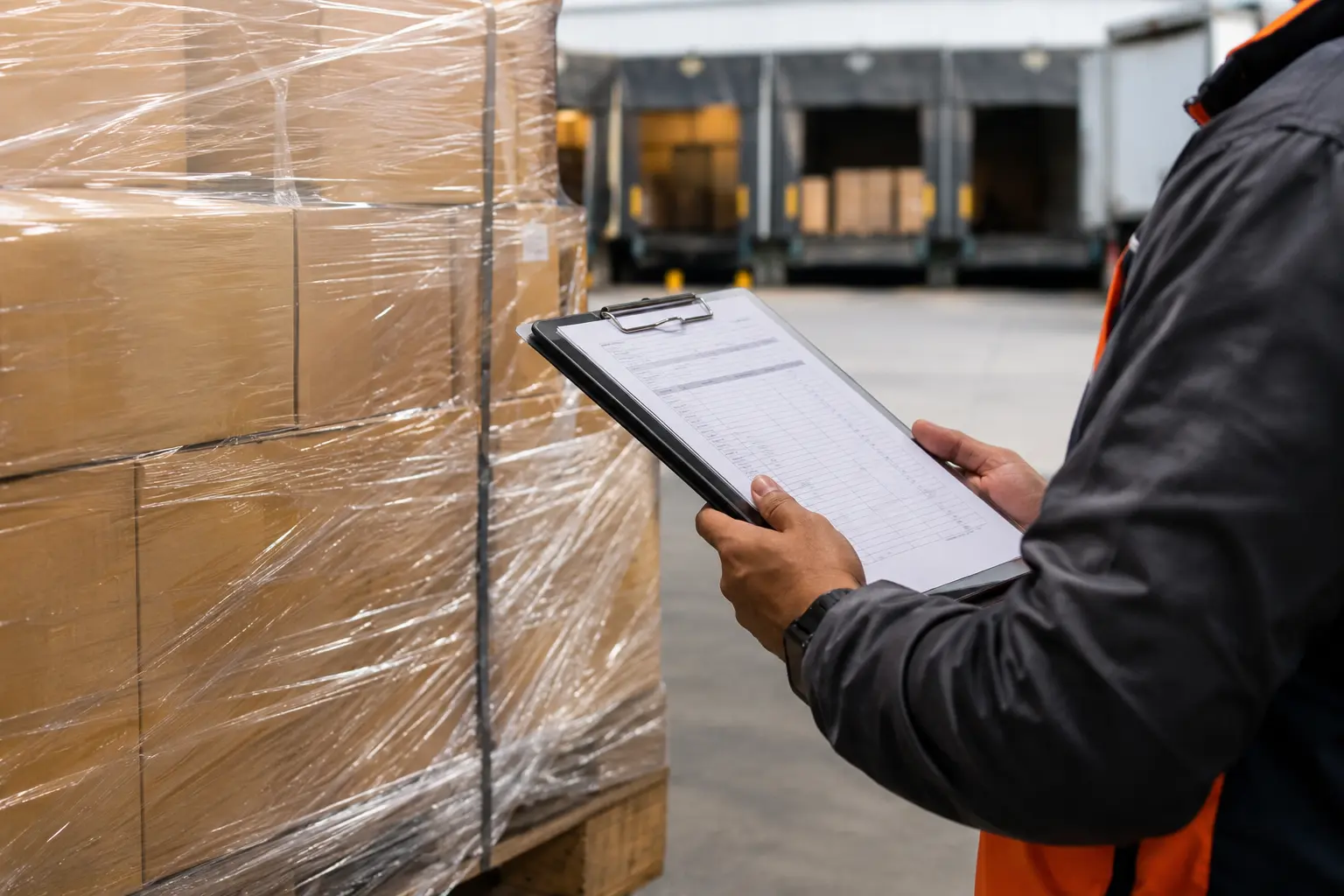
Food and beverage companies depend on reliable transportation solutions to maintain product quality, safety, and availability. Temperature-sensitive products may require refrigerated transportation, while distribution networks require accurate scheduling and inventory coordination.
A specialized Freight and Logistics Company can support food supply chains through refrigerated freight, distribution planning, shipment monitoring, and compliance-focused transportation practices.
Import and Export Businesses
Companies involved in international trade require transportation partners that understand cross-border procedures, customs documentation, freight scheduling, and international logistics coordination.
Freight logistics providers help importers and exporters manage transportation between Canada, the United States, and international markets by coordinating carriers, documentation, routes, and delivery timelines.
Warehousing and Distribution Networks
Warehouses and distribution centres rely on dependable freight movement to maintain inventory flow and support customer deliveries. Transportation coordination becomes especially important when businesses manage multiple facilities, regional distribution points, or high shipment volumes.
Logistics companies connect warehousing operations with transportation networks to create more efficient supply chain systems and improve delivery performance.
Types of Freight Managed by Logistics Companies
A modern Freight and Logistics Company manages many different types of cargo depending on industry requirements, transportation methods, equipment availability, and delivery expectations. Understanding freight characteristics allows logistics providers to select the right transportation solution for each shipment.
General Commercial Freight
General commercial freight includes everyday business shipments such as packaged goods, retail inventory, manufactured products, and distribution materials. These shipments often move through standard trucking networks using dry vans, LTL services, or full truckload transportation.
Industrial Equipment and Machinery
Industrial equipment often requires specialized transportation planning due to size, weight, handling requirements, and delivery conditions. Logistics providers coordinate suitable equipment, loading procedures, permits, and route planning for these shipments.
Oversized and Heavy Freight
Oversized cargo requires detailed transportation coordination, including equipment selection, route evaluation, regulatory compliance, and sometimes specialized permits or support vehicles.
Experienced logistics companies help businesses manage complex freight movements while reducing operational risks associated with heavy and oversized transportation.
Refrigerated Reefer Freight in Canada: Temperature-Controlled Transportation for Perishable and Sensitive Cargo
Let’s keep it simple:
You might also like
Temperature-Controlled Freight
Temperature-sensitive products require specialized transportation solutions that maintain controlled environmental conditions throughout the shipment process. This includes food products, pharmaceuticals, medical supplies, and other sensitive cargo.
Refrigerated freight services provided by experienced logistics partners help maintain product integrity while supporting regulatory and customer requirements.
Retail and Consumer Goods
Consumer goods require efficient transportation networks to support store replenishment, e-commerce fulfillment, and distribution centre operations. Logistics companies coordinate freight movement to maintain product availability and improve delivery consistency.
Time-Sensitive Shipments
Certain shipments require faster transportation solutions because delays may affect production, customer commitments, or business operations. Expedited freight services, dedicated transportation, and proactive dispatch coordination help support urgent delivery requirements.
Freight and Logistics Solutions Across Canada
Canada’s geographic size creates unique transportation challenges that require well-planned logistics networks. A reliable Freight and Logistics Company helps businesses move goods across provinces, connect regional markets, and manage transportation between Canada and international destinations.
From British Columbia freight networks to cross-border routes with the United States, logistics providers create transportation strategies designed around distance, capacity, timing, and customer requirements.
British Columbia Freight Networks
British Columbia serves as a major transportation gateway due to its ports, highways, industrial centres, and connections to Western Canadian markets. Freight companies operating in BC support industries including manufacturing, construction, retail distribution, agriculture, and international trade.
Logistics providers coordinate local deliveries, regional transportation, port-related freight movement, and connections between BC businesses and wider Canadian markets.
Western Canada Transportation
Western Canada transportation networks connect British Columbia, Alberta, Saskatchewan, and Manitoba through major highway corridors and commercial freight routes.
A strong logistics strategy helps businesses manage longer distances, optimize carrier capacity, and maintain reliable delivery schedules throughout Western Canada.
Interprovincial Freight Movement
Moving freight between Canadian provinces requires careful coordination of routes, equipment, scheduling, and carrier availability. Logistics companies help businesses manage these complexities while improving shipment visibility and operational reliability.
Canada-Wide Distribution
Businesses serving customers nationwide often require transportation partners capable of supporting multiple regions, distribution centres, and delivery requirements.
A Freight and Logistics Company creates scalable transportation solutions that allow businesses to expand without creating unnecessary operational complexity.
Canada-USA Cross-Border Transportation
Cross-border freight requires additional expertise in customs coordination, documentation management, border procedures, and international route planning.
Experienced logistics providers support businesses by coordinating carriers, managing transportation schedules, and helping shipments move efficiently between Canada and the United States.
Frequently Asked Questions About Freight and Logistics Companies
What is a Freight and Logistics Company?
A Freight and Logistics Company manages the transportation and coordination of commercial shipments. These companies support businesses through freight transportation, carrier coordination, shipment planning, tracking, and supply chain management services.
What is the difference between a freight company and a logistics company?
A freight company mainly focuses on transporting goods, while a logistics company provides broader services such as transportation planning, carrier selection, shipment monitoring, scheduling, and supply chain coordination.
What services does a Freight and Logistics Company provide?
Services may include Full Truckload (FTL), Less Than Truckload (LTL), dedicated freight transportation, cross-border shipping, specialized freight handling, shipment tracking, transportation management, and logistics coordination services.
Why should businesses work with a Freight and Logistics Company?
Working with a logistics partner helps businesses improve transportation reliability, access carrier capacity, reduce operational complexity, increase shipment visibility, and create more efficient freight strategies.
Can freight and logistics companies handle cross-border shipments?
Yes. Many freight and logistics companies coordinate Canada-USA transportation by managing carriers, documentation requirements, customs coordination, route planning, and delivery schedules.
What industries need freight and logistics services?
Manufacturing, construction, retail, food distribution, industrial businesses, import and export companies, healthcare suppliers, e-commerce businesses, and warehousing operations commonly rely on freight and logistics services.
How do logistics companies improve delivery performance?
Logistics companies improve delivery performance through route planning, carrier coordination, shipment monitoring, dispatch management, transportation technology, and proactive communication throughout the freight process.
What is the difference between a freight broker and a logistics company?
A freight broker mainly connects shippers with available carriers, while a logistics company typically provides broader transportation management, planning, tracking, coordination, and supply chain support.
Can a Freight and Logistics Company manage industrial shipments?
Yes. Many logistics providers manage industrial freight, heavy equipment, oversized cargo, specialized transportation requirements, and complex project shipments using suitable equipment and experienced carrier networks.
How do businesses choose the right logistics partner?
Businesses should evaluate transportation experience, service coverage, fleet capabilities, communication standards, technology systems, safety practices, and the ability to support long-term freight requirements.
Conclusion: Choosing the Right Freight and Logistics Partner in Canada
A reliable Freight and Logistics Company provides businesses with more than transportation capacity. It creates a structured approach to moving goods efficiently through complex supply chains by combining freight services, logistics planning, technology, carrier coordination, and operational expertise.
As Canadian businesses continue to expand across regional, national, and international markets, dependable logistics support becomes increasingly important. From manufacturing and retail to industrial operations and cross-border trade, organizations need transportation partners that can provide visibility, flexibility, and consistent freight performance.
The right logistics provider helps businesses manage challenges such as changing demand, transportation delays, limited capacity, complex routes, and specialized shipping requirements. Through better planning and coordinated freight solutions, companies can improve efficiency while reducing unnecessary operational complexity.
Whether a business requires regular commercial shipments, dedicated transportation, Canada-wide distribution, or cross-border freight services, selecting an experienced Freight and Logistics Company can create stronger supply chain performance and long-term operational advantages.






No comment