
Introduction
Industrial Freight Transport Canada plays a critical role in supporting the country’s manufacturing, construction, mining, energy, forestry, and infrastructure sectors. Businesses across these industries depend on reliable freight transportation to move machinery, equipment, raw materials, finished products, and project-critical cargo efficiently across regional, national, and international supply chains.
Unlike standard freight shipping, industrial freight transportation often involves larger shipment volumes, heavier cargo, specialized handling requirements, and strict delivery schedules. Many industrial shipments require dedicated transportation solutions, specialized trailers, heavy machinery transport capabilities, and detailed logistics planning to ensure freight arrives safely and on time.
Industrial logistics Canada networks connect production facilities, warehouses, project sites, resource operations, ports, and distribution centers throughout the country. These transportation systems help maintain inventory flow, support production schedules, and prevent costly operational disruptions.
From manufacturing freight services and industrial equipment shipping to project cargo transportation and cross-border freight movement, businesses rely on specialized freight solutions to meet increasingly complex logistics requirements. As supply chains continue to evolve, transportation providers play an essential role in maintaining efficiency and supporting economic growth.
For organizations managing commercial operations, understanding Industrial Freight Transport Canada is essential for optimizing logistics performance, improving supply chain reliability, and ensuring business-critical cargo moves efficiently across Canadian markets.
What Is Industrial Freight Transport?
Industrial Freight Transport Canada refers to the movement of machinery, equipment, raw materials, manufactured goods, and other business-critical cargo used in industrial operations. These shipments often require specialized transportation planning, dedicated equipment, and coordinated logistics support to ensure freight moves efficiently through complex supply chains.
Industrial freight transportation serves as a vital link between suppliers, manufacturers, construction projects, resource operations, and distribution networks across Canada.
How Industrial Freight Differs From Standard Freight
Industrial freight typically involves larger shipment volumes, heavier cargo, stricter delivery requirements, and more complex logistics than standard freight shipping. Many industrial shipments require specialized freight solutions due to their size, weight, value, or operational importance.
Heavy industrial cargo transport often demands dedicated equipment, route planning, and enhanced coordination to meet project requirements.
Industries That Depend on Industrial Transportation
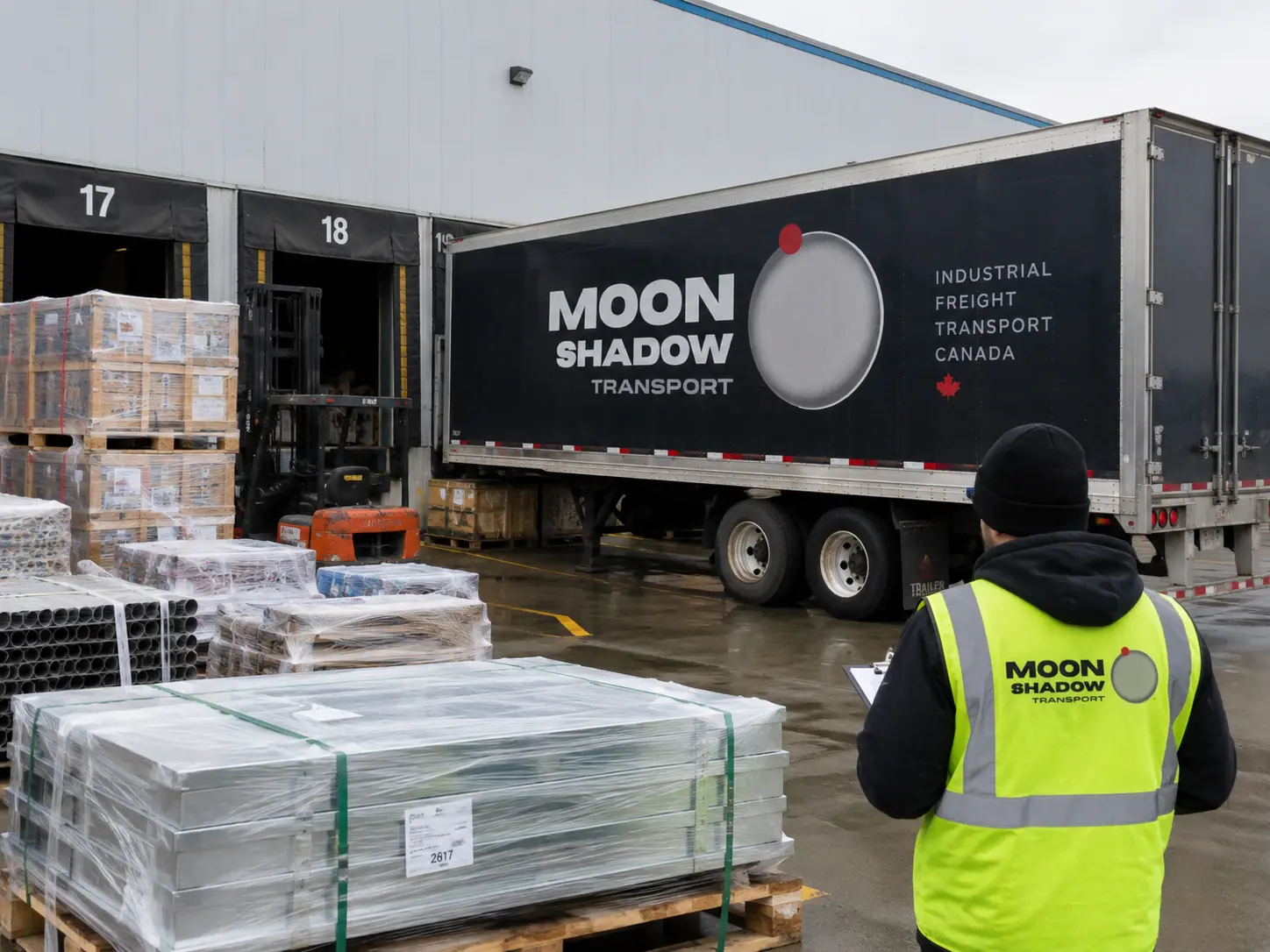
A wide range of industries rely on industrial trucking services and freight transportation services Canada providers. Manufacturing facilities require raw material deliveries and outbound product distribution. Construction companies depend on equipment and material transport. Mining, energy, forestry, and infrastructure sectors also require ongoing freight support.
Industrial logistics Canada networks help these industries maintain operational continuity and supply chain efficiency.
The Importance of Reliable Industrial Logistics
Reliable transportation is essential because delays can impact production schedules, project timelines, inventory availability, and overall business performance. Industrial equipment shipping often involves time-sensitive cargo that must arrive according to precise schedules.
Effective Industrial Freight Transport Canada services help businesses reduce downtime, improve efficiency, and maintain competitive operations.
Types of Industrial Freight Commonly Transported
Industrial Freight Transport Canada supports the movement of a wide variety of cargo essential to business operations, infrastructure development, manufacturing, and resource production. These shipments often require specialized handling, dedicated transportation equipment, and detailed logistics planning to ensure safe and efficient delivery.
Industrial freight transportation providers are equipped to manage both routine and highly specialized cargo across Canadian supply chains.
Manufacturing Equipment and Machinery
Manufacturing freight services frequently involve transporting production equipment, fabrication machinery, assembly systems, processing units, and industrial components. These assets are critical to maintaining production capacity and supporting facility expansions.
Industrial equipment shipping solutions help manufacturers move high-value equipment safely between facilities, suppliers, and project locations.
Construction Materials and Equipment
Construction operations rely on commercial freight transport Canada providers to move building materials, heavy equipment, structural components, and project supplies. Cargo may include excavators, cranes, steel products, concrete materials, and specialized construction machinery.
Reliable transportation helps construction projects stay on schedule and maintain productivity.
Mining and Resource Industry Cargo
Mining and resource operations often require heavy industrial cargo transport for equipment, processing systems, replacement parts, and operational supplies. These shipments may travel long distances to remote locations throughout Canada.
Industrial trucking services support resource industries by ensuring critical freight reaches operational sites efficiently.
Energy and Infrastructure Components
Energy projects and infrastructure developments depend on the movement of generators, transformers, turbines, utility equipment, structural components, and specialized project cargo. These shipments often involve strict schedules and detailed logistics coordination.
Project cargo transportation services help support large-scale industrial and public infrastructure initiatives.
Industrial Raw Materials and Finished Products
Industrial supply chains require continuous movement of raw materials into production facilities and finished products out to customers, distributors, and warehouses. Maintaining efficient inventory flow is essential for operational success.
Industrial logistics Canada providers coordinate these transportation activities to support reliable supply chain performance.
Industrial Freight Transport Solutions Across Canada
Industrial Freight Transport Canada includes a variety of transportation solutions designed to meet the unique requirements of industrial operations. Different shipment sizes, cargo types, delivery schedules, and supply chain structures require flexible freight options that can support businesses across multiple industries.
Selecting the right transportation model helps improve efficiency, control costs, and maintain operational continuity.
Full Truckload (FTL) Industrial Freight
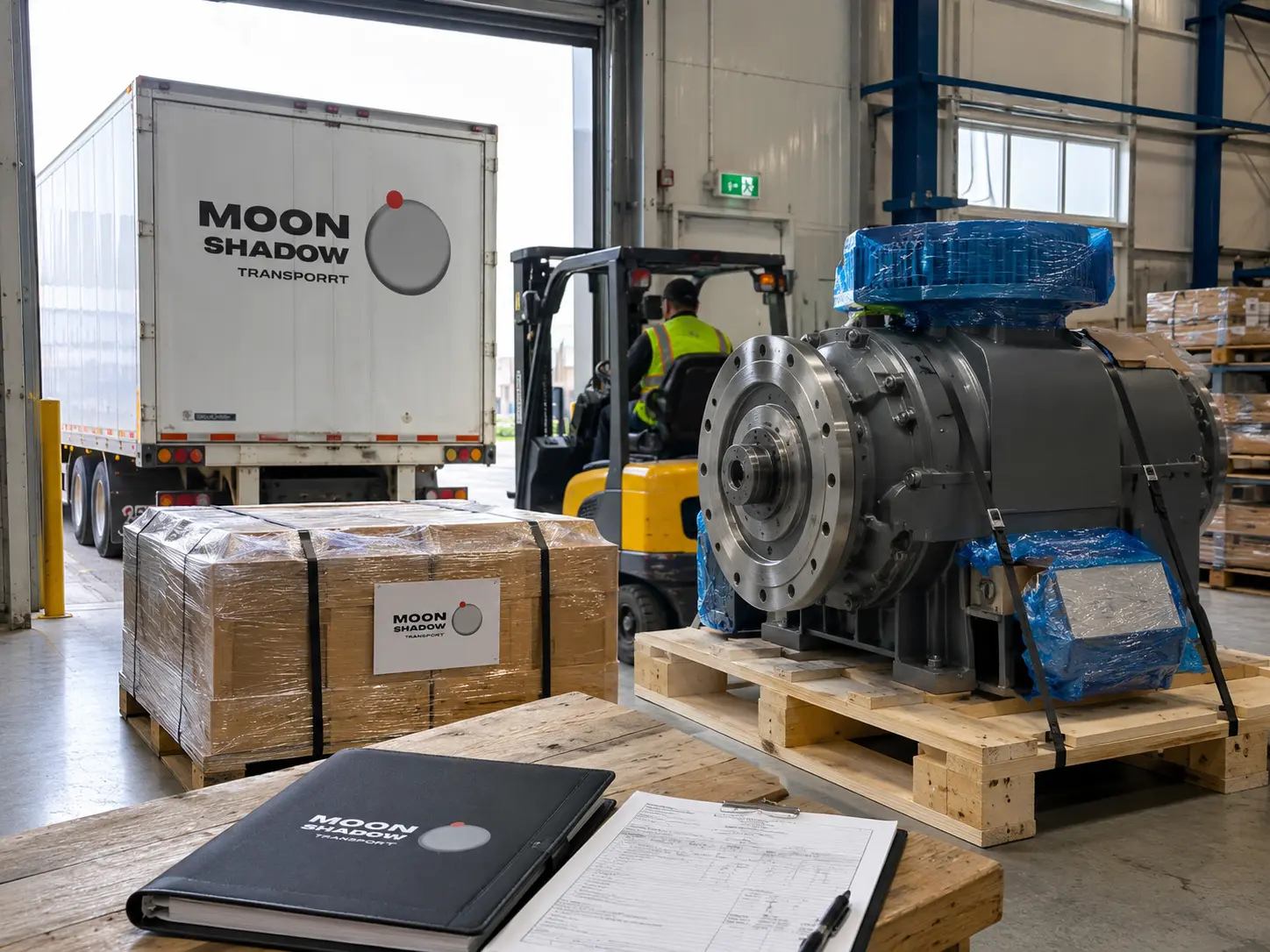
Full truckload transportation is commonly used when a shipment occupies most or all of a trailer’s available capacity. FTL services provide dedicated transportation, direct routing, and reduced freight handling.
Many manufacturing freight services and heavy industrial cargo transport projects rely on full truckload shipping to improve transit efficiency and delivery reliability.
Less Than Truckload (LTL) Industrial Shipments
Less than truckload shipping allows multiple businesses to share trailer space, making it a cost-effective option for smaller industrial shipments. Companies only pay for the space their freight occupies.
Industrial logistics Canada providers frequently use LTL networks to support recurring shipments, inventory replenishment, and regional distribution requirements.
Dedicated Industrial Transportation
Some industrial operations require transportation resources dedicated exclusively to their cargo. Dedicated freight services provide greater scheduling control, improved shipment visibility, and customized logistics support.
Industrial equipment shipping and project cargo transportation often benefit from dedicated transportation solutions due to their complexity and operational importance.
Cross-Border Industrial Freight Services
Many Canadian businesses move industrial freight between Canada and the United States. Cross-border transportation requires customs coordination, regulatory compliance, and detailed logistics planning.
Industrial Freight Transport Canada providers help businesses manage international freight movement while maintaining efficient supply chain operations.
Challenges in Industrial Freight Transportation
Industrial Freight Transport Canada involves moving high-value, heavy, and business-critical cargo through complex transportation networks. While industrial freight services provide essential supply chain support, they also face operational challenges that require careful planning and specialized expertise.
Managing these challenges effectively helps businesses maintain production schedules, reduce risk, and improve transportation performance.
Oversized and Heavy Cargo Requirements
Many industrial shipments exceed standard freight dimensions or weight limits. Heavy machinery transport, manufacturing equipment, and project cargo often require specialized trailers, permits, route planning, and loading procedures.
Specialized freight solutions help businesses move oversized cargo safely while complying with transportation regulations.
Strict Delivery Schedules
Industrial operations frequently depend on precise delivery timing. Delays in equipment, raw materials, or replacement components can interrupt production and affect project timelines.
Industrial trucking services must coordinate transportation carefully to meet operational deadlines and maintain supply chain continuity.
Supply Chain Disruptions
Weather events, capacity shortages, infrastructure constraints, labor issues, and market fluctuations can all impact freight movement. Industrial logistics Canada providers must remain flexible and proactive when responding to transportation disruptions.
Strong logistics planning helps minimize the impact of unexpected challenges.
Regulatory and Safety Compliance
Industrial freight transportation often involves strict safety standards, cargo securement requirements, weight regulations, and industry-specific compliance obligations. Failure to meet these requirements can result in delays, penalties, or operational risks.
Experienced freight transportation services Canada providers help businesses navigate these regulatory responsibilities effectively.
Industrial Freight and Supply Chain Efficiency
Efficient Industrial Freight Transport Canada services play a direct role in improving supply chain performance for businesses that depend on heavy, specialized, and high-value cargo movement. Industrial operations often require precise coordination between suppliers, manufacturers, warehouses, project sites, distribution centers, and end customers. When freight movement is delayed or poorly coordinated, the impact can extend across production schedules, inventory systems, project timelines, and customer commitments.
Reliable Industrial Freight Transport Canada solutions help businesses maintain productivity by ensuring materials, machinery, components, and finished goods move consistently through every stage of the supply chain. In industrial environments, transportation is not just a support function; it is a critical operational system that directly affects output, efficiency, and cost control.
Strong transportation networks support both day-to-day operations and long-term business growth. By combining route planning, equipment availability, shipment visibility, and disciplined scheduling, Industrial Freight Transport Canada providers help businesses reduce disruption, strengthen logistics performance, and maintain supply chain continuity across regional and national markets.
Reducing Production Downtime
Manufacturing facilities and industrial operations depend on timely freight movement to keep production lines active and project schedules on track. Delays in receiving equipment, components, raw materials, or replacement parts can create serious operational disruptions. In some industries, even a short transportation delay can slow production, increase labor costs, or interrupt customer delivery commitments.
This is where Industrial Freight Transport Canada becomes especially valuable. Reliable transport systems help reduce downtime by aligning shipment schedules with production requirements and operational timelines. Industrial freight providers coordinate pickup windows, delivery schedules, route planning, and equipment allocation to ensure critical freight arrives when needed.
For businesses operating with just-in-time inventory models or tightly scheduled production cycles, dependable Industrial Freight Transport Canada services help prevent bottlenecks and reduce the risk of costly interruptions. Responsive transportation support also allows companies to react quickly when urgent materials or replacement equipment must be moved to avoid extended downtime.
Supporting Manufacturing Operations
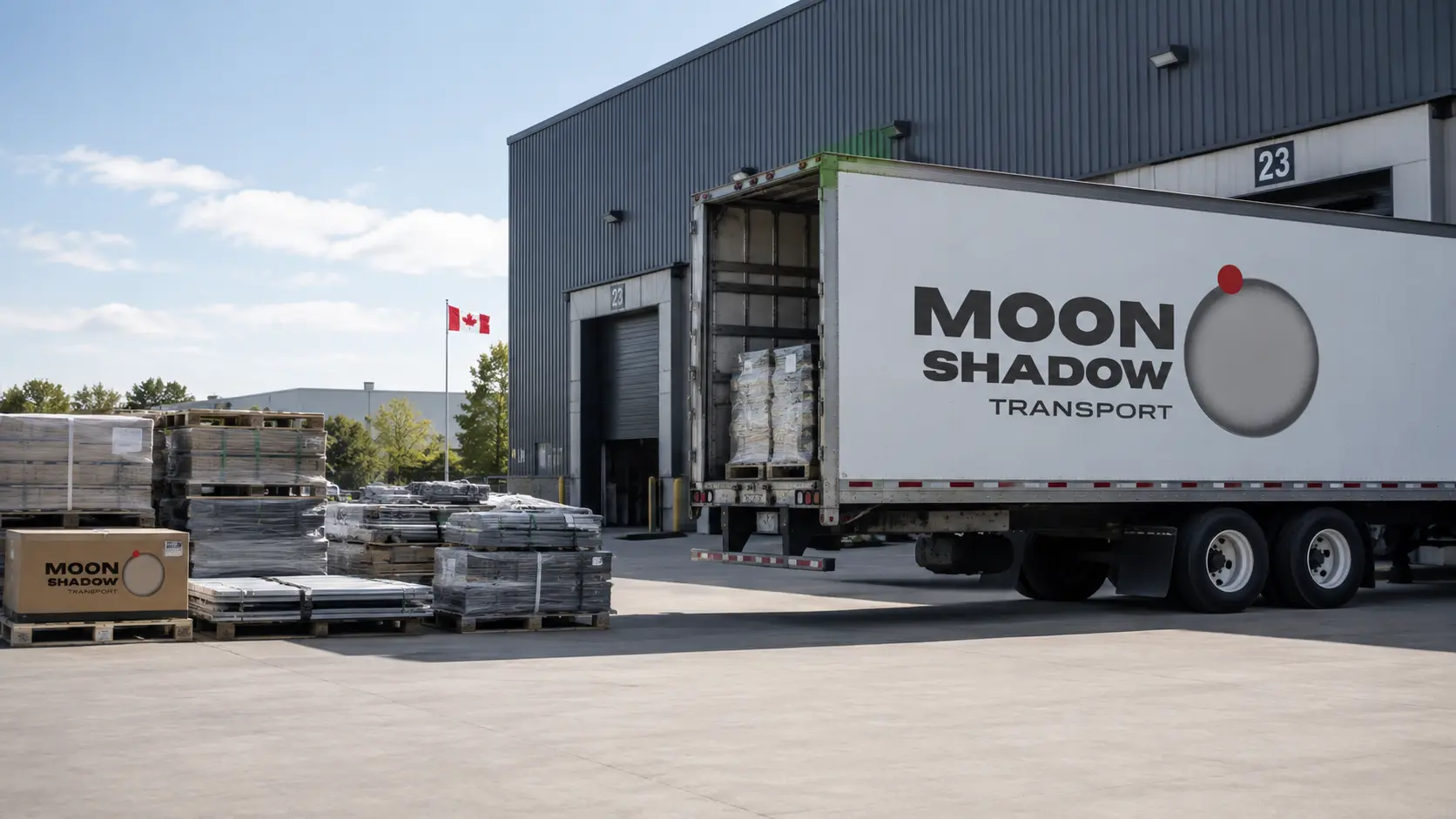
Manufacturing operations rely heavily on consistent inbound and outbound freight movement. Inbound transportation ensures production facilities receive the raw materials, components, tools, and equipment needed to maintain output. Outbound transportation is equally important for moving finished products to warehouses, distributors, retailers, or customers.
Professional Industrial Freight Transport Canada services support both sides of this process by creating structured freight systems that align transportation activity with manufacturing schedules. This coordination helps manufacturers maintain stable production flow, reduce inventory pressure, and improve order fulfillment accuracy.
Manufacturing freight may include palletized components, industrial machinery, fabricated materials, packaging supplies, or finished commercial products. Each shipment may require different handling methods, trailer types, or delivery schedules. Experienced Industrial Freight Transport Canada providers understand how to manage these requirements while maintaining reliable transit performance.
Consistent freight movement strengthens manufacturing operations by reducing uncertainty. When transportation is predictable, businesses can plan production, labor, inventory, and customer delivery timelines with greater confidence.
Coordinating Multi-Site Deliveries
Many industrial businesses operate across multiple facilities, warehouses, production sites, project locations, or regional distribution centers. Coordinating freight between these locations requires detailed planning and strong logistics management. Without structure, multi-site transportation can quickly become inefficient, leading to missed delivery windows, inventory imbalance, and operational delays.
Industrial Freight Transport Canada providers help businesses synchronize freight movement across complex operational networks. This includes coordinating multiple pickup and delivery points, planning efficient routes, managing delivery sequencing, and maintaining communication between all involved locations.
Multi-site industrial freight may involve moving materials from suppliers to production facilities, transferring equipment between project sites, delivering finished goods to distribution centers, or coordinating recurring shipments across regional operations. Structured Industrial Freight Transport Canada systems ensure these movements are connected, organized, and aligned with business priorities.
Effective multi-site coordination improves overall supply chain performance by reducing duplication, improving route efficiency, and helping each facility receive the right freight at the right time.
Improving Inventory Flow
Efficient inventory movement is essential for maintaining supply chain balance. Industrial businesses must avoid both excess inventory and material shortages. Too much inventory can increase storage costs and reduce operational flexibility, while too little inventory can interrupt production or delay project execution.
Industrial Freight Transport Canada services support stronger inventory control by keeping materials and products moving consistently between suppliers, facilities, and customers. Predictable freight schedules help businesses maintain appropriate stock levels and reduce the need for emergency shipments.
Commercial freight transport Canada solutions also improve responsiveness. When transportation systems are reliable, businesses can react more effectively to changes in demand, production schedules, or project requirements. This creates a more agile supply chain where inventory movement supports operations instead of creating bottlenecks.
By improving inventory flow, Industrial Freight Transport Canada helps businesses reduce waste, improve planning accuracy, and maintain stronger operational control across industrial supply chains.
How Businesses Choose an Industrial Freight Partner
Selecting the right provider for Industrial Freight Transport Canada is an important strategic decision for any business moving industrial cargo. These shipments often involve high-value equipment, heavy materials, strict timelines, specialized handling requirements, and complex logistics coordination. Because of this, transportation reliability becomes a critical factor in operational success.
A strong Industrial Freight Transport Canada partner should provide more than basic trucking capacity. Businesses should evaluate providers based on equipment capability, industry experience, safety performance, logistics visibility, communication quality, and long-term service value.
The right freight partner can help reduce risk, improve delivery performance, strengthen supply chain reliability, and support future operational growth.
Transportation Capacity and Fleet Availability
Fleet capability is one of the most important factors when choosing an Industrial Freight Transport Canada provider. Industrial cargo often requires specific equipment, trailer configurations, and handling systems depending on freight size, weight, and delivery conditions.
Different industrial shipments may require:
- Flatbed trailers
- Step-deck trailers
- Specialized trailers
- Dedicated equipment
- Heavy machinery transport capabilities
- Secure load systems
- High-capacity freight solutions
A reliable Industrial Freight Transport Canada provider must have access to the proper equipment and operational capacity needed to support these requirements. Fleet availability is especially important for time-sensitive shipments, recurring industrial lanes, or project-based freight movement where delays can affect production or construction schedules.
Strong transportation capacity ensures shipments move according to project requirements, operational timelines, and customer delivery commitments.
Industry Experience and Expertise
Industrial freight transportation requires specialized knowledge of manufacturing, construction, mining, energy, infrastructure, and industrial supply chains. Providers with industry-specific experience are better equipped to understand cargo requirements, scheduling demands, safety expectations, and route planning challenges.
Experienced Industrial Freight Transport Canada providers know how to manage complex freight conditions such as oversized cargo, heavy equipment, restricted delivery sites, remote project locations, and strict delivery windows. This expertise allows them to anticipate challenges before they create disruptions.
Industry experience also improves planning accuracy. A provider familiar with industrial operations can recommend the right equipment, coordinate site access, manage delivery sequencing, and support efficient freight execution from pickup to final delivery.
Businesses that work with experienced Industrial Freight Transport Canada partners often benefit from fewer delays, better communication, and stronger logistics performance.
Safety Standards and Compliance
Safety is a fundamental component of Industrial Freight Transport Canada operations. Industrial cargo can be heavy, oversized, high-value, or sensitive to handling conditions, making proper safety procedures essential throughout the transportation process.
Businesses should evaluate a provider’s safety programs, driver training standards, regulatory compliance practices, cargo securement procedures, equipment inspection routines, and operational controls.
Strong safety performance helps protect:
- Freight and equipment
- Drivers and personnel
- Customers and job site teams
- Public infrastructure
- Business timelines
- Regulatory compliance status
A professional Industrial Freight Transport Canada provider should follow disciplined safety standards and maintain compliance with applicable transportation regulations. Proper load securement, preventative maintenance, and trained operators reduce the risk of accidents, cargo damage, and shipment delays.
For industrial freight, safety is directly connected to reliability. A provider with strong safety systems is more likely to deliver freight securely, consistently, and on schedule.
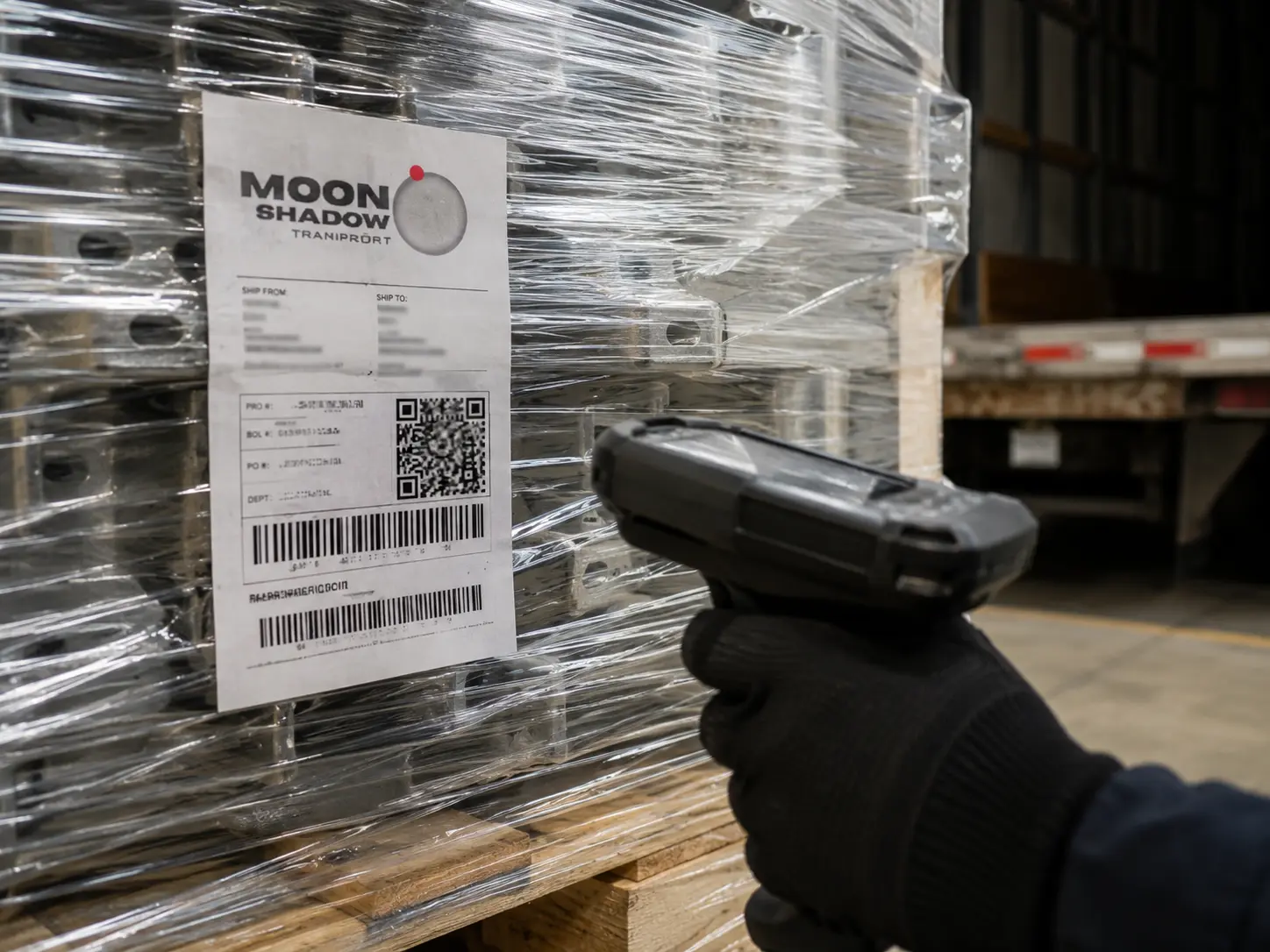
Visibility and Shipment Tracking
Modern industrial supply chains depend on accurate shipment information and transportation visibility. Businesses need to know where their freight is, when it will arrive, and whether any delays or route changes may affect operations.
Reliable Industrial Freight Transport Canada providers offer tracking capabilities, proactive communication, and real-time shipment updates that help businesses maintain stronger control over logistics planning.
Improved visibility supports:
- Better inventory management
- More accurate production planning
- Stronger project coordination
- Faster response to delays
- Better communication with customers
- Improved operational decision-making
Shipment tracking is especially important for industrial freight because delays can affect multiple stages of a project or production cycle. By maintaining clear communication and freight visibility, Industrial Freight Transport Canada providers help businesses reduce uncertainty and manage operations with greater confidence.
A strong freight partner combines equipment capability, logistics expertise, safety discipline, and shipment visibility into one reliable transportation solution. For businesses handling industrial cargo across Canada, choosing the right Industrial Freight Transport Canada provider supports long-term efficiency, operational stability, and supply chain resilience.
Industrial Freight Transport Across Major Canadian Markets






No comment