
Introduction
Heavy Haul Trucking BC & Canada provides specialized transportation solutions for oversized, overweight, and high-value freight that exceeds standard legal transportation limits. Unlike conventional trucking operations, heavy haul transportation requires specialized equipment, detailed route planning, permit coordination, and experienced logistics management to move large cargo safely and efficiently across British Columbia and throughout Canada.
Industries such as construction, mining, energy, manufacturing, forestry, and infrastructure development depend heavily on heavy haul transportation Canada services to move equipment and materials that cannot be transported using standard freight methods. Large excavators, mining machinery, transformers, turbines, steel structures, generators, and industrial processing equipment often require specialized trucking services designed specifically for oversized freight.
Oversized load transport BC operations present unique logistical challenges due to mountainous terrain, infrastructure limitations, seasonal weather conditions, and strict transportation regulations. Successful heavy equipment transportation projects require detailed planning to ensure cargo can move safely while complying with provincial and federal transportation requirements.
Heavy machinery hauling often involves permit load transportation procedures that include route approvals, escort vehicles, engineering assessments, and coordination with multiple transportation authorities. These requirements help protect public infrastructure while ensuring freight arrives safely at its destination.
Whether supporting large construction projects, industrial expansions, mining operations, or critical infrastructure development, Heavy Haul Trucking BC & Canada plays a vital role in keeping major industries operating efficiently and on schedule.
What Is Heavy Haul Trucking?
Heavy Haul Trucking BC & Canada refers to the transportation of freight that exceeds standard legal size, width, height, length, or weight limits established by transportation authorities. Because these loads cannot be moved using conventional freight methods, specialized equipment, permits, route planning, and safety procedures are required.
Heavy haul transportation Canada services are designed to support industries that depend on the movement of large and complex cargo across regional, provincial, and national transportation networks.
How Heavy Haul Freight Differs From Standard Trucking
Standard freight shipments typically move within regulated size and weight limits using conventional trailers and transportation routes. Heavy haul freight, however, often exceeds these restrictions and requires specialized trucking services capable of handling unique transportation challenges.
Oversized load transport BC projects frequently involve additional planning, permit approvals, escort vehicles, and engineering considerations that are not required for regular freight movement.
Types of Oversized and Overweight Loads
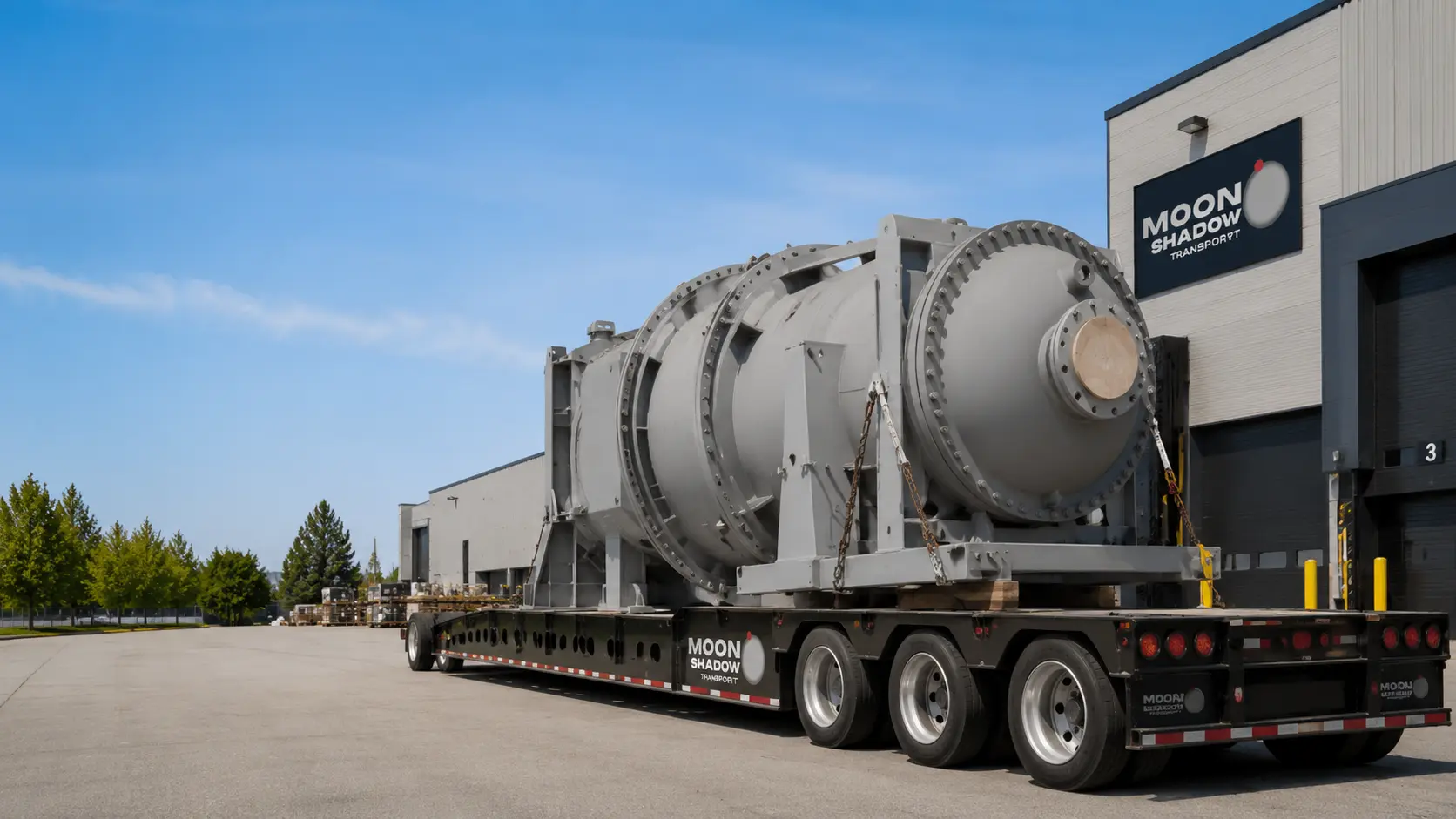
Heavy haul cargo can include a wide variety of freight types depending on industry requirements. Common examples include construction equipment transport, heavy machinery hauling, industrial processing units, mining equipment, transformers, turbines, generators, steel structures, and large infrastructure components.
Project cargo transportation often involves custom freight solutions because each load presents different dimensional and logistical requirements.
Industries That Depend on Heavy Haul Transportation
Numerous industries rely on heavy haul carrier Canada services to support operations and project development. Construction companies move cranes, excavators, and earthmoving equipment. Mining operations transport oversized machinery and processing systems. Energy and infrastructure projects frequently require transportation of large components that cannot be disassembled for shipping.
Industrial freight transport Canada providers help ensure these critical assets reach project sites safely and efficiently.
Heavy Haul Freight Services Across BC and Canada
Heavy Haul Trucking BC & Canada supports a wide range of industries that require the movement of oversized, overweight, and specialized freight. Because every heavy haul project has unique transportation requirements, carriers must provide customized solutions that combine specialized equipment, route planning, and regulatory compliance.
From local equipment relocations to long-distance heavy haul trucking projects, these services are essential for major industrial and infrastructure operations across Canada.
Construction Equipment Transportation
Construction projects frequently require the transportation of large machinery between job sites, staging areas, and equipment yards. Excavators, bulldozers, graders, cranes, loaders, and paving equipment often exceed standard transportation limits and require specialized handling.
Heavy equipment transportation providers coordinate permits, trailer selection, and route planning to ensure construction equipment arrives safely and on schedule.
Industrial Machinery and Manufacturing Equipment
Manufacturing facilities often relocate or install large production equipment that cannot be transported using conventional freight methods. Industrial machinery may include processing systems, fabrication equipment, production lines, and specialized manufacturing components.
Industrial freight transport Canada services help businesses move these assets efficiently while minimizing operational disruptions.
Energy, Mining, and Infrastructure Freight
Energy projects, mining operations, and infrastructure developments regularly depend on oversized load transport BC services. Common cargo includes generators, transformers, turbines, mining equipment, pipeline components, and structural materials.
Heavy haul transportation Canada providers manage these complex freight movements through detailed logistics planning and specialized transportation equipment.
Project Cargo and Specialized Loads
Project cargo transportation involves freight that requires unique transportation strategies due to size, weight, or operational complexity. These shipments often support major industrial expansions, infrastructure construction, and resource development projects.
Heavy haul carrier Canada teams coordinate multiple transportation stages, permits, escorts, and route assessments to ensure successful project execution.
Equipment Used for Heavy Haul Transportation
Successful Heavy Haul Trucking BC & Canada operations depend on using the correct transportation equipment for each load. Because oversized and overweight freight varies significantly in size, dimensions, and weight distribution, carriers must select trailers and hauling systems specifically designed for the cargo being transported.
The right equipment improves safety, regulatory compliance, and transportation efficiency.
Flatbed Trailers
Flatbed trailers are commonly used for oversized freight that does not require enclosed transportation. They provide open loading access and can accommodate a wide variety of industrial materials, construction components, and equipment.
While flatbeds are versatile, they are typically used for loads that remain within manageable height and weight parameters.
Step Deck Trailers
Step deck trailers, also known as drop-deck trailers, feature a lower deck height that allows taller cargo to be transported without exceeding legal height restrictions.
Heavy equipment transportation providers often use step decks for machinery, equipment, and industrial freight that requires additional vertical clearance.
Lowboy and Double Drop Trailers
Lowboy and double drop trailers are among the most commonly used solutions for heavy machinery hauling. Their low deck height allows carriers to transport extremely tall and heavy equipment while maintaining compliance with transportation regulations.
Oversized load transport BC projects frequently rely on these trailer configurations for construction equipment, mining machinery, and large industrial components.
Specialized Heavy Haul Equipment
Some freight requires highly specialized transportation systems beyond traditional trailer types. Multi-axle trailers, hydraulic platform trailers, modular transport systems, and custom hauling configurations may be used for exceptionally large or complex cargo.
Heavy haul transportation Canada providers select equipment based on load dimensions, weight distribution, route requirements, and project-specific logistics considerations.
Route Planning, Permits, and Compliance
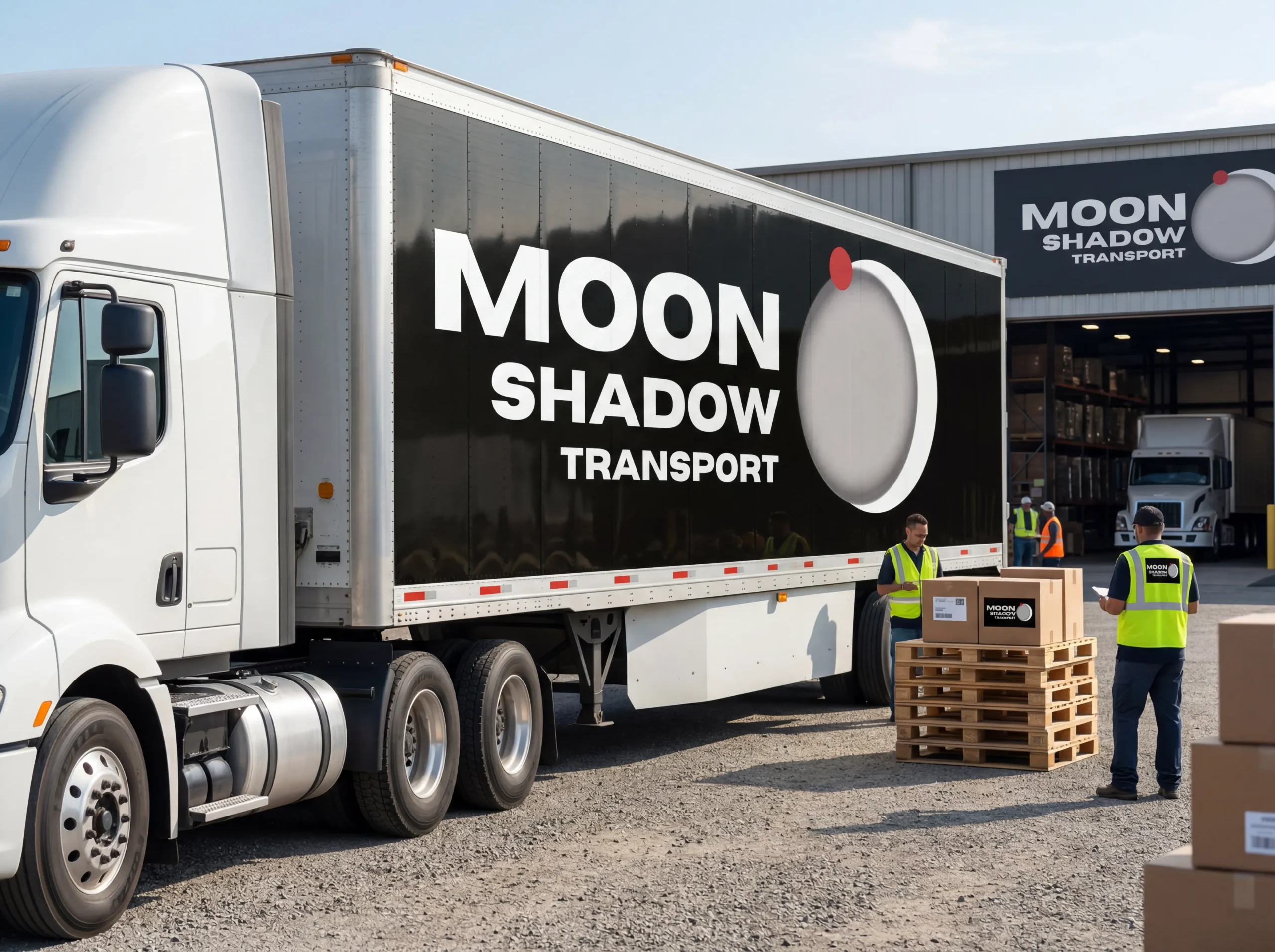
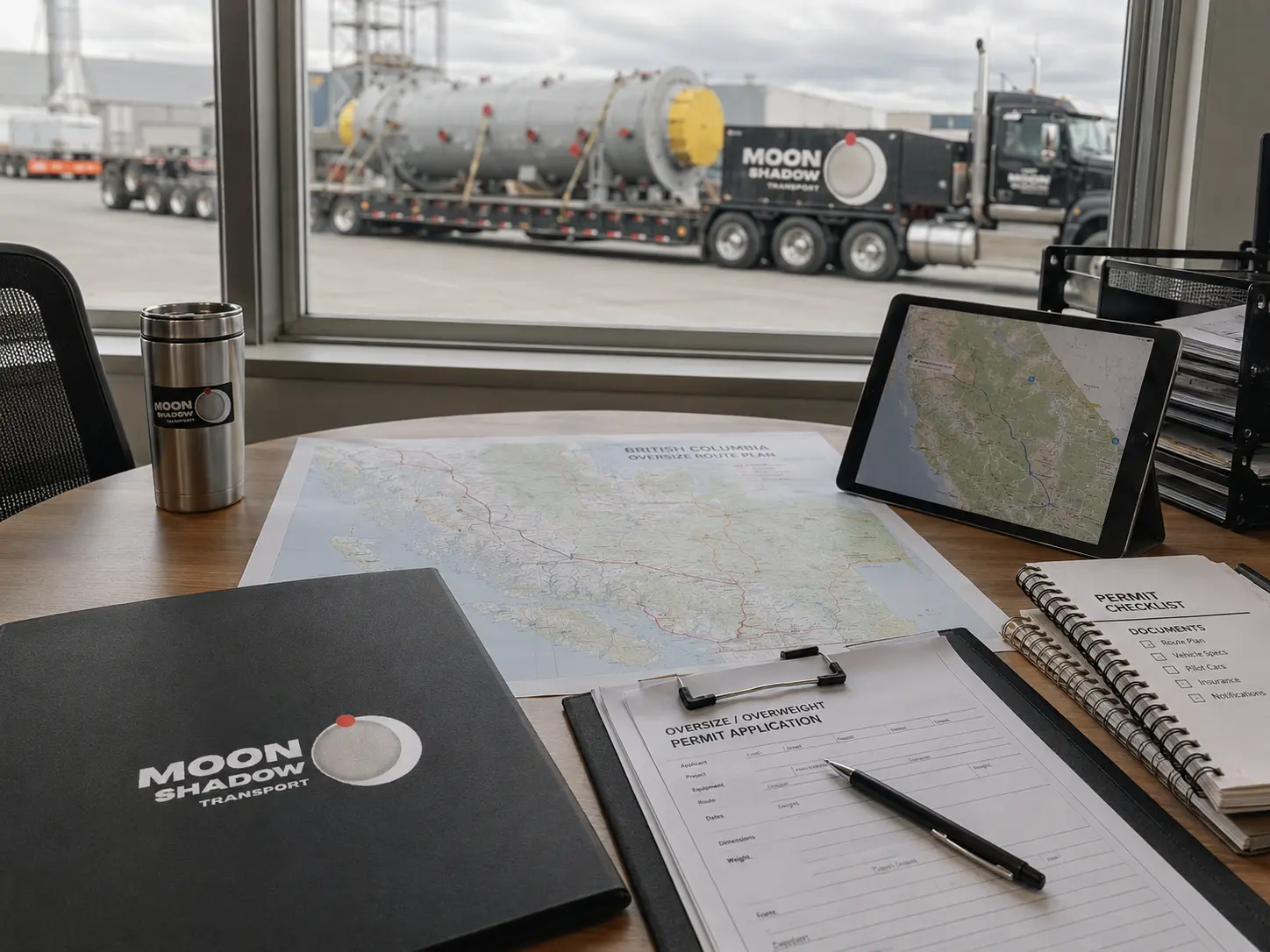
One of the most critical aspects of Heavy Haul Trucking BC & Canada is ensuring that oversized and overweight freight can move safely and legally across transportation networks. Unlike standard freight shipments, heavy haul loads require extensive planning, regulatory approvals, and ongoing coordination before transportation can begin.
Proper route planning and compliance management help minimize risk while protecting public infrastructure and maintaining transportation efficiency.
Oversize Load Permits in Canada
Most oversized load transport BC projects require special permits issued by provincial transportation authorities. Permit requirements vary depending on load dimensions, weight, route selection, and jurisdiction.
Permit load transportation processes often involve detailed reviews to ensure freight can safely travel on designated roadways and highways.
Provincial Transportation Regulations
Each province maintains its own regulations regarding oversized and overweight freight movement. Carriers operating across multiple jurisdictions must comply with varying permit requirements, operating restrictions, and transportation guidelines.
Heavy haul carrier Canada providers must remain current with changing regulations to maintain compliance throughout the transportation process.
Escort Vehicles and Safety Requirements
Many heavy haul shipments require escort vehicles to improve roadway safety and assist with traffic management. Depending on load dimensions and route conditions, front escorts, rear escorts, or police escorts may be necessary.
Escort vehicles help ensure safe movement through urban areas, construction zones, bridges, and other sensitive transportation corridors.
Planning Safe and Efficient Transport Routes
Route planning is one of the most important elements of heavy haul transportation Canada operations. Transportation teams evaluate bridge capacities, road widths, overhead clearances, infrastructure limitations, construction activity, and seasonal conditions before selecting a route.
Detailed planning helps reduce delays, improve safety, and ensure oversized freight reaches its destination successfully.
Challenges of Heavy Haul Trucking in BC and Canada
Heavy Haul Trucking BC & Canada involves significantly more complexity than conventional freight transportation. Oversized and overweight shipments must navigate physical, regulatory, and environmental challenges while maintaining safety and operational efficiency.
Successful transportation requires detailed planning, experienced personnel, and specialized logistics coordination.
Mountain Routes and Terrain Considerations
British Columbia is known for its mountainous terrain, steep grades, winding highways, and remote transportation corridors. These conditions create unique challenges for heavy haul transportation Canada operations, particularly when moving large equipment through mountain passes and resource development regions.
Route selection and equipment configuration become critical factors in maintaining safety and transport efficiency.
Weight Restrictions and Infrastructure Limits
Bridges, overpasses, highways, and municipal road networks all have structural limitations that must be considered during route planning. Heavy machinery hauling projects often require engineering reviews and infrastructure assessments before movement is approved.
Oversized load transport BC providers must ensure freight remains within approved route limitations to protect public infrastructure and comply with transportation regulations.
Seasonal Weather Conditions
Weather conditions can significantly impact heavy haul transportation throughout Canada. Snow, ice, flooding, heavy rainfall, high winds, and extreme temperatures may affect transportation schedules and route availability.
Long-distance heavy haul trucking operations often require contingency planning to manage seasonal transportation risks effectively.
Cross-Provincial Transportation Coordination
Many heavy haul projects involve moving freight across multiple provinces, each with different permit requirements and transportation regulations. Coordinating approvals, schedules, escorts, and compliance across jurisdictions adds complexity to project execution.
Heavy haul carrier Canada providers must maintain strong communication and planning processes to manage these multi-provincial transportation requirements successfully.
Choosing the Right Heavy Haul Trucking Partner
Selecting the right provider for Heavy Haul Trucking BC & Canada is one of the most important decisions in any oversized freight or specialized transportation project. Heavy haul movement is far more complex than standard freight shipping because it often involves oversized dimensions, excessive weight, specialized equipment, regulatory permits, route restrictions, and detailed safety planning.
A qualified provider of Heavy Haul Trucking BC & Canada must be able to manage every stage of the transportation process with precision. This includes assessing cargo specifications, selecting the correct trailer configuration, planning safe routes, securing permits, coordinating escort requirements when necessary, and maintaining communication throughout the shipment.
The experience and capability of the transportation partner can directly influence project timelines, cargo safety, regulatory compliance, and overall execution. For businesses moving heavy machinery, industrial equipment, construction components, or infrastructure materials, choosing the wrong carrier can result in delays, compliance issues, added costs, or operational disruption.
Because of this, businesses should evaluate providers of Heavy Haul Trucking BC & Canada carefully before committing to any oversized freight project.
Experience With Oversized Freight
Experience is one of the most important factors when choosing a provider for Heavy Haul Trucking BC & Canada. Oversized freight transportation requires specialized knowledge that goes well beyond conventional trucking operations. Carriers must understand how to manage load dimensions, weight distribution, route limitations, permit requirements, and safety regulations across different provinces and jurisdictions.
Experienced providers of Heavy Haul Trucking BC & Canada are better prepared to identify potential challenges before they affect the shipment. This may include bridge weight restrictions, road clearance limitations, sharp turning areas, construction zones, seasonal route conditions, or municipal transport restrictions.
A carrier with a strong background in oversized load transport BC projects will understand how to plan around these challenges and build practical solutions that keep freight moving safely and efficiently.
Businesses should look for heavy haul partners with proven experience handling cargo such as:
- Industrial machinery
- Construction equipment
- Oversized structural components
- Mining and resource-sector equipment
- Energy infrastructure components
- Agricultural machinery
- Heavy manufacturing equipment
A provider with deep experience in Heavy Haul Trucking BC & Canada can anticipate operational risks, recommend appropriate equipment, and coordinate complex transport requirements more effectively.
Fleet Capability and Specialized Equipment
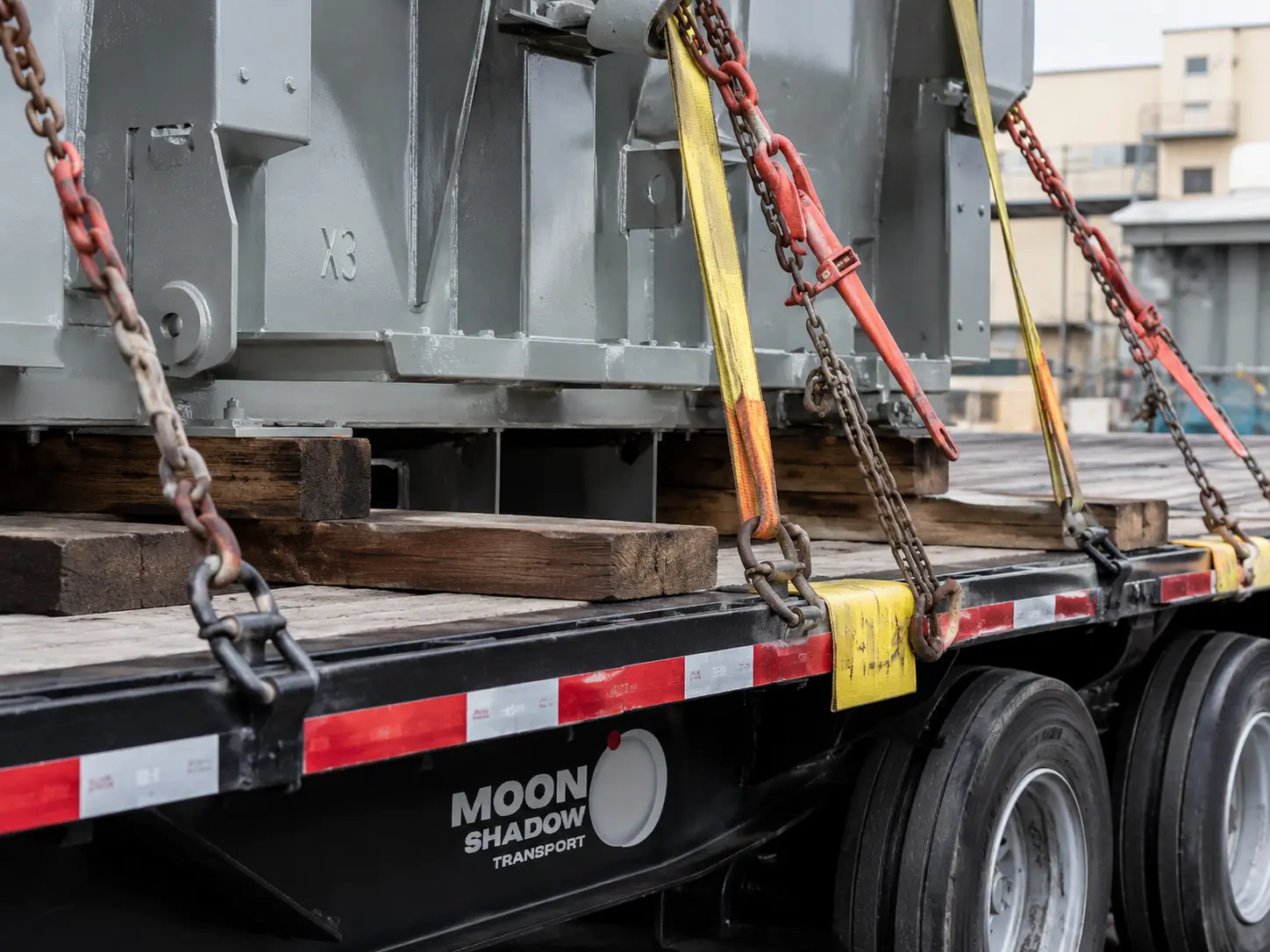
Fleet capability is another critical factor in selecting a reliable Heavy Haul Trucking BC & Canada partner. Not all carriers have the equipment required to transport oversized or overweight freight safely. Heavy haul projects often require specialized trailers, hauling systems, and load-bearing configurations designed for specific cargo dimensions and weight distribution.
Depending on the freight, Heavy Haul Trucking BC & Canada projects may require equipment such as:
- Lowboy trailers
- Step-deck trailers
- Extendable trailers
- Multi-axle configurations
- Hydraulic trailers
- Removable gooseneck trailers
- Specialized load securement systems
The right trailer selection directly affects safety, compliance, and transport efficiency. A professional provider of Heavy Haul Trucking BC & Canada will evaluate cargo weight, height, width, length, center of gravity, loading requirements, and delivery conditions before assigning equipment.
For heavy equipment transportation projects, proper equipment selection helps reduce risks during loading, transit, and unloading. It also ensures the shipment complies with provincial and national transportation regulations.
Businesses should confirm that the carrier has both the equipment and technical knowledge required to manage the specific load safely.
Safety and Compliance Standards
Safety is a fundamental requirement in Heavy Haul Trucking BC & Canada operations. Oversized and overweight freight can create significant risks if not handled correctly. Strong safety systems protect the cargo, the driver, public infrastructure, and everyone involved in the transportation process.
A professional provider of Heavy Haul Trucking BC & Canada should maintain strict safety standards, including driver training, equipment inspections, preventative maintenance programs, load securement procedures, and compliance with provincial and federal regulations.
Compliance is especially important because heavy haul shipments often require special permits and route approvals. Depending on the cargo and destination, carriers may need to coordinate with regulatory authorities, municipalities, and transportation agencies to ensure the shipment is legally approved to travel.
Strong compliance systems help reduce risks such as:
- Permit violations
- Route restrictions
- Safety incidents
- Equipment failure
- Delivery delays
- Infrastructure damage
- Unexpected fines or penalties
A reliable Heavy Haul Trucking BC & Canada provider will approach safety as a central part of the project, not as a secondary detail.
Project Management and Communication
Large transportation projects often involve multiple stakeholders, strict schedules, and complex logistics requirements. A strong provider of Heavy Haul Trucking BC & Canada must be able to manage communication clearly across every stage of the shipment.
Project management may involve coordinating with:
- Shippers
- Receivers
- Site managers
- Permit authorities
- Escort vehicle teams
- Dispatch teams
- Equipment operators
- Construction or industrial project managers
Effective communication ensures that everyone involved understands timing, route plans, loading conditions, delivery requirements, and potential risks. This is especially important for heavy haul projects where delays or miscommunication can create significant operational consequences.
Experienced providers of Heavy Haul Trucking BC & Canada maintain communication throughout the entire transportation process, from initial planning to final delivery. This helps businesses stay informed, reduce uncertainty, and coordinate internal operations more effectively.
A carrier that provides clear updates, realistic timelines, and proactive issue management can make heavy haul projects significantly more efficient and less stressful.
Heavy Haul Transportation for Time-Sensitive Projects
Many Heavy Haul Trucking BC & Canada projects operate under strict timelines where transportation delays can affect construction schedules, industrial production, infrastructure development, or major installation projects. In these situations, efficient planning and precise execution become essential.
Heavy haul transportation is often connected to larger project timelines. If a critical machine, structural component, or piece of equipment arrives late, the delay can impact multiple teams, increase costs, and slow down project progress.
A professional provider of Heavy Haul Trucking BC & Canada helps businesses maintain project momentum by coordinating routes, permits, equipment, and delivery schedules with a high level of accuracy.
Construction Deadlines
Construction projects often depend on the timely arrival of heavy equipment, structural materials, and oversized components. Cranes, excavators, loaders, steel structures, bridge sections, and other large materials must often arrive according to specific project phases.
Delays in Heavy Haul Trucking BC & Canada can affect labor scheduling, site preparation, equipment availability, and project completion timelines.
Heavy equipment transportation providers coordinate route planning, permit approval, trailer selection, and delivery timing to help construction teams stay on schedule. For projects in British Columbia, this may involve planning around mountain routes, urban access restrictions, ferry schedules, and regional infrastructure limitations.
A dependable Heavy Haul Trucking BC & Canada partner ensures that construction freight arrives safely and at the right stage of the project.
Industrial Shutdowns and Installations
Manufacturing facilities, processing plants, and industrial operations often schedule equipment upgrades, replacements, and maintenance shutdowns within limited time windows. These projects require careful coordination because every delay can increase downtime and operational costs.
Heavy Haul Trucking BC & Canada plays a critical role in these situations by ensuring large machinery, replacement equipment, and industrial components arrive according to the planned installation schedule.
Industrial shutdown projects may involve transporting:
- Production machinery
- Processing equipment
- Replacement systems
- Heavy mechanical components
- Large tanks or vessels
- Specialized industrial tools
Because these shipments are time-sensitive, providers of Heavy Haul Trucking BC & Canada must coordinate every detail in advance. This includes route planning, permit processing, delivery timing, unloading coordination, and communication with site teams.
Reliable execution helps businesses reduce downtime and return operations to normal as quickly as possible.
Infrastructure and Energy Projects
Infrastructure and energy-sector projects often involve transporting large, high-value, or technically complex components. These may include transformers, turbines, generators, bridge sections, modular units, processing equipment, and heavy energy infrastructure.
These projects typically involve strict completion deadlines and require detailed logistics planning. Heavy Haul Trucking BC & Canada providers support these initiatives by managing specialized transport requirements, regulatory approvals, equipment selection, and coordinated delivery execution.
Energy and infrastructure projects may also involve remote destinations, difficult access roads, or route restrictions that require careful evaluation before transport begins.
A professional Heavy Haul Trucking BC & Canada provider helps reduce transportation risk by building a detailed movement plan that accounts for cargo dimensions, route conditions, site access, safety requirements, and delivery timing.
By combining specialized equipment, experienced drivers, regulatory knowledge, and strong project communication, heavy haul providers support successful delivery for some of the most demanding freight projects across British Columbia and Canada.
Choosing an experienced provider for Heavy Haul Trucking BC & Canada is essential for businesses managing oversized, overweight, or specialized cargo. The right transportation partner brings together planning expertise, fleet capability, compliance knowledge, safety discipline, and project communication.
For construction projects, industrial shutdowns, infrastructure development, energy operations, and large-scale freight movement, professional Heavy Haul Trucking BC & Canada services help ensure cargo moves safely, efficiently, and according to project requirements.
Request Heavy Haul Trucking Support in BC & Canada
Businesses managing oversized, overweight, or project-critical freight require transportation partners with the expertise and equipment necessary to execute complex shipments successfully. Professional Heavy Haul Trucking BC & Canada services provide the planning, compliance management, and specialized hauling capabilities needed to move freight safely and efficiently.
When Businesses Need Heavy Haul Services
Heavy haul transportation becomes necessary when freight exceeds legal transportation limits or requires specialized equipment. Construction equipment transport, industrial machinery relocation, project cargo transportation, and infrastructure freight are common examples.
Organizations often engage heavy haul providers during major expansions, facility upgrades, resource development projects, and large-scale industrial operations.
Information Required for Accurate Transport Planning
Effective transportation planning begins with detailed freight information. Load dimensions, weight, pickup and delivery locations, project timelines, and any site-specific requirements help transportation teams determine equipment needs and route feasibility.
Providing complete information supports accurate planning and efficient project execution.
Coordinating Complex Freight Projects Across Canada
Many oversized freight projects involve multiple jurisdictions, transportation authorities, contractors, and project stakeholders. Coordinating these moving parts requires experience, communication, and strong logistics management.
Heavy haul carrier Canada providers help simplify these complex transportation projects while maintaining compliance and delivery performance.
Frequently Asked Questions (FAQs)
What is heavy haul trucking?
Heavy haul trucking refers to the transportation of freight that exceeds standard legal size or weight limits and requires specialized equipment, permits, and route planning.
What types of freight require heavy haul transportation?
Common heavy haul cargo includes construction equipment, industrial machinery, mining equipment, transformers, generators, steel structures, and project cargo.
Do heavy haul shipments require special permits?
Yes. Oversized and overweight freight often requires provincial permits, route approvals, and in some cases escort vehicles depending on dimensions and weight.
What trailers are used for heavy haul trucking?
Heavy haul carriers commonly use lowboy trailers, double drop trailers, step decks, multi-axle trailers, and other specialized equipment based on load requirements.
How are heavy haul routes planned?
Routes are carefully evaluated based on bridge capacities, road restrictions, overhead clearances, permit requirements, and seasonal conditions to ensure safe transportation.
Can heavy haul freight be transported across multiple provinces?
Yes. Heavy haul trucking companies regularly coordinate multi-provincial transportation projects throughout British Columbia and across Canada.
What industries rely on heavy haul trucking services?
Construction, manufacturing, mining, oil and gas, energy, infrastructure development, forestry, and industrial sectors commonly depend on heavy haul transportation.
Heavy haul transportation requires more than specialized equipment—it demands precise planning, regulatory expertise, and dependable execution from start to finish.
Whether you’re moving construction equipment, industrial machinery, mining assets, or oversized project cargo, the right transportation partner can help ensure your freight reaches its destination safely, efficiently, and on schedule.
Connect with our team to discuss your heavy haul transportation requirements across British Columbia and Canada.
Conclusion
Heavy Haul Trucking BC & Canada provides the specialized transportation capabilities required to move oversized, overweight, and project-critical freight across some of the most challenging transportation environments in North America. Through advanced route planning, permit coordination, specialized equipment, and experienced project management, heavy haul carriers help businesses execute complex freight movements safely and efficiently.
From construction equipment transport and industrial machinery relocation to mining operations, infrastructure development, and energy projects, heavy haul transportation Canada services support critical industries that drive economic growth. By partnering with an experienced provider of Heavy Haul Trucking BC & Canada, businesses gain access to the expertise, equipment, and logistical support necessary to complete complex transportation projects successfully and on schedule.
source=>click



No comment