
Table of Contents
ToggleIntroduction
LTL carriers Canada businesses rely on provide flexible and cost-efficient freight solutions for shipments that do not require a full trailer. Less than truckload Canada shipping allows multiple businesses to share trailer space, making it an effective option for companies moving smaller or medium-sized freight volumes across regional and national routes.
Unlike full truckload shipping, shared freight shipping combines shipments from different customers into a single trailer. This model helps businesses reduce transportation costs while still maintaining reliable delivery schedules. LTL freight carriers coordinate routing, consolidation, and scheduling to ensure cargo moves efficiently through established freight networks.
LTL logistics services are widely used in industries such as retail distribution, manufacturing, wholesale supply, and industrial operations. Businesses that ship palletized goods, recurring inventory, or partial load freight often benefit from the flexibility and scalability offered by LTL shipping.
Because multiple shipments are consolidated into one transport route, careful coordination is essential. LTL carriers Canada providers use freight terminals, route optimization, and scheduling systems to maintain delivery efficiency while balancing shared cargo movement.
For organizations seeking flexible transportation without paying for unused trailer capacity, partnering with experienced providers of LTL carriers Canada services supports cost control, operational efficiency, and scalable freight management.
What LTL Carriers Do
LTL carriers Canada specialize in transporting shipments that do not require a full trailer. Instead of dedicating an entire truck to one customer, these carriers consolidate freight from multiple businesses into a shared transportation network. This system allows companies to move smaller shipment volumes efficiently while avoiding the cost of paying for unused trailer space.
For many businesses, LTL carriers Canada provide a practical and cost-effective shipping solution that balances affordability with reliable freight movement. By sharing trailer capacity among multiple shipments, businesses gain access to structured transportation networks without needing high-volume freight requirements.
This transportation model is especially valuable for companies managing recurring smaller shipments, regional distribution, inventory replenishment, or flexible delivery schedules across commercial supply chains.
Definition of LTL Carriers Canada
At its core, LTL carriers Canada manage less than truckload shipments by combining partial freight loads from different customers into a single trailer. These shipments are coordinated through organized freight networks designed to maximize trailer utilization while maintaining efficient transit schedules.
Unlike full truckload shipping where one shipment occupies the entire trailer, LTL carriers Canada allocate trailer space based on shipment size, weight, and destination. This shared freight model allows businesses to move commercial cargo without requiring dedicated transport capacity.
Freight handled by LTL carriers Canada is typically processed through regional terminals where shipments are sorted, consolidated, and routed toward their final destinations. These terminal networks allow carriers to coordinate multiple deliveries efficiently across regional and national transport corridors.
Shared freight shipping provides several operational advantages, including:
- Lower transportation costs
- Flexible shipment sizing
- Efficient trailer utilization
- Scalable freight movement
- Access to regional and national delivery networks
Because shipments are consolidated strategically, LTL carriers Canada help businesses maintain efficient cargo movement while reducing overall shipping expenses.
This transport model is commonly used for:
- Palletized retail inventory
- Manufacturing components
- Commercial supplies
- Industrial materials
- Warehouse replenishment freight
- Recurring regional shipments
Another important feature of LTL carriers Canada is operational flexibility. Businesses can ship smaller freight quantities more frequently instead of waiting to accumulate enough volume for a full trailer. This improves inventory flow and helps companies respond more effectively to changing operational demand.
Role of LTL Logistics Services in Commercial Shipping
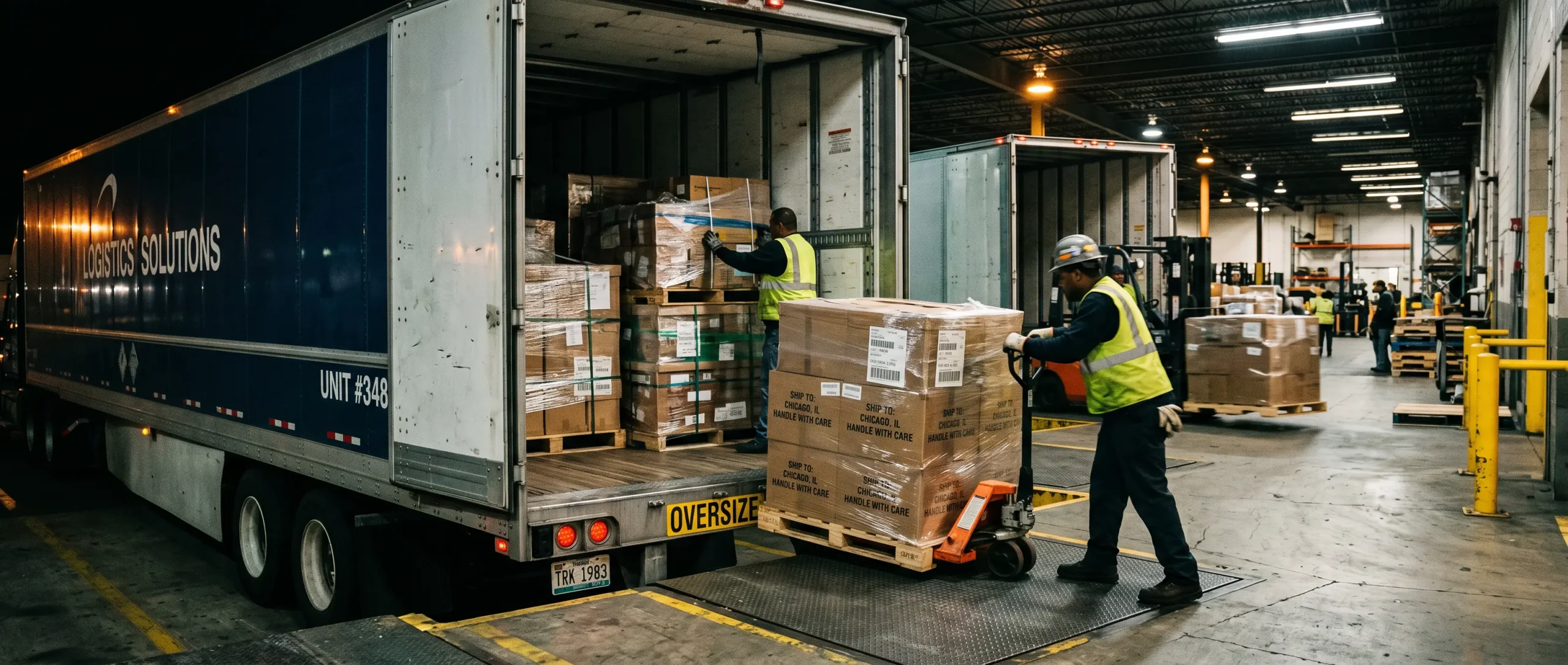
LTL logistics systems play a major role in supporting efficient freight coordination across modern commercial supply chains. LTL carriers Canada manage shipment consolidation, route optimization, terminal coordination, and delivery scheduling to ensure partial freight loads move efficiently across transport networks.
One of the key operational strengths of LTL carriers Canada is shipment consolidation. By grouping compatible freight together based on route and destination, carriers maximize trailer efficiency while minimizing unnecessary transport costs.
This consolidation process requires highly coordinated logistics systems that manage:
- Pickup scheduling
- Freight classification
- Terminal transfers
- Route planning
- Delivery sequencing
- Capacity allocation
Efficient route planning is another major responsibility handled by LTL carriers Canada. Since multiple shipments share transport space, routes must be carefully optimized to maintain delivery timelines while maximizing operational efficiency.
Terminal coordination also plays a critical role in less than truckload shipping. Freight moving through LTL carriers Canada networks may pass through multiple distribution terminals before reaching its destination. These transfer points require organized sorting systems, scheduling discipline, and continuous communication to prevent delays and maintain shipment accuracy.
Modern LTL carriers Canada also rely heavily on technology and shipment visibility systems. Tracking platforms, freight monitoring tools, and communication systems allow businesses to monitor shipment progress in real time and maintain operational visibility across all stages of transport.
This visibility improves supply chain coordination by allowing businesses to:
- Track delivery timelines
- Anticipate shipment arrivals
- Adjust inventory planning
- Respond to operational changes
- Improve customer communication
Another major advantage of LTL carriers Canada is scalability. Businesses experiencing fluctuating shipment volumes can use less than truckload shipping to adjust freight capacity more flexibly without committing to dedicated trailer space.
This makes LTL carriers Canada especially valuable for growing businesses, seasonal operations, and companies managing variable freight demand across regional or national distribution networks.
Industries commonly relying on LTL carriers Canada include:
- Retail distribution
- Manufacturing
- Warehousing and logistics
- E-commerce fulfillment
- Industrial supply chains
- Construction supply distribution
Because these industries frequently move recurring partial-load shipments, structured LTL networks provide the flexibility and efficiency needed to maintain stable freight operations.
As commercial supply chains continue evolving and businesses demand more cost-efficient freight solutions, LTL carriers Canada remain a critical component of modern transportation systems. By combining shipment consolidation, route optimization, operational visibility, and scalable freight coordination, LTL transport networks provide businesses with efficient and dependable cargo movement across Canada’s interconnected commercial markets.
How LTL Shipping Works in Canada
LTL carriers Canada operate through a structured shared freight model that combines multiple shipments into one coordinated transportation network. Instead of dedicating an entire trailer to a single customer, LTL carriers Canada maximize transport efficiency by consolidating partial freight loads from multiple businesses moving along similar routes and destination regions.
This system allows companies to move smaller freight volumes efficiently while sharing transportation costs with other shippers. For businesses that do not require full trailer capacity, LTL carriers Canada provide a flexible and cost-effective shipping solution that supports recurring freight movement, inventory replenishment, and regional distribution operations.
Modern less than truckload shipping relies heavily on coordinated logistics systems, freight consolidation strategies, and route optimization to maintain reliable delivery performance across regional and national freight corridors.
Process of Less Than Truckload Canada Shipping
The shipping process managed by LTL carriers Canada begins when freight shipments from different customers are collected and transported to regional freight terminals. At these facilities, shipments are sorted, classified, and consolidated according to destination regions, transport lanes, delivery schedules, and routing efficiency.
Unlike dedicated truckload shipping where one trailer serves a single shipment, LTL carriers Canada organize multiple partial-load shipments together within one transport system. This coordinated consolidation process allows businesses to access efficient freight movement without paying for unused trailer space.
At freight terminals, cargo is grouped strategically based on factors such as:
- Delivery destination
- Route compatibility
- Shipment size and weight
- Freight classification
- Delivery timelines
- Regional transport corridors
Once consolidation is complete, freight moves through scheduled transportation lanes operated by LTL carriers Canada until it reaches the terminal closest to the final delivery destination.
At the destination terminal, shipments are separated, organized for local delivery, and dispatched to their final locations. Throughout this process, logistics coordination systems help maintain shipment visibility and delivery accuracy across every stage of transport.
Because less than truckload shipping often involves multiple freight hubs and transfer points, LTL carriers Canada rely heavily on structured scheduling systems and operational coordination to maintain efficient cargo flow and minimize delays.
How Shared Freight Shipping Improves Efficiency

One of the primary advantages of LTL carriers Canada is improved transportation efficiency through shared trailer utilization. Instead of moving partially empty trailers across freight corridors, carriers consolidate multiple shipments together to maximize available trailer space.
This shared freight approach creates several operational and financial benefits for businesses using LTL carriers Canada:
- Lower transportation costs
- More efficient trailer usage
- Reduced fuel waste
- Flexible shipment sizing
- Improved route efficiency
- Scalable freight capacity
Businesses using LTL carriers Canada only pay for the portion of trailer space their shipment occupies. This makes less than truckload shipping particularly cost-effective for businesses moving smaller or recurring freight volumes that do not justify dedicated full trailer capacity.
Shared freight shipping also improves operational flexibility. Companies can ship freight more frequently in smaller quantities instead of waiting to accumulate enough cargo for a full truckload shipment.
This helps businesses improve:
- Inventory flow
- Warehouse efficiency
- Product replenishment cycles
- Regional distribution responsiveness
- Supply chain adaptability
Another important efficiency advantage of LTL carriers Canada is optimized routing. By coordinating multiple shipments within one transport network, carriers reduce unnecessary empty miles and improve overall freight movement efficiency across commercial corridors.
These efficiencies become especially valuable for businesses operating within regional supply chains, recurring distribution networks, or multi-location inventory systems.
Freight Consolidation and Route Coordination
Freight consolidation is the operational foundation of how LTL carriers Canada function efficiently. Consolidation allows carriers to combine compatible shipments together strategically in order to maximize transport capacity while maintaining organized delivery schedules.
This process requires sophisticated logistics coordination systems capable of managing large freight volumes moving simultaneously across interconnected regional and national transport networks.
LTL carriers Canada coordinate freight consolidation through:
- Regional freight hubs
- Scheduled transport lanes
- Route optimization systems
- Terminal transfer coordination
- Shipment classification systems
- Delivery sequencing platforms
Route coordination plays an equally important role in maintaining efficient less than truckload operations. Since multiple shipments share trailer capacity, routing decisions must balance delivery efficiency, transit time, terminal flow, and operational cost management.
Providers of LTL carriers Canada services use optimized scheduling systems and established freight corridors to ensure shipments move smoothly between terminals while maintaining reliable delivery timelines.
Regional freight hubs help streamline this process by serving as centralized coordination points where cargo can be sorted, transferred, and routed efficiently toward final destinations.
Technology also strengthens freight consolidation and coordination systems used by LTL carriers Canada. Modern logistics platforms provide:
- Real-time shipment tracking
- Terminal visibility
- Route monitoring
- Delivery forecasting
- Dispatch coordination
- Freight status communication
These systems improve shipment transparency and allow businesses to maintain greater operational visibility throughout the transportation process.
As supply chains continue evolving and businesses seek more cost-efficient shipping models, LTL carriers Canada remain a critical component of modern freight logistics. Through freight consolidation, route optimization, scalable transport capacity, and coordinated scheduling systems, LTL shipping networks provide businesses with efficient and reliable freight movement across Canada’s interconnected commercial markets.
Benefits of Using LTL Carriers
LTL carriers Canada provide businesses with flexible shipping capacity, lower transportation costs, and scalable freight solutions that support efficient commercial cargo movement across regional and national transport networks. For companies that do not require a full trailer for every shipment, less than truckload shipping offers a practical alternative to dedicated full truckload transport while maintaining structured delivery coordination and operational reliability.
As supply chains become more dynamic and businesses increasingly manage fluctuating shipment volumes, LTL carriers Canada help organizations maintain efficient freight movement without committing to unnecessary transport capacity. By consolidating multiple shipments into shared trailer networks, businesses gain access to professional freight transportation systems while controlling operational costs and improving logistics flexibility.
These advantages make LTL carriers Canada an important part of modern commercial shipping operations, particularly for businesses handling recurring palletized freight, regional distribution, inventory replenishment, and scalable cargo movement.
Cost Savings Through Partial Load Freight
One of the most significant benefits of working with LTL carriers Canada is transportation cost efficiency. Instead of paying for an entire trailer regardless of shipment size, businesses only pay for the portion of trailer space their freight actually occupies.
This shared freight structure allows LTL carriers Canada to distribute transportation costs across multiple customers while maintaining organized freight movement throughout regional and national transport networks.
For businesses shipping smaller freight volumes, this creates substantial operational savings compared to dedicated full truckload shipping.
Partial load freight managed by LTL carriers Canada helps reduce expenses associated with:
- Unused trailer space
- Fuel consumption
- Transportation overhead
- Empty mileage
- Equipment underutilization
- Inefficient freight consolidation
Because freight from multiple businesses is strategically combined into one transport system, LTL carriers Canada maximize trailer utilization and improve overall transport efficiency.
This cost structure is especially beneficial for businesses that:
- Ship recurring small-to-medium freight volumes
- Manage palletized commercial shipments
- Operate regional distribution systems
- Require flexible shipment frequency
- Need scalable transport without full trailer commitments
Another financial advantage of using LTL carriers Canada is operational flexibility. Businesses can ship freight more frequently in smaller quantities instead of waiting until enough cargo accumulates to justify a dedicated truckload shipment.
This improves inventory flow while helping businesses avoid warehousing inefficiencies and unnecessary inventory buildup.

Flexible Shipping Capacity for Businesses
Flexibility is another major operational advantage provided by LTL carriers Canada. Modern supply chains often experience changing shipment demand, seasonal fluctuations, and varying inventory requirements that make fixed transportation capacity difficult to manage efficiently.
LTL carriers Canada allow businesses to scale freight movement according to actual operational demand without investing in dedicated transport infrastructure or full trailer capacity.
This flexibility is particularly valuable for businesses experiencing:
- Seasonal shipment increases
- Fluctuating inventory movement
- Regional distribution growth
- Variable order volumes
- Expanding customer networks
- Evolving supply chain requirements
By using LTL carriers Canada, companies gain access to scalable freight systems capable of adapting to changing operational conditions while maintaining delivery reliability.
Another important benefit is reduced logistics complexity. Businesses do not need to coordinate full trailer utilization or manage underused transport capacity internally. Instead, LTL carriers Canada integrate shipments into existing freight networks optimized for efficient cargo consolidation and delivery coordination.
This allows organizations to maintain transportation flexibility while focusing more heavily on inventory management, sales operations, production planning, and customer service activities.
Technology also strengthens the flexibility offered by LTL carriers Canada. Tracking systems, scheduling platforms, and communication tools provide shipment visibility and operational coordination throughout the transport process.
Businesses can monitor shipment progress, adjust freight planning when needed, and maintain greater logistics oversight without increasing internal transportation management complexity.
Advantages of LTL Freight Carriers for Recurring Shipments
Businesses managing recurring palletized freight operations often benefit significantly from the scheduling consistency and route efficiency offered by LTL carriers Canada.
Recurring shipments require stable delivery cycles, predictable transit performance, and coordinated freight movement across regional and national supply chains. Structured less than truckload networks allow LTL carriers Canada to maintain organized shipment schedules while supporting ongoing commercial distribution activity.
Shared freight systems help businesses improve:
- Inventory replenishment timing
- Warehouse coordination
- Product distribution cycles
- Regional delivery consistency
- Operational forecasting accuracy
Because LTL carriers Canada operate through scheduled freight lanes and coordinated terminal networks, businesses gain access to reliable transport systems designed around recurring shipment movement.
This consistency becomes especially valuable for industries such as:
- Retail distribution
- Manufacturing
- Warehousing and logistics
- Industrial supply chains
- E-commerce fulfillment
- Commercial product distribution
Another important operational benefit is improved inventory management. Businesses using LTL carriers Canada can maintain smaller, more frequent shipment cycles instead of relying on infrequent large-volume transport movements.
This allows organizations to improve supply chain responsiveness while reducing inventory holding costs and warehouse storage inefficiencies.
Route efficiency also contributes to overall supply chain performance. Since LTL carriers Canada optimize routes across multiple shipments and delivery regions, freight movement becomes more organized and operationally predictable.
Modern logistics technology further strengthens recurring shipment coordination. Real-time shipment tracking, freight visibility platforms, and scheduling systems help businesses maintain tighter operational control while improving communication throughout the transportation process.
As businesses continue seeking more flexible, scalable, and cost-efficient freight solutions, LTL carriers Canada remain a critical part of commercial logistics operations. Through freight consolidation, scalable transport capacity, recurring route coordination, and efficient shipment management, LTL shipping systems provide businesses with reliable freight movement while supporting long-term operational efficiency and supply chain stability.
Request LTL Freight Services
Engaging professional LTL carriers Canada providers begins with accurate shipment planning, detailed freight information, and clear operational requirements. Because less than truckload shipping relies on shared freight coordination and optimized trailer utilization, providing complete shipment details in advance allows transport providers to plan routes more efficiently, allocate space accurately, and maintain predictable delivery schedules.
Businesses that prepare freight information early often benefit from stronger shipment coordination, improved pricing stability, and more consistent delivery performance across regional and national transport networks. In modern logistics environments where flexibility and cost control are increasingly important, organized freight planning helps maintain efficient cargo movement while reducing operational disruptions.
Structured freight coordination systems used by LTL carriers Canada support scalable and cost-effective transportation across shared freight networks. By combining shipment consolidation, route optimization, and scheduling coordination, less than truckload transport allows businesses to move partial freight efficiently without requiring full trailer capacity.
Cross-Border Trucking That Feels Human — Not Automated
Let’s keep it simple:
You might also like…
When Businesses Should Engage LTL Providers
Businesses should consider working with LTL carriers Canada when shipment volumes are too large for parcel delivery but do not require a dedicated full trailer. This shipping model is particularly effective for organizations moving palletized goods, recurring inventory shipments, commercial products, or moderate freight volumes across regional and national routes.
Instead of paying for unused trailer capacity, companies using LTL carriers Canada only pay for the portion of trailer space their freight occupies. This makes less than truckload shipping highly cost-efficient for businesses managing partial-load freight operations.
Many industries rely heavily on LTL carriers Canada because their freight movement patterns involve recurring but moderate shipment volumes. These industries commonly include:
- Retail distribution
- Manufacturing supply chains
- Warehousing and logistics operations
- Industrial supply distribution
- E-commerce fulfillment
- Commercial inventory replenishment
Shared freight systems operated by LTL carriers Canada also provide operational flexibility for businesses experiencing fluctuating shipment demand or variable delivery schedules. Companies can increase or reduce shipment frequency without needing to commit to fixed trailer capacity or large transport volumes.
Another important advantage is scalability. As businesses grow or expand into additional regional markets, LTL carriers Canada allow freight operations to scale gradually while maintaining delivery efficiency and transportation cost control.
Less than truckload shipping is especially useful for:
- Recurring palletized freight
- Regional inventory distribution
- Multi-location warehouse replenishment
- Smaller commercial freight shipments
- Frequent low-volume deliveries
- Flexible supply chain operations
Because these freight systems are already structured around shared transport coordination, businesses gain access to organized logistics infrastructure without building large-scale transportation operations internally.
Information Required for Accurate LTL Freight Quotes
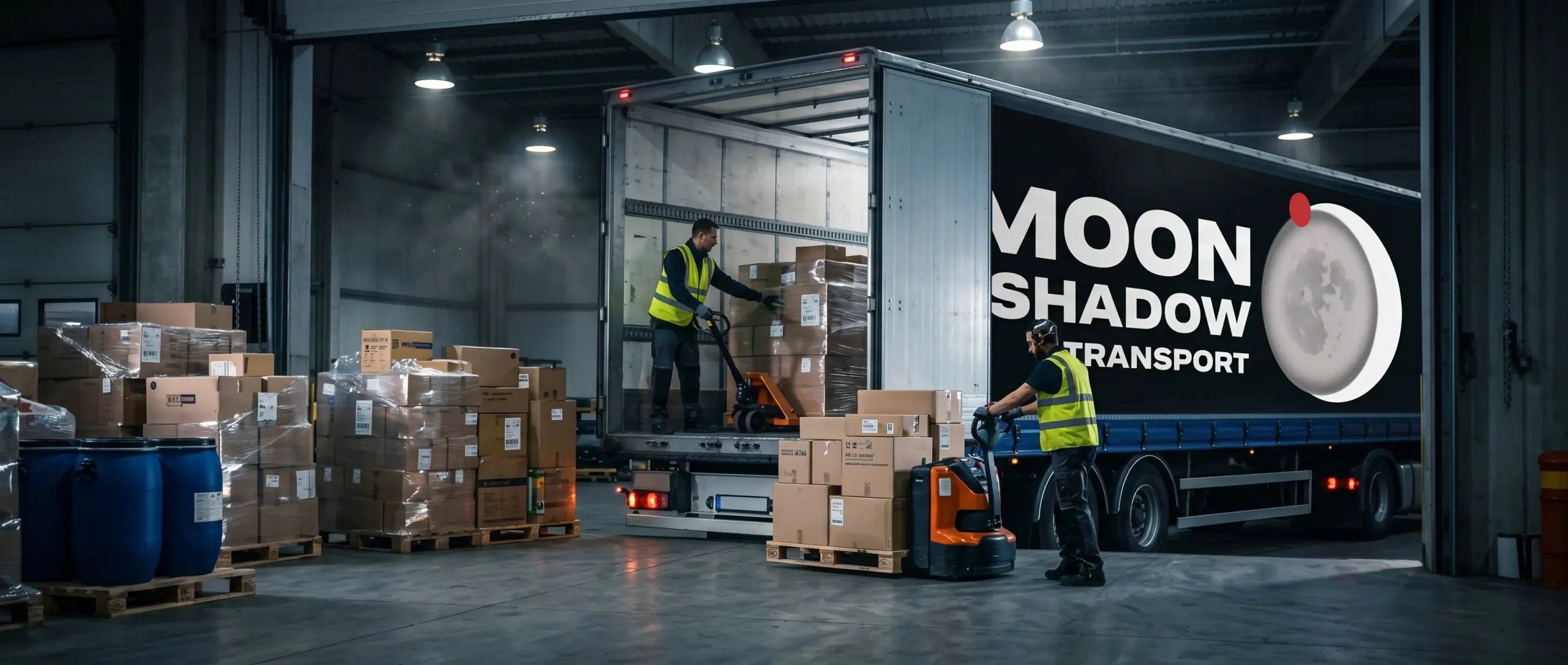
Accurate shipment information is essential for efficient planning within LTL carriers Canada networks. Since less than truckload freight depends on shared trailer coordination and optimized route planning, logistics providers require complete operational details in order to allocate freight efficiently and maintain reliable delivery schedules.
To generate accurate freight quotes and coordinated transport plans, LTL carriers Canada providers typically require:
- Cargo dimensions and weight
- Freight classification
- Pickup and delivery locations
- Shipment frequency and volume
- Delivery timelines
- Packaging type and pallet count
- Special handling requirements
- Liftgate or residential delivery needs
Freight classification is especially important within LTL carriers Canada operations because pricing structures are often based on shipment density, handling requirements, and cargo characteristics.
Providing accurate freight dimensions and weight allows logistics teams to optimize trailer space, improve route efficiency, and coordinate shipment consolidation more effectively.
Additional service requirements may also affect operational planning within LTL carriers Canada networks. Services such as liftgate delivery, inside delivery, limited-access locations, or special cargo handling require additional scheduling coordination and resource allocation.
Detailed freight information also improves:
- Route optimization
- Shipment consolidation efficiency
- Scheduling precision
- Capacity planning
- Delivery consistency
- Pricing accuracy
When businesses provide incomplete or inaccurate shipment information, the risk of delays, route inefficiencies, reclassification charges, or operational disruptions increases significantly.
Well-organized freight planning helps LTL carriers Canada maintain efficient cargo movement while improving service reliability across shared freight networks.
Frequently Asked Questions (FAQs)
What are LTL carriers in Canada?
LTL carriers Canada are freight providers that transport smaller shipments by combining freight from multiple customers into one shared trailer network.
How does LTL shipping reduce costs?
Businesses using LTL carriers Canada only pay for the trailer space they use, allowing transportation costs to be shared across multiple shipments.
What types of freight are suitable for LTL carriers?
Palletized goods, recurring inventory shipments, partial-load freight, industrial products, and commercial cargo are commonly transported through LTL carriers Canada networks.
How are LTL shipments scheduled?
Shipments are consolidated through freight terminals and coordinated using scheduled regional and national transportation routes operated by LTL carriers Canada providers.
When should businesses use LTL shipping?
Businesses should use LTL carriers Canada when shipments exceed parcel shipping limits but do not require a full trailer for transport.
Flexible freight solutions are essential for businesses that need efficient transportation without paying for unused trailer capacity.
Whether you're managing recurring palletized shipments, regional inventory distribution, or scalable commercial freight movement, working with the right LTL logistics partner helps improve cost control, shipment visibility, and operational efficiency across every route.
Connect with our team to explore reliable LTL freight solutions tailored to your shipping needs.
Conclusion
LTL carriers Canada provide flexible, scalable, and cost-efficient freight solutions for businesses managing partial-load shipments across regional and national transport networks. Through shared freight coordination, optimized route planning, and structured logistics systems, businesses can maintain reliable cargo movement while reducing overall transportation costs.
By combining freight consolidation, scalable shipment capacity, scheduling coordination, and operational flexibility, LTL carriers Canada help organizations improve inventory flow, strengthen supply chain efficiency, and adapt more effectively to changing shipment demand.
For businesses seeking dependable and adaptable freight transportation, partnering with experienced providers of LTL carriers Canada services supports long-term operational efficiency, flexible logistics coordination, and scalable commercial growth across Canada’s evolving freight networks.






No comment