
Table of Contents
ToggleIntroduction
Hauling freight services are essential for businesses that need to move heavy, oversized, or high-volume cargo across local, regional, and national routes in Canada. From construction materials and industrial equipment to bulk commercial goods, freight hauling ensures that complex shipments reach their destination safely and on schedule.
In Canada’s vast and geographically diverse landscape, cargo hauling requires more than basic transportation. Mountain highways, long-distance corridors, seasonal weather conditions, and regulatory requirements all influence how freight is planned and executed. This is why many companies rely on experienced hauling company providers that specialize in heavy freight transport and structured commercial hauling services.
Freight hauling plays a critical role in industries such as construction, manufacturing, energy, agriculture, and large-scale distribution. These sectors depend on reliable cargo hauling to maintain production schedules, meet project deadlines, and support supply chain continuity. Without dependable hauling freight services, delays can lead to increased costs and operational disruptions.
Professional hauling services combine equipment capability, route planning, compliance oversight, and scheduling precision to manage complex shipments effectively. Businesses that work with experienced providers benefit from safer transport, improved delivery consistency, and better control over logistics performance.
For organizations handling heavy or specialized freight, choosing the right hauling freight services partner is a strategic decision that directly impacts efficiency, safety, and long-term operational success.
What Freight Hauling Involves
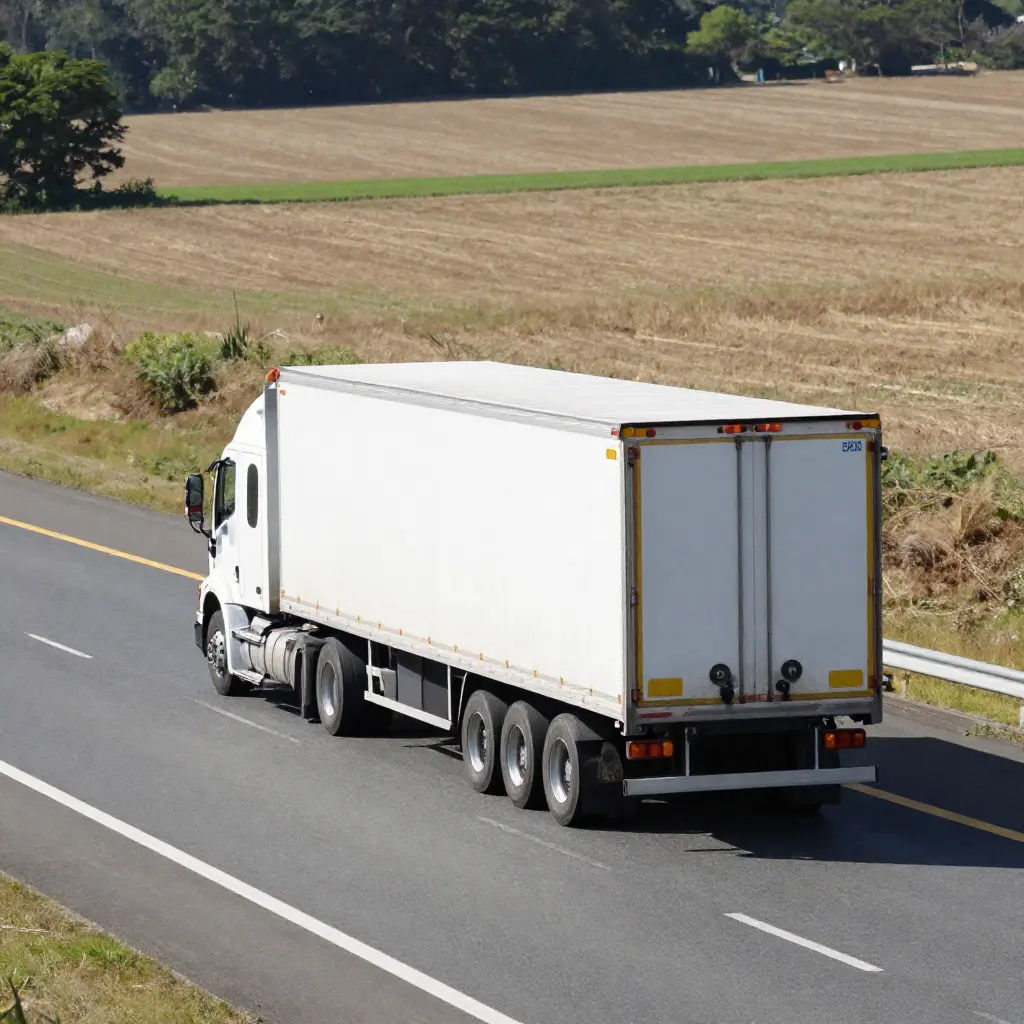
Hauling freight services involve the structured transport of heavy, oversized, or specialized cargo using equipment and operational processes designed for complex loads. Unlike standard freight transport, hauling freight services require advanced planning, precise load management, and strict compliance with safety and regulatory standards to ensure safe and efficient delivery.
Businesses that rely on hauling freight services often handle shipments that demand additional coordination, higher equipment capacity, and detailed route planning. These shipments may involve unique challenges such as weight restrictions, dimensional limits, or specific handling requirements that go beyond conventional transport methods. As a result, hauling freight services are built around control, safety, and predictability rather than speed alone.
Definition of Hauling Freight Services
Hauling freight services refer to the movement of large or heavy cargo that may exceed standard shipping dimensions or weight limits. A professional hauling freight services provider is equipped to manage these complex loads through specialized equipment, reinforced trailers, and structured planning systems.
Common examples handled through hauling freight services include industrial machinery, construction materials, bulk commodities, oversized components, and other specialized freight. These shipments often require careful preparation, including load balancing, secure fastening, and compliance with transport regulations before they can be moved safely.
Commercial hauling freight services are specifically designed to handle these demanding loads while maintaining delivery timelines across both regional and long-distance routes. By using reinforced trailers, proper securing techniques, and detailed route planning, hauling freight services ensure cargo integrity throughout transit.
Role of a Hauling Company in Cargo Transport
A company offering hauling freight services is responsible for managing every stage of the transport process. This includes selecting the correct equipment, securing the load properly, planning efficient routes, and ensuring compliance with all relevant transport regulations.
Because heavy freight transport often involves oversized or overweight cargo, hauling freight services may require specialized trailers such as flatbeds, lowboys, or extendable units. In many cases, permits and regulatory approvals are also necessary, especially when transporting across provinces, navigating restricted corridors, or passing through urban infrastructure with clearance limitations.
Experienced drivers are another critical component of hauling freight services. Operators must understand how to handle heavy loads, navigate challenging routes, and follow strict safety protocols under varying conditions such as traffic congestion, weather changes, or terrain limitations. A professional hauling freight services provider ensures that all personnel are properly trained and capable of managing complex transport scenarios.
Additionally, hauling freight services providers coordinate important logistics details such as escort vehicles, route restrictions, timing requirements, and compliance checks when needed. This level of planning helps reduce risk, prevent delays, and ensure that shipments move smoothly from origin to destination.
By overseeing every aspect of the process, hauling freight services providers deliver reliable, safe, and efficient transport solutions for businesses that depend on moving heavy or specialized cargo. This structured approach ensures that even the most complex shipments are handled with precision, consistency, and full regulatory compliance.
Types of Freight Suitable for Hauling
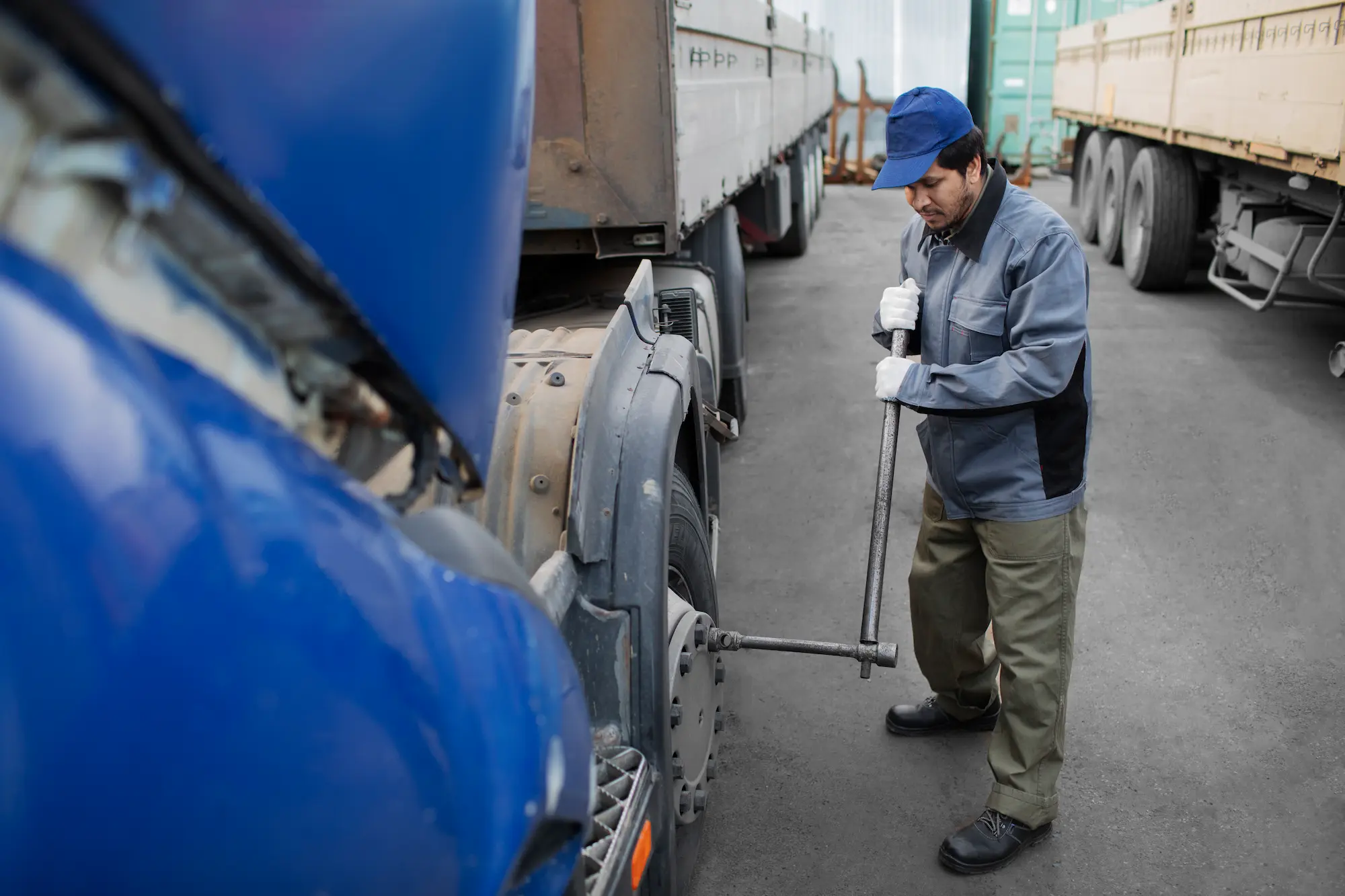
Freight that requires specialized transport typically falls outside the limits of standard shipping methods. These types of cargo demand stronger equipment, precise handling procedures, and detailed planning to ensure safe and efficient movement across different environments.
In many industries, transporting such cargo is not just about moving goods—it is about maintaining operational continuity. Delays, improper handling, or routing mistakes can lead to costly disruptions, safety risks, or project setbacks. For this reason, businesses must carefully evaluate the nature of their shipments and select transport solutions that are designed to handle complexity.
Cargo suitable for this type of transport usually shares several characteristics: it may be unusually heavy, oversized in one or more dimensions, sensitive to handling conditions, or dependent on strict delivery timelines. Each of these factors introduces additional requirements that go beyond conventional logistics processes.
Heavy Freight Transport and Oversized Cargo
Large-scale industrial cargo represents one of the most demanding categories in transportation. This includes machinery, manufacturing equipment, prefabricated structures, and components that exceed standard width, height, or weight limits.
Moving such cargo requires more than just strong vehicles. It involves careful engineering considerations, including load distribution, balance, and secure fastening techniques. Even minor miscalculations can affect transport safety or lead to regulatory violations.
In many cases, these shipments require specialized trailers such as lowboy trailers for heavy equipment, flatbeds for large components, or extendable trailers for oversized loads. Route planning becomes significantly more complex, as not all roads, bridges, or tunnels can accommodate these dimensions.
Transport teams must evaluate infrastructure limitations such as clearance heights, weight restrictions, and turning radiuses. They may also need to coordinate with local authorities to secure permits or arrange escort vehicles. This level of planning ensures that cargo moves safely while avoiding unnecessary delays or rerouting issues.
Industrial and Construction Materials
Construction and industrial sectors rely heavily on the consistent movement of large and heavy materials. Items such as steel beams, concrete panels, piping systems, and heavy-duty tools must be delivered on time to support ongoing operations.
In these industries, timing is critical. A delayed shipment can halt an entire construction phase, increase labor costs, or disrupt coordination between multiple teams working on-site. As a result, transportation must be closely aligned with project schedules and site readiness.
Another challenge in this category is delivery location. Construction sites often have limited access, uneven terrain, or strict time windows for unloading. Transport providers must plan not only the route but also the final delivery conditions, ensuring that vehicles can safely access the site and unload materials efficiently.
Proper securing of materials is also essential. Heavy or irregularly shaped items must be stabilized during transit to prevent movement, damage, or safety hazards. This requires experience, the right equipment, and strict adherence to load securement standards.
Bulk and Specialized Cargo
Bulk cargo introduces a different set of logistical challenges. This includes agricultural products, raw materials, and large-volume goods that are transported in significant quantities.
These shipments often require high-capacity transport solutions and efficient loading and unloading processes. In some cases, they may also involve specific environmental or handling requirements, such as protection from moisture, contamination control, or temperature considerations.
Specialized cargo may also include regulated or sensitive materials that must comply with strict guidelines. Transporting such goods requires careful documentation, adherence to safety standards, and trained personnel who understand the risks involved.
Flexibility is a key factor in handling this category. Transport providers must be able to adapt equipment, routing strategies, and operational processes based on the specific needs of each shipment. This adaptability ensures that a wide range of cargo types can be moved safely without compromising efficiency.
Freight Transport Services Designed for Business Efficiency
Let’s keep it simple:
You might also like
Regional and Long-Distance Transport Considerations
Transporting complex cargo across different distances introduces additional layers of planning. Short-distance movements within urban or regional areas require a strong understanding of local traffic patterns, infrastructure constraints, and delivery regulations.
In contrast, long-distance and interprovincial transport involves extended route planning, fuel management, driver scheduling, and compliance with multiple regulatory frameworks.
Canada’s geography adds further complexity. Mountain routes, remote industrial regions, and seasonal weather conditions can all impact transit performance. Transport providers must anticipate these variables and build contingency plans to maintain reliability.
Cross-Border Movement and Regulatory Complexity
When shipments cross international borders, the level of coordination increases significantly. Documentation must be accurate and complete, including cargo descriptions, permits, and compliance with customs regulations.
Timing is also critical. Delays at border crossings can disrupt entire supply chains, especially for time-sensitive shipments. Transport teams must align scheduling with border processing procedures and ensure that all regulatory requirements are met in advance.
Cross-border transport requires experience and attention to detail. Providers must understand both domestic and international regulations, as well as the operational differences between regions. Proper coordination reduces the risk of delays, inspections, or administrative issues.
Why This Type of Transport Matters
Transporting heavy, oversized, or specialized cargo is not just a logistical task—it is a critical component of many industries. From construction and manufacturing to agriculture and international trade, these shipments support essential economic activity.
A structured and well-managed transport process ensures that materials arrive safely, on time, and in the correct condition. It reduces operational risk, improves efficiency, and supports long-term business performance.
By understanding the unique requirements of different cargo types and applying disciplined planning, businesses can move even the most complex shipments with confidence and reliability.
Safety and Compliance in Freight Hauling
Hauling freight services depend on strict safety standards and regulatory compliance to move heavy and oversized cargo securely. Because freight hauling often involves high-value equipment, large loads, and complex routes, maintaining safety is essential for protecting both shipments and public infrastructure.
Professional hauling companies operate under disciplined procedures that reduce risk and ensure consistent performance.
Equipment Standards and Load Securement
Heavy freight transport requires specialized trailers, reinforced equipment, and proper load securement techniques. Cargo must be balanced and secured to prevent shifting during transit.
Commercial hauling services follow standardized load securement protocols to maintain stability and safety throughout the journey.
According to the Federal Motor Carrier Safety Administration, proper cargo securement is a critical requirement in heavy freight transport. Regulations emphasize that all loads must be firmly secured to prevent shifting, falling, or loss during transit, ensuring both roadway safety and cargo integrity. These standards are especially important for oversized and high-weight shipments that require specialized hauling equipment and advanced planning.
Regulatory Compliance and Driver Safety
Freight hauling is governed by provincial and federal regulations covering weight limits, permits, routing restrictions, and driver qualifications. A qualified hauling company ensures compliance with all applicable standards.
Driver training and certification are critical for operating heavy freight transport safely across varied terrain and conditions.
Risk Management in Heavy Freight Transport
Risk management includes route assessment, weather monitoring, and contingency planning. Hauling freight services anticipate potential challenges such as road restrictions, seasonal conditions, and infrastructure limitations.
Proactive planning reduces delays and protects both cargo and delivery timelines.
Schedule Hauling Services
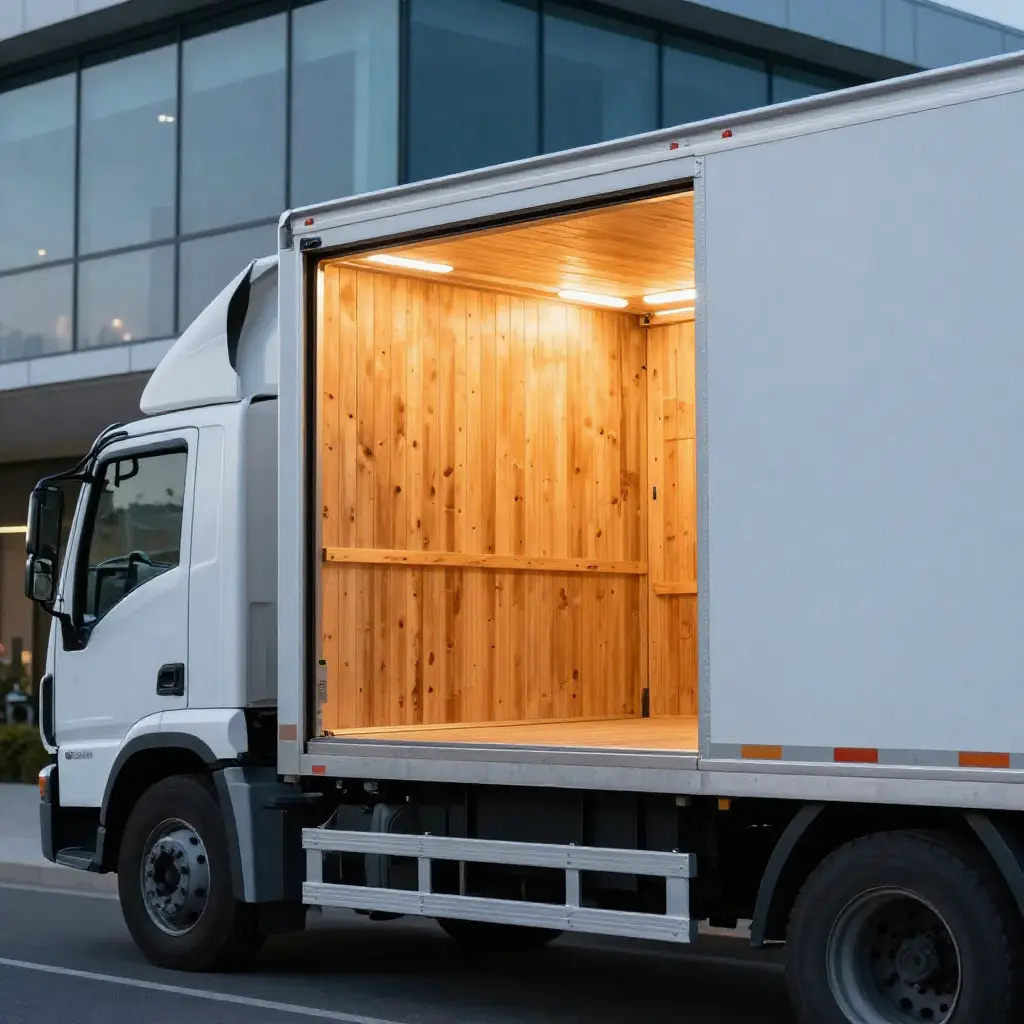
Engaging hauling freight services requires early planning and precise shipment details to ensure safe and efficient transport. Because cargo handled through hauling freight services often includes oversized loads, specialized equipment, and regulatory approvals, proactive coordination is essential for maintaining delivery timelines and avoiding operational disruptions.
Businesses that schedule hauling freight services in advance benefit from better route planning, faster permit processing, and improved equipment availability. Early coordination allows hauling freight services providers to evaluate route restrictions, assess load requirements, and integrate the shipment into structured transport schedules without last-minute complications.
When to Engage Commercial Hauling Services
Companies should request hauling freight services as soon as shipment specifications are confirmed. Early engagement with hauling freight services providers is especially important for heavy freight transport, project-based deliveries, and interprovincial shipments that require permits, escorts, or specialized routing.
A professional team offering hauling freight services can align scheduling with operational needs, ensuring that cargo is moved in sync with project timelines, site readiness, and delivery windows. By planning ahead, hauling freight services reduce the risk of delays caused by equipment shortages, route restrictions, or regulatory approvals.
In complex transport scenarios, early coordination with hauling freight services also allows for contingency planning—helping businesses adapt to unexpected challenges such as traffic disruptions, infrastructure limitations, or weather conditions.
Information Required for Accurate Hauling Quotes
Accurate pricing within hauling freight services depends on detailed and transparent shipment information. Key data includes cargo dimensions, total weight, freight type, pickup and delivery locations, and required timelines. This information enables hauling freight services providers to evaluate load requirements and determine the most efficient transport strategy.
Providing complete details allows hauling freight services teams to plan routes effectively, secure necessary permits, and allocate the correct equipment—such as flatbeds, lowboys, or extendable trailers. It also helps identify any additional requirements, such as escort vehicles or route restrictions, before the shipment begins.
Clear communication is critical when working with hauling freight services. When expectations are defined early, providers can execute shipments with greater accuracy, maintain scheduling discipline, and ensure cargo arrives safely and on time.
By engaging hauling freight services early and providing complete shipment details, businesses create a more reliable and efficient transport process. Structured planning, proper coordination, and professional execution ensure that even complex or oversized cargo moves smoothly across local, regional, and long-distance routes.
Frequently Asked Questions (FAQs)
What are hauling freight services?
Hauling freight services involve transporting heavy, oversized, or specialized cargo using equipment and operational processes designed for complex loads. These services focus on safe handling, proper load securement, and structured planning to ensure reliable delivery across different routes.
What types of cargo require hauling services?
Hauling freight services are commonly used for industrial equipment, construction materials, oversized machinery, bulk commodities, and other freight that exceeds standard transport limits. These shipments often require specialized trailers, permits, and careful coordination.
How is freight hauling priced?
Pricing for hauling freight services is based on multiple factors, including distance, cargo size and weight, equipment requirements, permits, route complexity, and any additional coordination such as escorts or special handling needs.
Are hauling services available for long-distance transport?
Yes. Many providers of hauling freight services offer regional, interprovincial, and cross-border transport solutions. These services are designed to handle long-distance movement while maintaining safety and scheduling consistency.
What safety standards apply to freight hauling?
Hauling freight services follow strict safety standards, including load securement protocols, equipment compliance, driver certification, and adherence to provincial and federal transport regulations. These measures ensure cargo is transported safely and efficiently.
Conclusion
Hauling freight services provide the specialized transport solutions required for moving heavy, oversized, and complex cargo across Canada. Through structured planning, advanced equipment, and strict safety compliance, hauling freight services ensure that challenging shipments are handled with precision and reliability.
For businesses managing industrial materials, construction loads, or bulk shipments, partnering with a professional hauling freight services provider is a strategic decision that enhances safety, improves efficiency, and supports long-term operational success.





No comment